

Alaska Cruise Ports
Glaciers, wildlife, and wilderness straight from the pier.
Alaska inverts the usual cruise logic. In most regions the ship is the point and the ports are the excursion; here the scenery between the ports is often the best part of the trip, and the single most valuable thing on the itinerary — a day cruising Glacier Bay, Hubbard Glacier or Tracy Arm — costs nothing extra and requires no booking at all. Ships spend hours holding position in front of a calving glacier while you watch from the rail.
The ports themselves are small and unusually walkable. Juneau, Skagway and Ketchikan all put you within a few blocks of the town centre, so the question is rarely how to reach anything and almost always whether a given excursion justifies its price. Alaska has the most expensive shore excursions in cruising: floatplanes, helicopter glacier landings and dog sledding run into the hundreds of dollars a head. Some are genuinely once-in-a-lifetime, others duplicate what you can see from the deck for free, and our port guides are blunt about which is which.
Weather is the wildcard and it drives everything. Southeast Alaska is temperate rainforest — Ketchikan averages over three metres of rain a year — so a grey, wet port day is the norm rather than bad luck. Flightseeing trips cancel routinely (usually with a refund), which is a strong argument for booking those early in your itinerary so a washout leaves you a second chance later in the week.
Choosing dates and a route? Alaska Cruises 2027: Season, Ports & Ships
When to sail
- Best months
- Late June through early August — the warmest weather, the longest daylight, peak salmon runs, and the best whale-watching odds.
- Shoulder season
- May and September are appreciably cheaper and less crowded, with drier weather in May and autumn colour plus northern-lights potential in September, at the cost of colder days and shorter light.
- When to think twice
- The season simply ends. Most ships stop sailing Alaska by late September and do not return until late April or May.
Getting around
Alaska's cruise ports are compact enough that walking covers most of what matters. Juneau runs a cheap shuttle and public bus to Mendenhall Glacier; Skagway's historic centre begins at the pier and the White Pass railway departs from it; Ketchikan's Creek Street is a short stroll from the dock. Car hire exists but is limited and books out well ahead. Note that Juneau, Skagway and Ketchikan are not connected to any road network beyond their own valleys — you cannot drive between them.
Money & language
Alaska is the United States: US dollars, US cards, English throughout, and US mobile plans work normally. Sales tax varies by borough and some towns add a seasonal levy. Tipping follows mainland US norms, and excursion guides — particularly on small-boat wildlife trips — expect it. Canadian ports on the same itineraries, chiefly Victoria and Vancouver, use Canadian dollars.
Typical Alaska itineraries
How the major cruise lines usually string these ports together.
Inside Passage round trip from Seattle
7 nightsJuneau · Skagway · Ketchikan · Victoria
Glacier Bay one-way, Vancouver to Seward
7 nightsJuneau · Skagway · Icy Strait Point · Glacier Bay (scenic cruising)
Extended voyage with a land tour
10–14 nightsAnchorage · Denali · Juneau · Ketchikan
All 10 Alaska port guides
Beaches, food, pier-to-town distances, and an honest verdict on the ship's excursions.
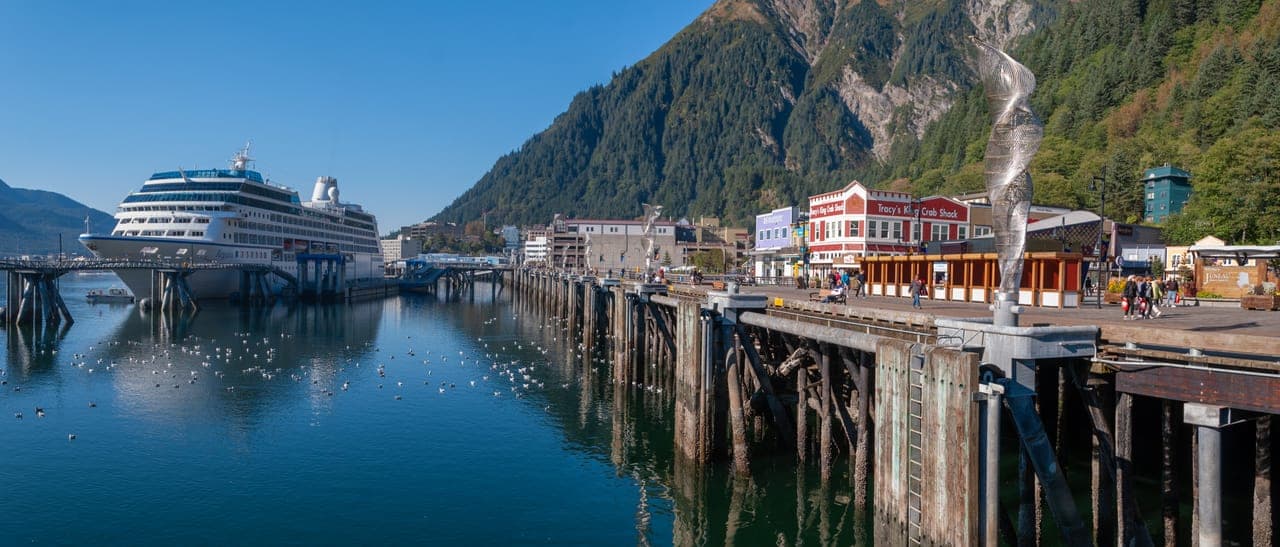
Juneau
Alaska's capital city — glaciers, bears, whale watching, and wilderness right from the pier.
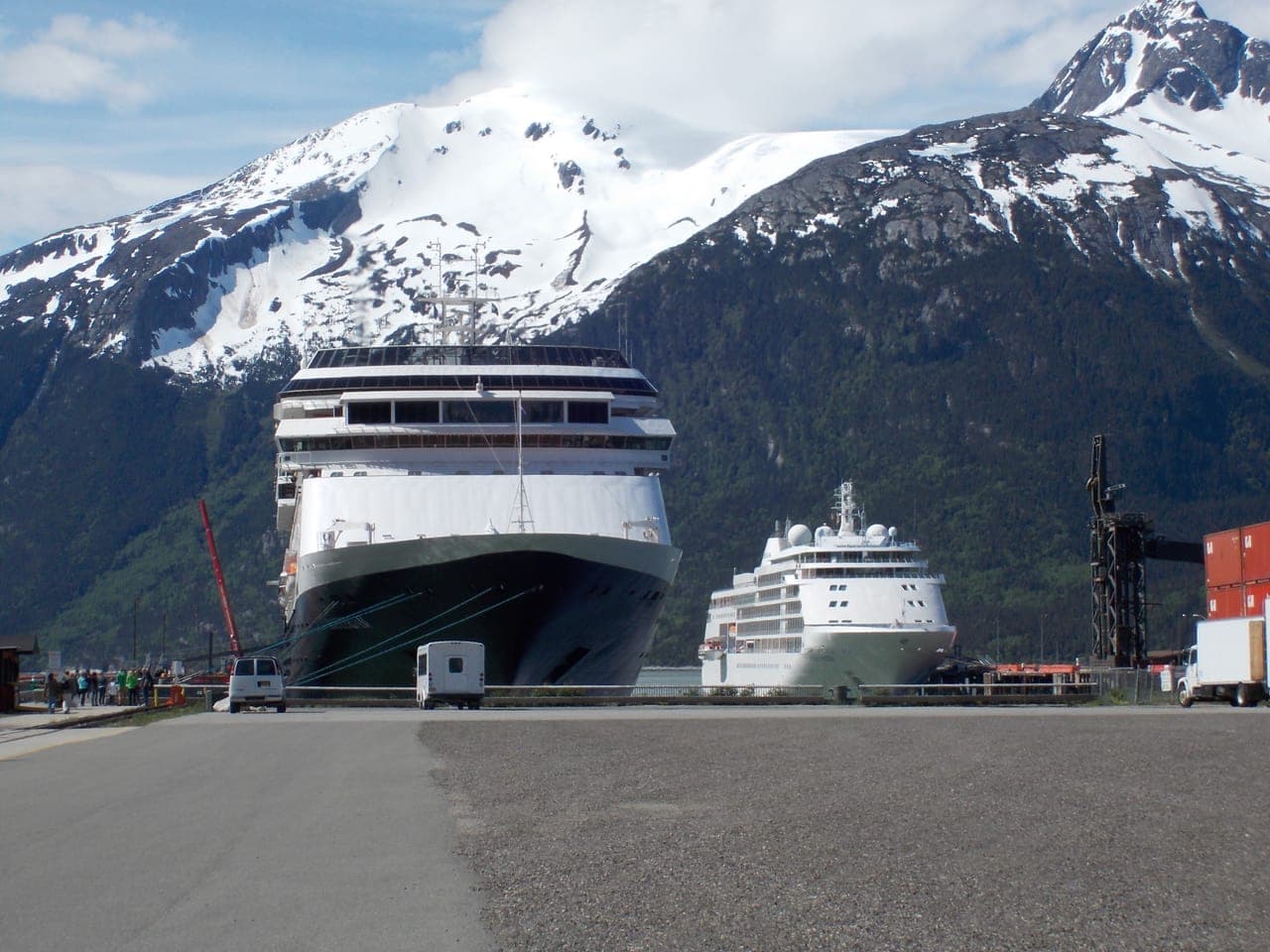
Skagway
A Gold Rush ghost town frozen in time — with some of the most spectacular train rides in North America.
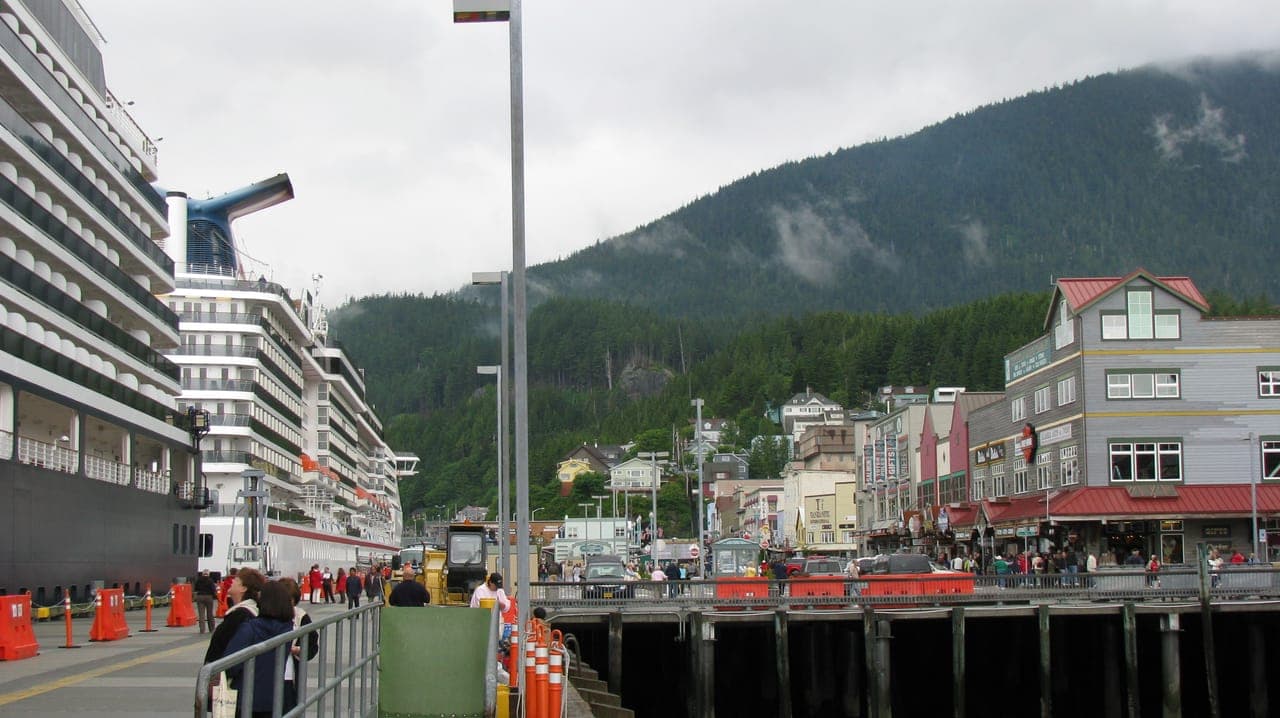
Ketchikan
The Salmon Capital of the World — totems, rainforest trails, and floatplanes over misty fjords.
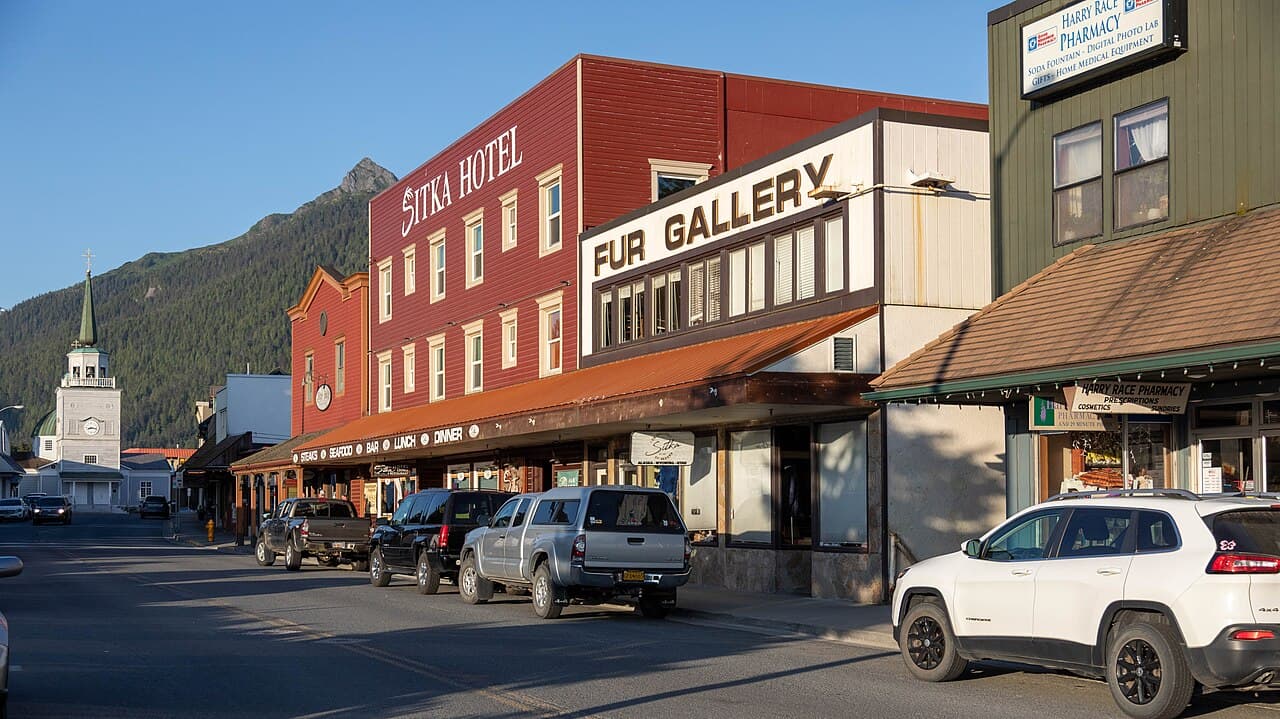
Sitka
Russian-America history, totem poles, and easy wildlife encounters on Alaska's outer coast.
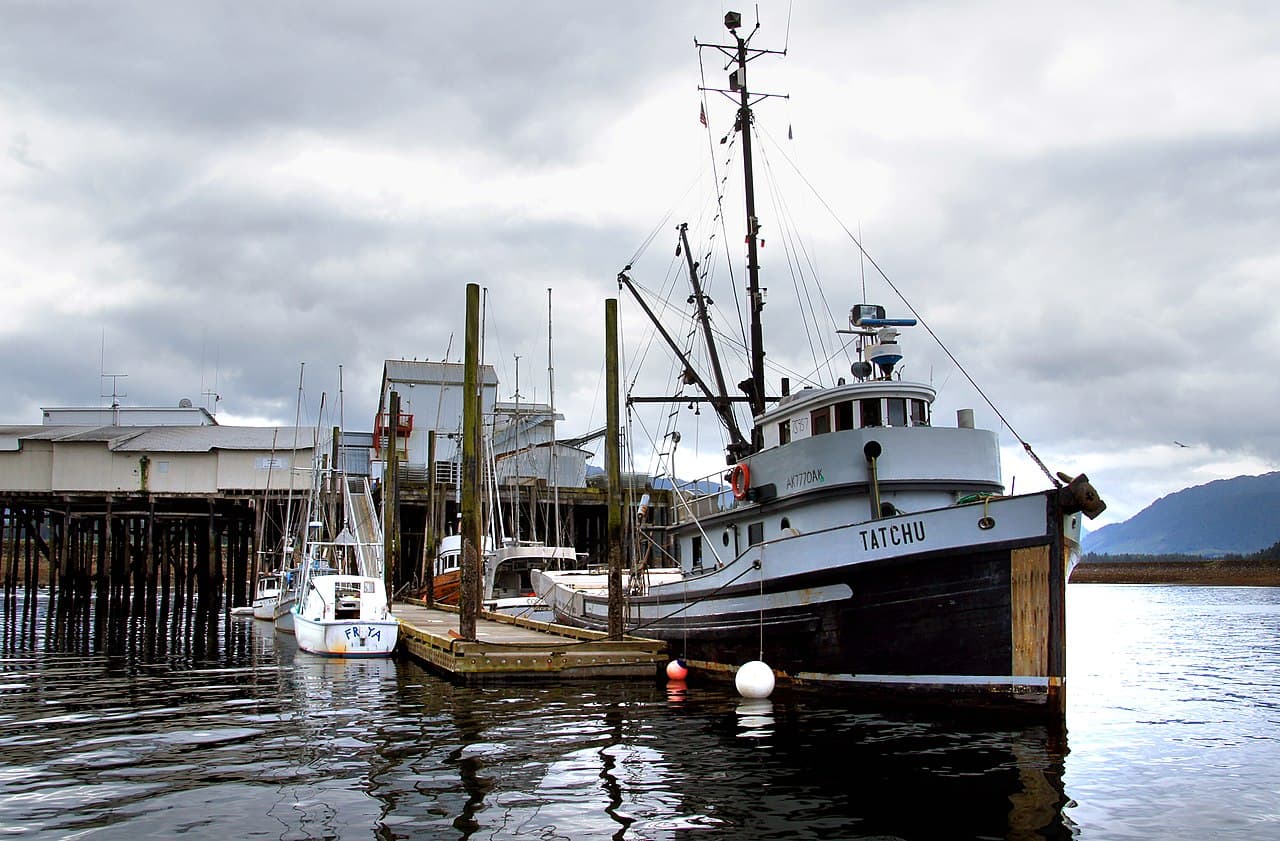
Icy Strait Point
Alaska's most reliable whale-watching stop, run by and for the Tlingit village of Hoonah.
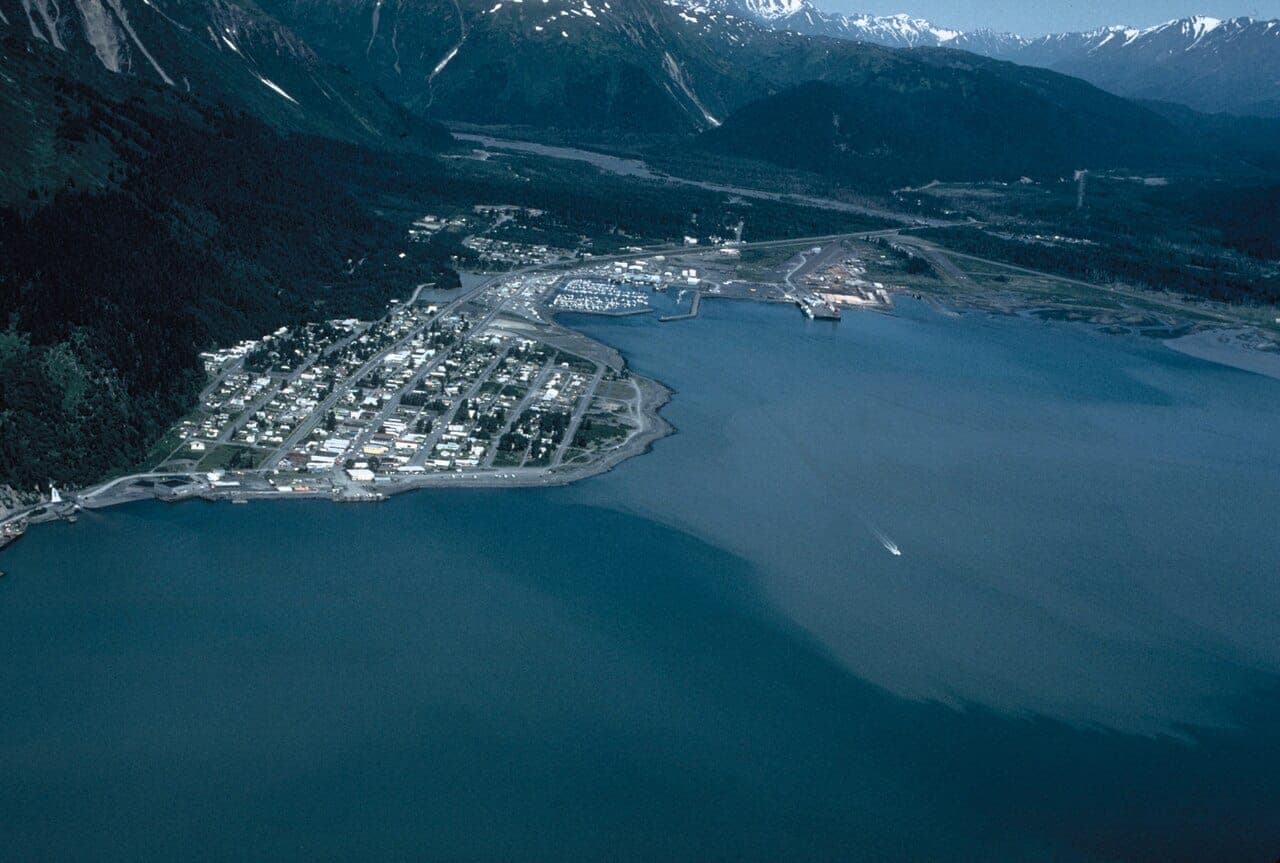
Seward
Gateway to Kenai Fjords National Park — glaciers, whales, and Resurrection Bay wildlife.
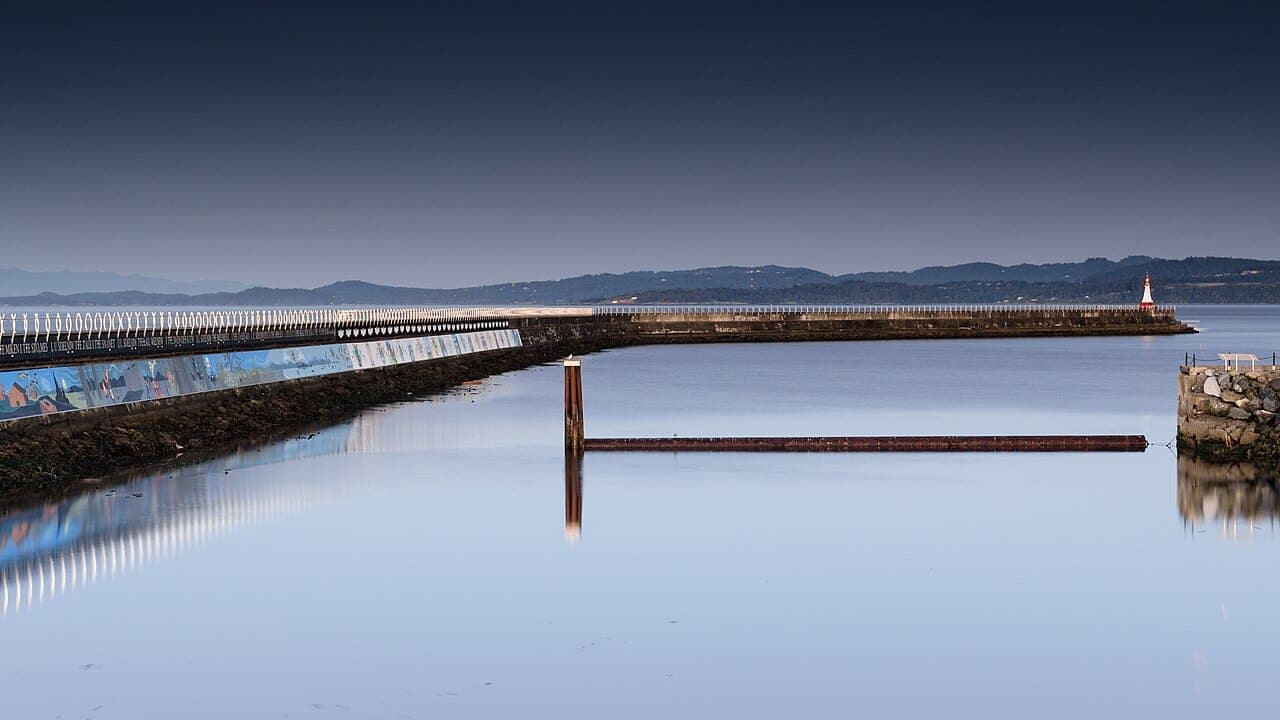
Victoria, BC
A garden city stop on Alaska round-trip itineraries — afternoon tea, Butchart Gardens, and a walkable harbour.
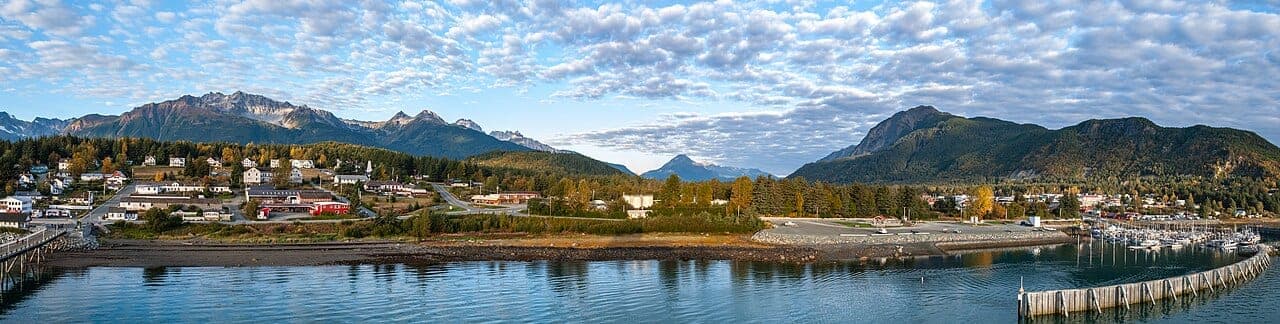
Haines
Alaska's 'Adventure Capital' — the world's largest gathering of bald eagles, minus the cruise-town polish.
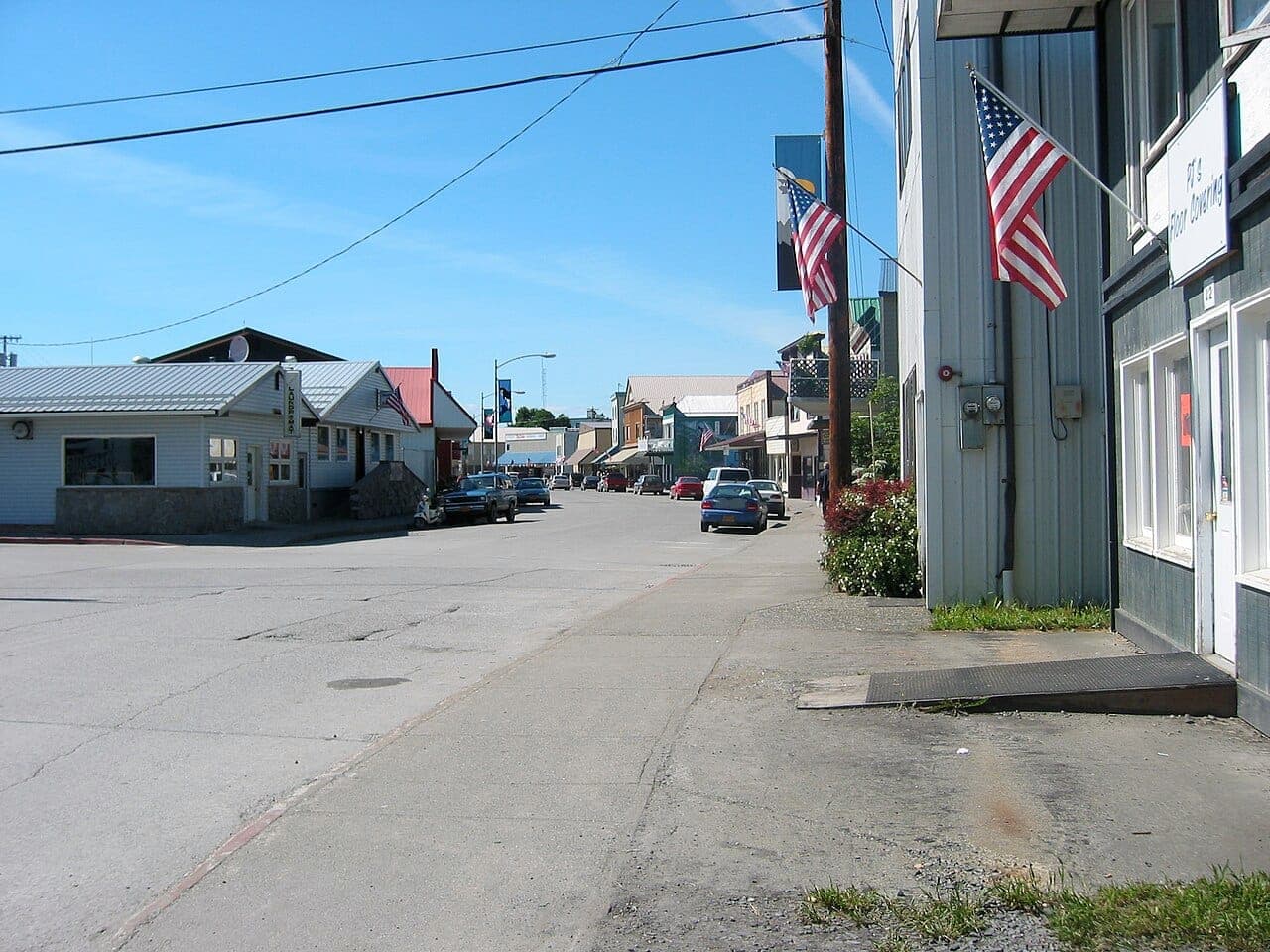
Wrangell
Ancient petroglyphs on the beach, bear-viewing by boat, and a dock that drops you straight onto Front Street.
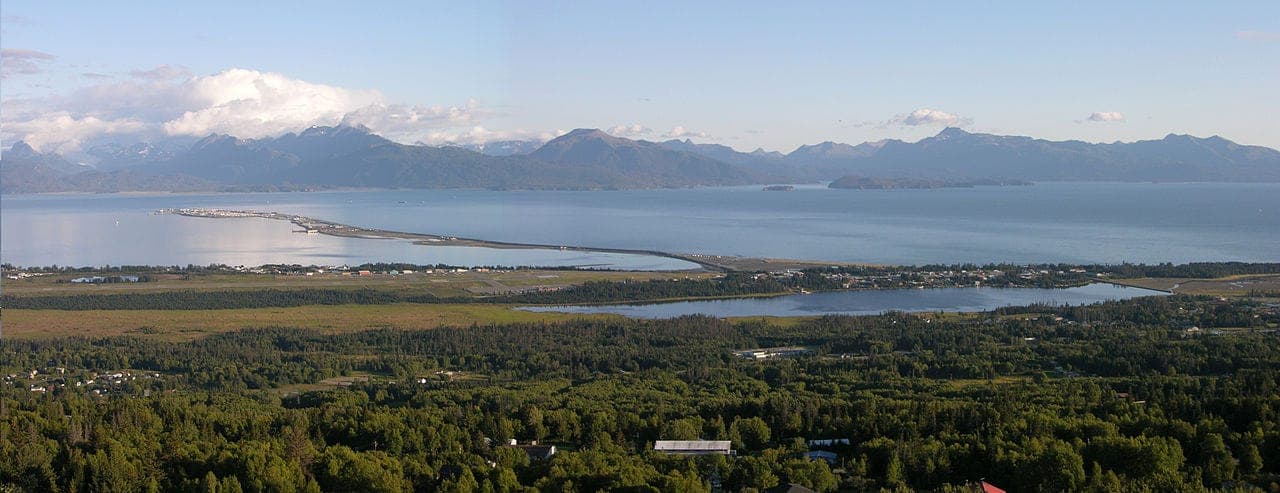
Homer
The 'Halibut Fishing Capital of the World' — a 4.5-mile gravel spit lined with fishing boats and dive bars.
Ships that sail the Alaska
What's onboard, cabins, and video tours.
Discovery Princess
The West Coast's newest Princess flagship — built for Alaska, Mexico, and Pacific adventures
Norwegian Bliss
Purpose-built for Alaska. Brilliant everywhere else too.
Norwegian Joy
West Coast home, world-class ship — Joy delivers year-round.
Celebrity Solstice
The ship that defined modern Celebrity — beautiful, brilliant, original.
Majestic Princess
From Asia to Australia — Princess' most widely-travelled Royal Class ship.
Crown Princess
The classic Princess experience — timeless, dependable, and everywhere.
Alaska cruise questions
Which side of the ship is better for an Alaska cruise?+
It matters far less than people are told. On a one-way northbound sailing the starboard side faces land more often, and southbound it is port side — but ships rotate to give both sides a view at every glacier, and the open decks are better than any balcony for scenery anyway. Pick your cabin for its location and quietness, not the side.
Are Alaska shore excursions worth the high prices?+
The aerial ones generally are, because they show you country that is genuinely unreachable any other way — helicopter glacier landings and floatplane trips to the Misty Fjords have no substitute. Whale watching is excellent value in Juneau and Icy Strait Point. Bus tours to Mendenhall Glacier are the clearest example of poor value: a public shuttle gets you there for a fraction of the price.
How cold is an Alaska cruise in summer?+
Milder than most people expect, and wetter. Port-day highs in June to August typically sit around 15–20°C, but on deck in front of a glacier with the wind off the ice it feels close to freezing. Layers and a genuinely waterproof outer shell matter much more than a heavy coat — you will be taking layers on and off all day.
Do I need a passport for an Alaska cruise?+
For a round trip from Seattle or Vancouver, almost always yes in practice, because these itineraries call at a Canadian port. Round trips from Seattle that begin and end in the same US port can technically be done by US citizens on a birth certificate and photo ID under closed-loop rules, but a passport removes all ambiguity and is essential if you ever need to fly home mid-cruise.
Is Glacier Bay better than Hubbard or Tracy Arm?+
Glacier Bay is the most sought-after because the National Park Service caps how many ships may enter each day and rangers board to narrate, which makes it both exclusive and better explained. Hubbard is the largest tidewater glacier on the itinerary and often the most dramatic calving. Tracy Arm is the narrowest and most intimate. Any of the three is a highlight; the presence of one on your itinerary matters more than which.