
Norwegian Fjords Cruise Ports
Sheer cliffs, waterfalls, and the most scenic sailing in Europe.
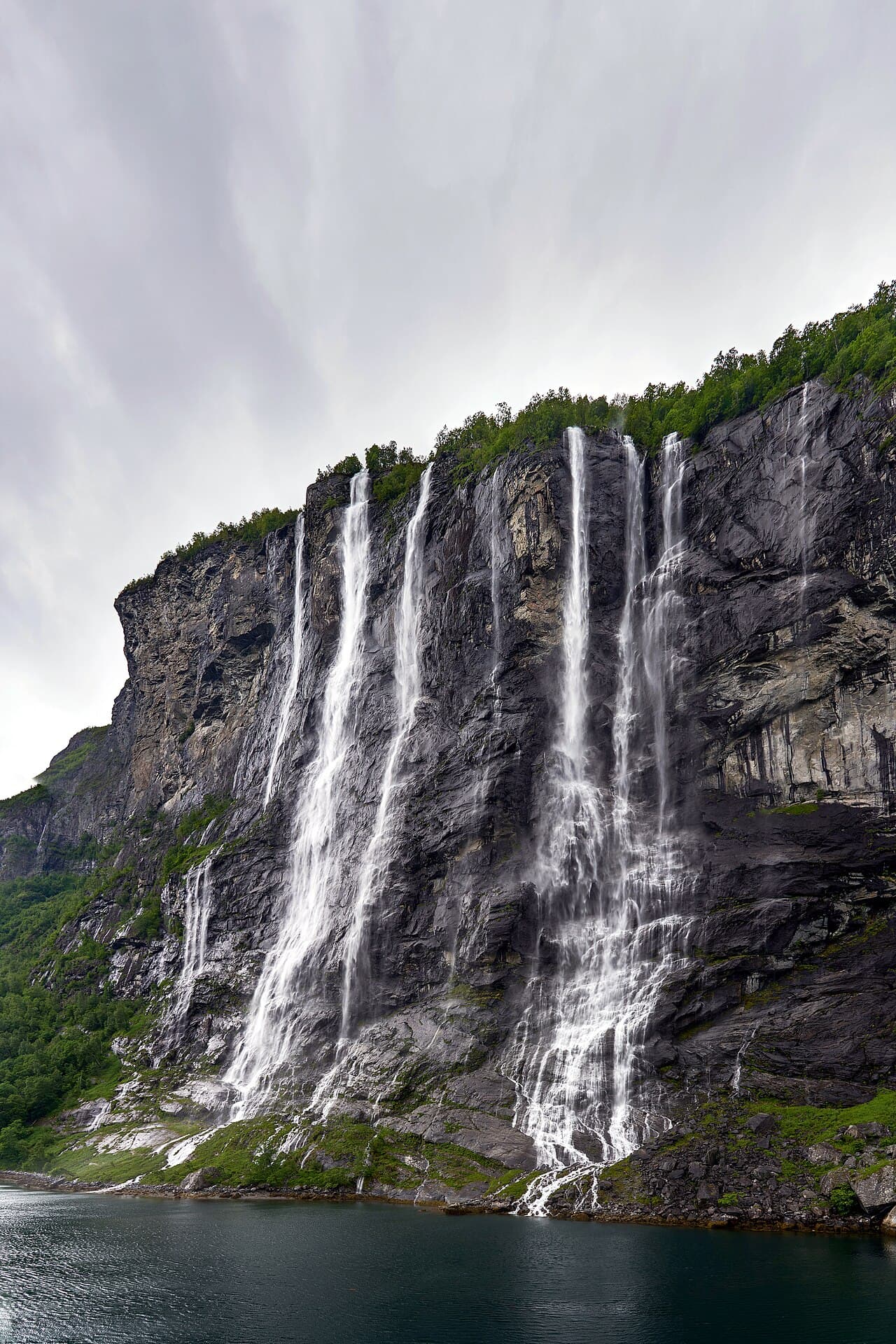
The Norwegian fjords are the most underrated itinerary in European cruising, and the one where the sailing itself does most of the work. Approaching Geiranger, the ship threads a fifteen-kilometre corridor between cliffs rising more than a kilometre straight out of the water, with the Seven Sisters waterfall on one side and farms clinging to ledges above. No excursion on the day matches simply being on deck for that arrival, which is why the timing of your ship's approach is worth checking before you book anything ashore.
The four ports each do something distinct. Bergen is a proper city — the Bryggen wharf is a UNESCO site and the fish market and Floibanen funicular are a short walk from the berth. Flam is a hamlet that exists largely for the Flamsbana railway, one of the steepest adhesion rail lines in the world. Geiranger is scenery first and a village second. Stavanger combines an exceptionally pretty old town of white timber houses with access to the Lysefjord and Pulpit Rock.
Norway is expensive in a way that catches cruisers off guard — a casual lunch and a beer ashore can cost more than a shore excursion elsewhere in Europe. The practical response is to eat the meal you have already paid for on the ship and spend ashore only on the things you cannot get onboard: the railway, a fjord RIB, the funicular. Almost everything is card-based, so cash is genuinely unnecessary here.
Choosing dates and a route? Norwegian Fjords Cruises 2027: Season & Ports
When to sail
- Best months
- June to August — the mildest weather, near-endless daylight, and every mountain road, railway and hiking route open.
- Shoulder season
- May and September bring fewer ships, lower fares, and in May the waterfalls at full snowmelt volume, which is arguably the best they look all year.
- When to think twice
- October to April. Most fjord itineraries do not operate, mountain passes close, and daylight in Bergen shrinks to around six hours by midwinter.
Getting around
Everything you need is close to the quay in all four ports — Bergen, Flam, Geiranger and Stavanger are all comfortably walkable from the berth, which is unusual for Europe. Ships dock rather than tender at Bergen and Stavanger; Geiranger is usually a tender. The Flamsbana railway leaves from beside the Flam pier, and Bergen's Floibanen funicular is about ten minutes on foot from the ship. Norway's public transport is punctual and card-operated, and the main reason to take a ship excursion here is the mountain-road coach trips, which need a vehicle.
Money & language
Norway uses the krone, not the euro, and is effectively cashless — cards and phone payments are accepted for everything down to a public toilet, so there is no reason to change money. English is spoken near-universally and to a very high standard. Prices are high across the board: expect European capital prices plus roughly a third, and note that alcohol in particular is taxed heavily.
Typical Norwegian Fjords itineraries
How the major cruise lines usually string these ports together.
Fjords round trip from Southampton
7 nightsStavanger · Flam · Geiranger · Bergen
Northern Europe with fjord calls
10–14 nightsBergen · Geiranger · Amsterdam · Copenhagen
All 7 Norwegian Fjords port guides
Beaches, food, pier-to-town distances, and an honest verdict on the ship's excursions.
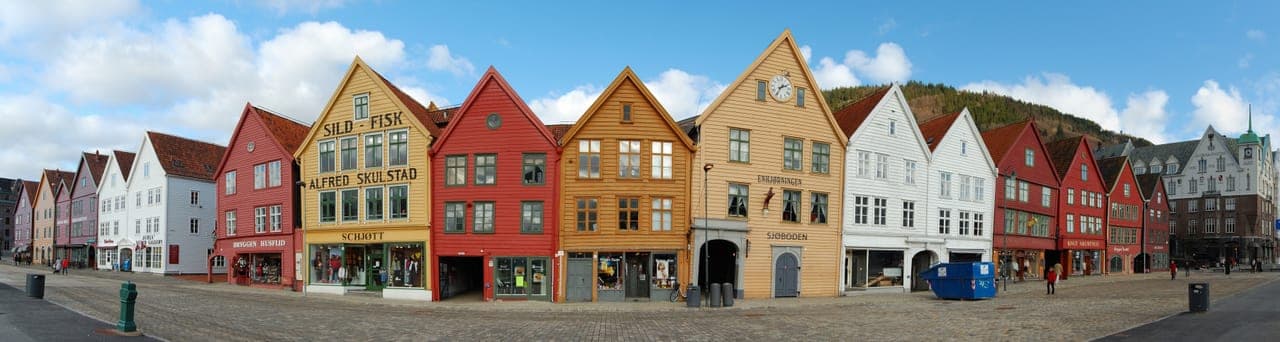
Bergen
Norway's gateway to the fjords — colourful wooden houses, fresh seafood, and mountain funiculars.

Flåm
A tiny village at the end of Norway's most scenic fjord — and the starting point of one of the world's great railway journeys.
Geiranger
The postcard fjord — sheer cliffs, cascading waterfalls, and one of the most photographed views in Norway.
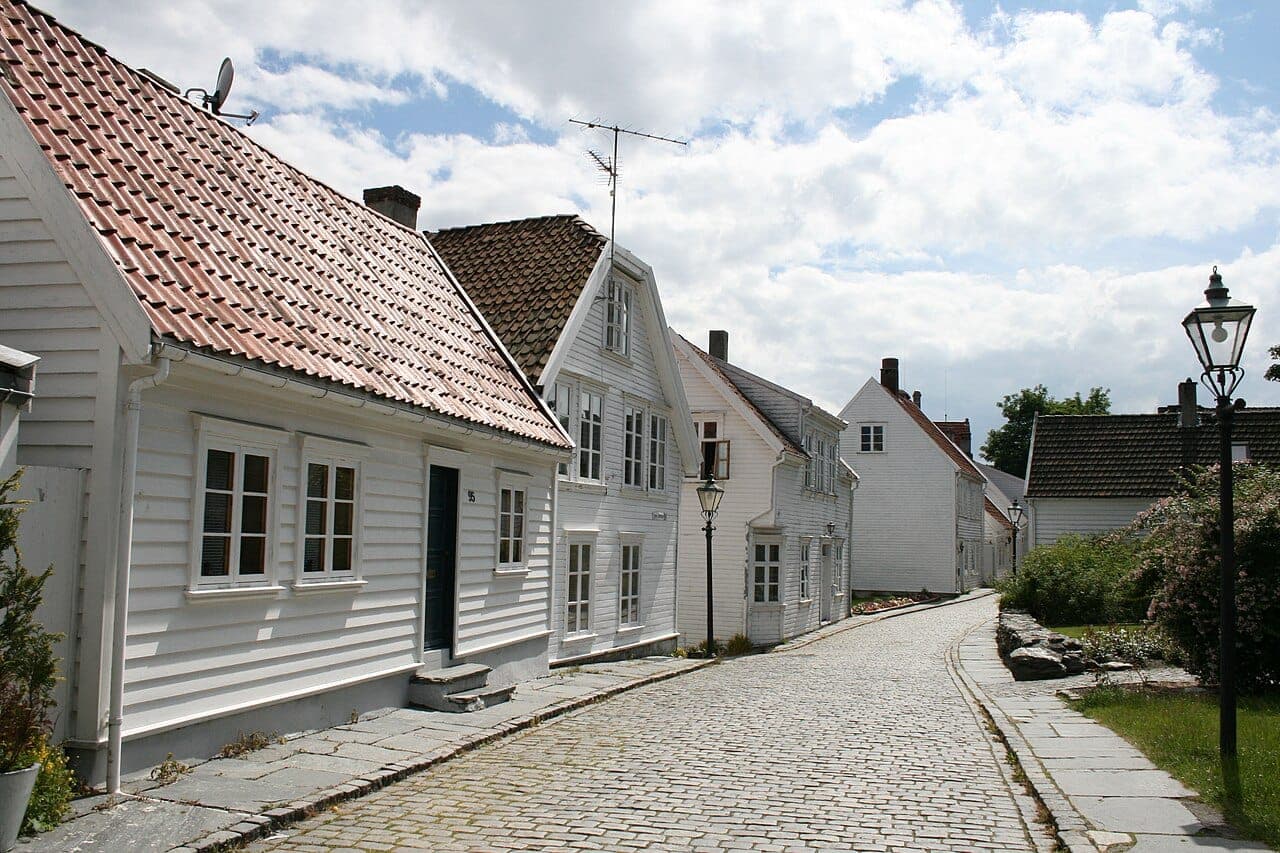
Stavanger
Norway's seafood capital and the launch point for the legendary Pulpit Rock hike.
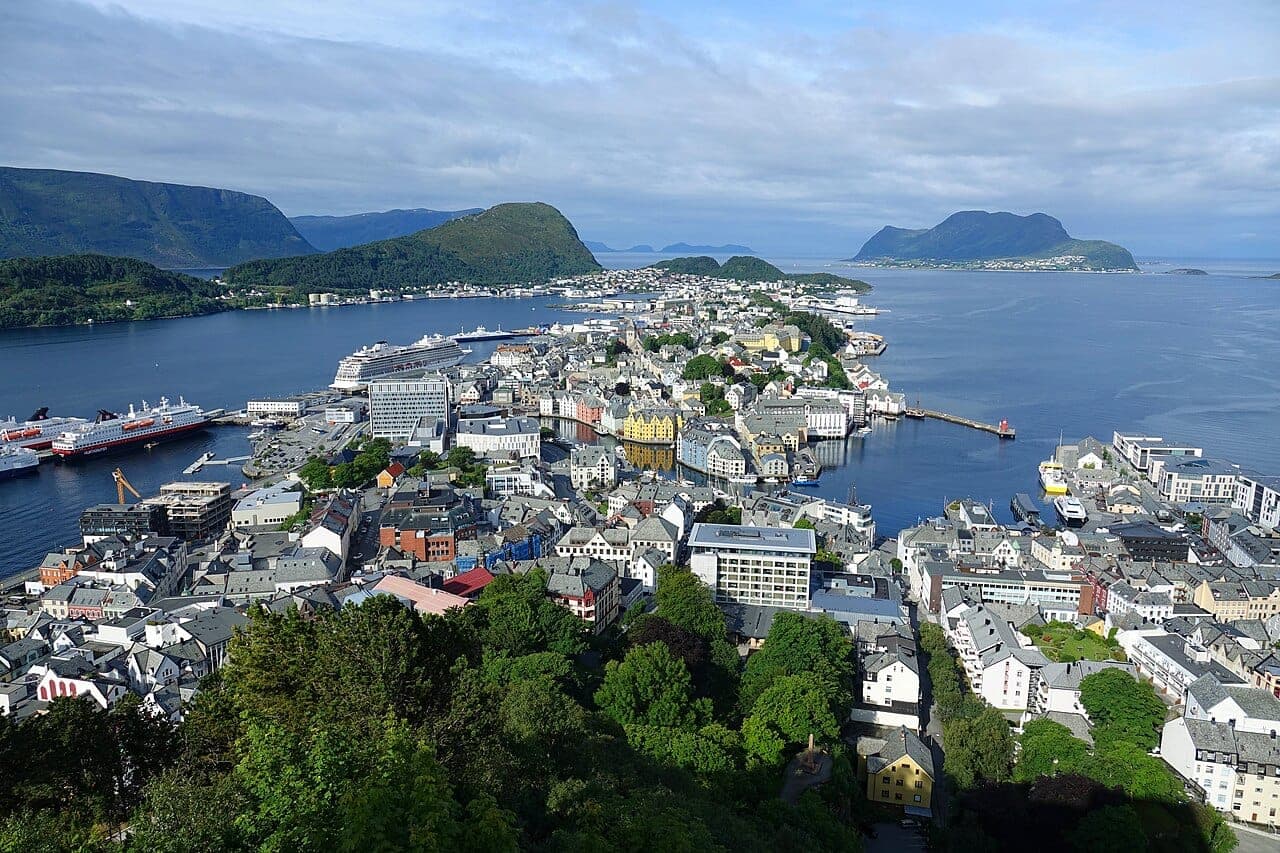
Ålesund
An entire town rebuilt in Art Nouveau style after a fire — with the best view in Norway a short climb away.
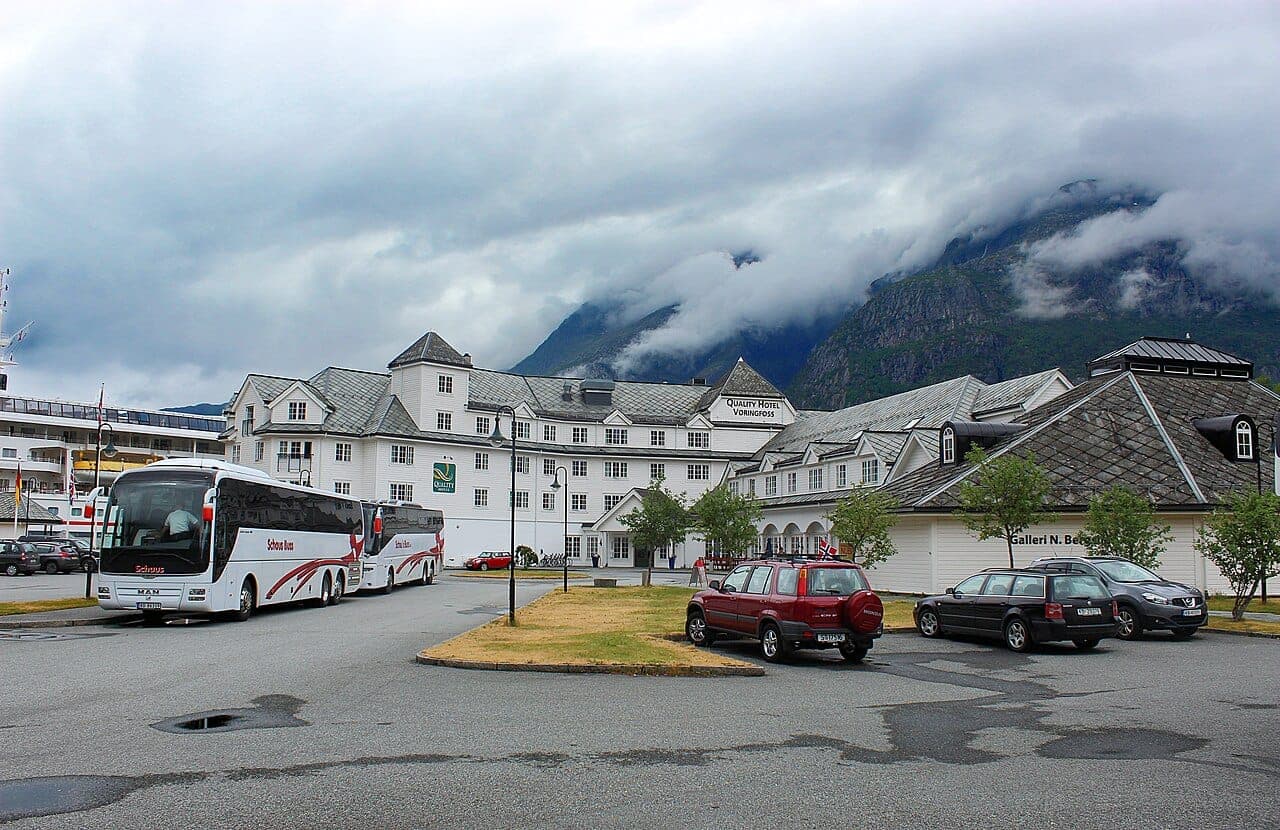
Eidfjord
A tiny fjord village that's the gateway to one of Norway's most powerful waterfalls.
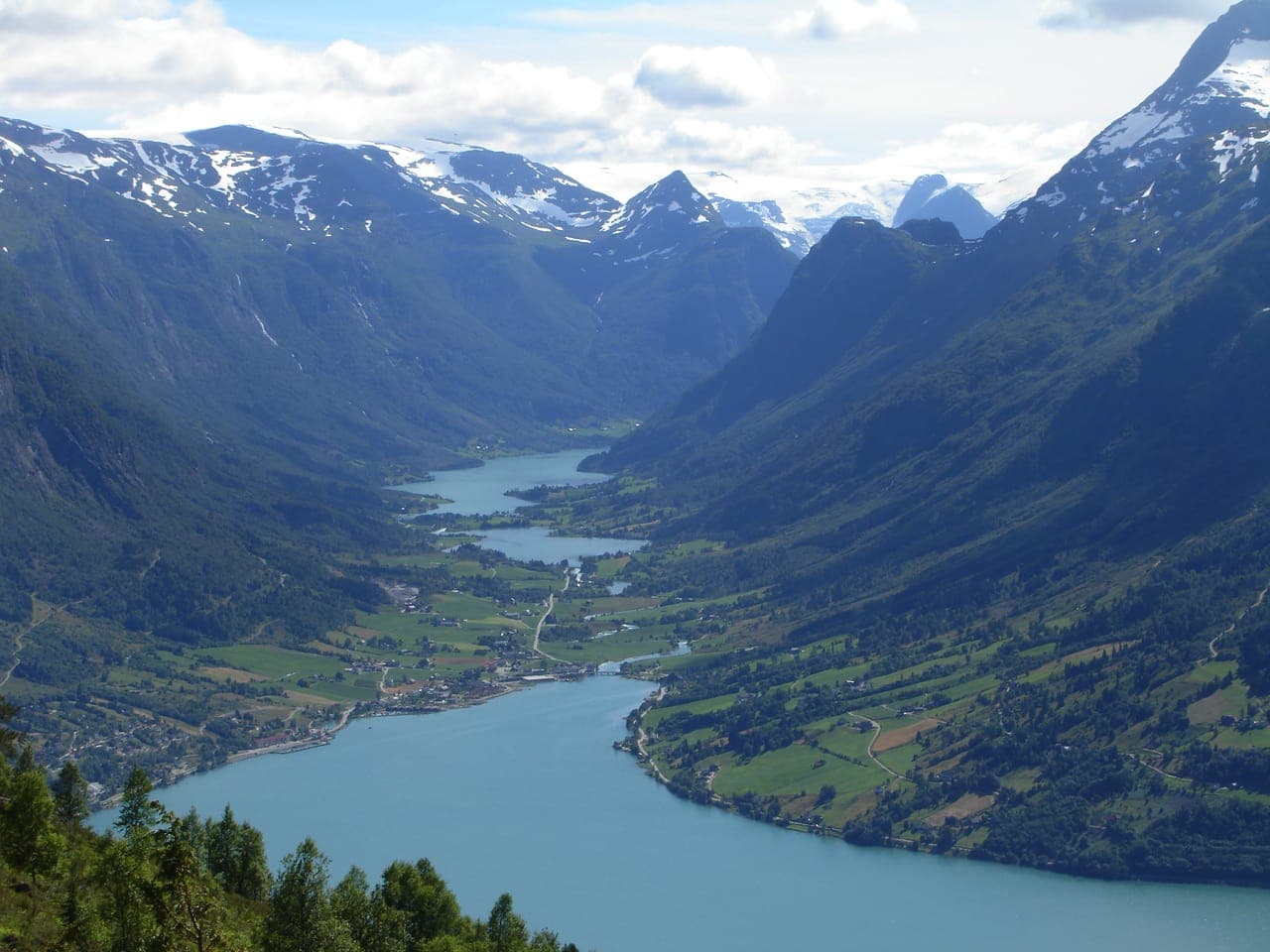
Olden
A single-glacier-focused port — Norway's most-visited glacier and a dramatic cable car, no old town required.
Ships that sail the Norwegian Fjords
What's onboard, cabins, and video tours.
Norwegian Prima
NCL's design reset — fewer guests, more space, and the most dramatic outdoor experiences at sea
Celebrity Beyond
The most sophisticated Edge class yet — wider, refined, with the best rooftop at sea
MSC Virtuosa
Virtue, elegance, and cutting-edge tech — MSC's European flagship.
Enchanted Princess
Southampton's favourite Princess — Mediterranean and beyond.
Celebrity Apex
Edge-class sophistication with exceptional dining and design.
Celebrity Silhouette
A polished premium ship with Solstice-class style, service, and destination depth.
Norwegian Fjords cruise questions
Which Norwegian fjord port is the most scenic?+
Geiranger, without much argument — the approach down Geirangerfjord past the Seven Sisters waterfall is the single most photographed stretch of water in Norwegian cruising, and the Dalsnibba and Eagle Road viewpoints above the village extend it. Flam's fjord arm is comparable in drama; Bergen and Stavanger are better towns but gentler settings.
Is the Flam Railway worth the money?+
Yes, and it is one of the few excursions in this region we recommend without hedging. The Flamsbana climbs almost 900 metres in twenty kilometres through tunnels and switchbacks, stopping at the Kjosfossen waterfall. It runs from beside the pier, and you can book it directly yourself for less than the ship charges — just be certain the return service gets you back before all-aboard.
How expensive is Norway for a cruise passenger?+
Very. A simple café lunch for two with drinks runs to the equivalent of a mid-range restaurant meal elsewhere in Europe, and a beer can approach ten pounds. The sensible approach is to eat aboard and spend ashore only on experiences. Nothing about the ports themselves — the walking, the views, the old towns — costs anything.
Do I need cash in Norway?+
No. Norway is one of the most cashless countries in the world and contactless cards or phone payments are accepted essentially everywhere, including small kiosks and public facilities. Changing money before you travel is wasted effort and a poor exchange rate.
What is the weather like on a fjord cruise?+
Changeable and considerably cooler than the rest of a European summer. Expect 15–20°C on a good July day, materially colder on deck while sailing, and a realistic chance of rain and low cloud in any month — Bergen is among the wettest cities in Europe. Pack layers and a waterproof; low cloud can hide the cliff tops that are the entire point of the day.