

Mediterranean Cruise Ports
Ancient history, incredible food, and postcard scenery.
A Mediterranean cruise is a fundamentally different exercise from a Caribbean one. You are not choosing between beaches; you are choosing what to leave out of a city that deserves three days and is giving you nine hours. Barcelona, Rome, Athens, Naples and Lisbon are all genuine destinations in their own right, and the single biggest planning mistake is trying to see all of one in a single port call rather than picking two things and doing them without rushing.
The other defining feature is transit time. Several of the marquee stops are not actually in the city they are sold as. Civitavecchia is roughly ninety minutes from Rome. Piraeus is a half-hour metro ride from the Acropolis. Livorno is an hour from Florence and further from Pisa. That round trip can eat four hours of a nine-hour call before you have seen anything, which is the one scenario where a ship excursion earns its premium — it guarantees the ship waits for you if the coach is delayed.
Timed-entry ticketing has also changed how these ports work. The Alhambra, the Vatican Museums, the Sagrada Familia and the Acropolis all now sell fixed-slot tickets that routinely sell out weeks ahead in summer. Turning up on the day is no longer a viable plan at the headline sites, and our port guides flag which ones need booking before you leave home versus which you can still walk into.
Choosing dates and a route? Mediterranean Cruises 2027: Season & Ports
When to sail
- Best months
- May, June, September and early October — warm, long daylight hours, and the ruins are walkable without the July heat.
- Shoulder season
- April and late October are cooler and quieter with real bargains, though some beach clubs and smaller island businesses have not opened or have already closed.
- When to think twice
- July and August. Temperatures inland at Pompeii, Ephesus and the Acropolis regularly exceed 35°C with almost no shade, crowds peak, and fares are at their highest.
Getting around
Mediterranean ports have the best public transport of any cruise region and it is usually the fastest option, not merely the cheapest. Barcelona, Athens, Lisbon and Naples all have metro or commuter rail within reach of the pier, and Civitavecchia has a direct train to Rome. Many ports also run a mandatory shuttle from the ship to the port gate — check whether it is free, as a few lines charge for it. Taxis are metered and regulated in EU ports; insist on the meter.
Money & language
The euro covers most of the region, with notable exceptions in Turkey (lira), Croatia now on the euro, and the UK. Cards are accepted almost universally, though small cafés and market stalls often set a card minimum. English is widely spoken in tourist districts and by anyone working in the port economy, but far less so a few streets inland — which is usually exactly where the food is better and half the price.
Typical Mediterranean itineraries
How the major cruise lines usually string these ports together.
Western Mediterranean
7 nightsBarcelona · Naples · Rome (Civitavecchia) · Lisbon
Eastern Mediterranean & Greek Isles
7 nightsAthens (Piraeus) · Santorini · Mykonos · Kusadasi (Ephesus)
Adriatic
7 nightsDubrovnik · Kotor · Naples
All 46 Mediterranean port guides
Beaches, food, pier-to-town distances, and an honest verdict on the ship's excursions.
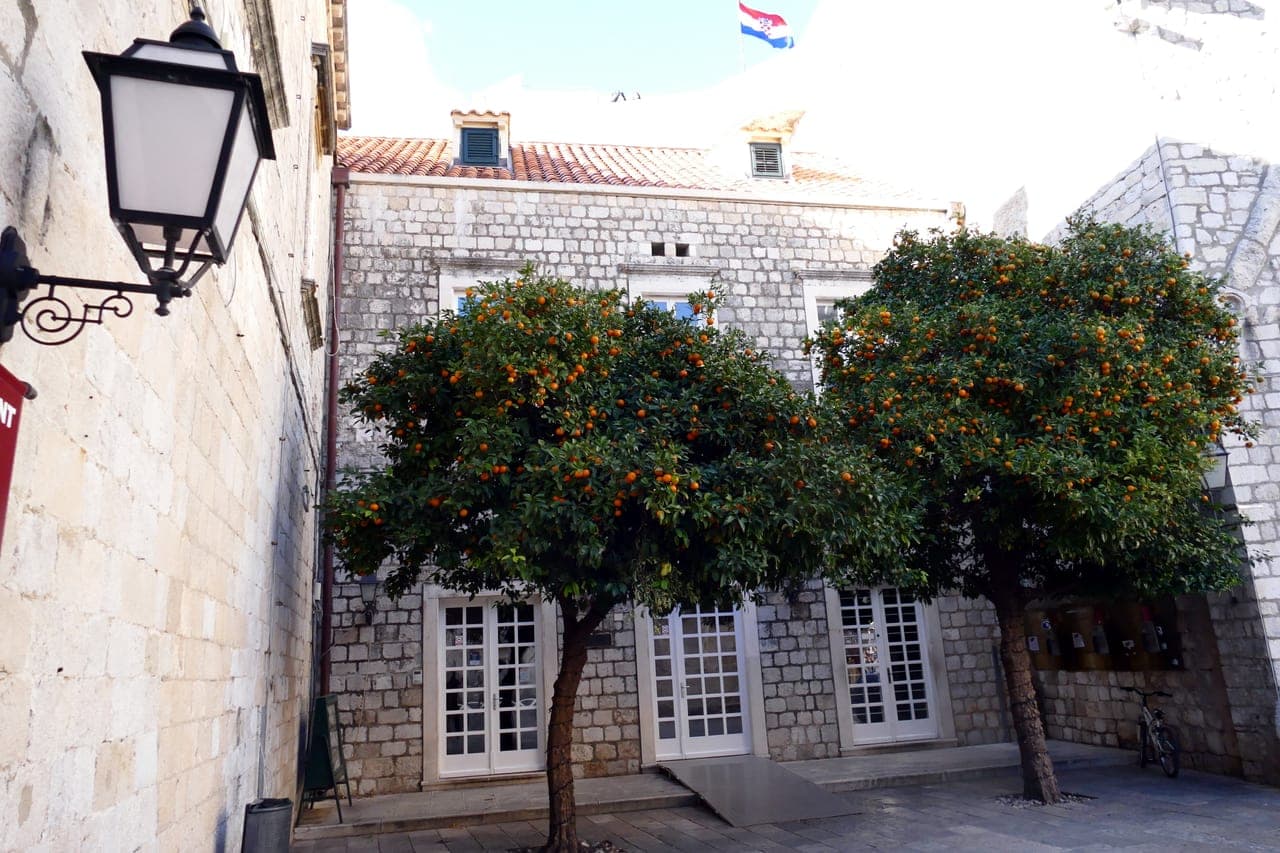
Dubrovnik
The Pearl of the Adriatic — medieval walls, Game of Thrones filming locations, and crystal-clear sea.
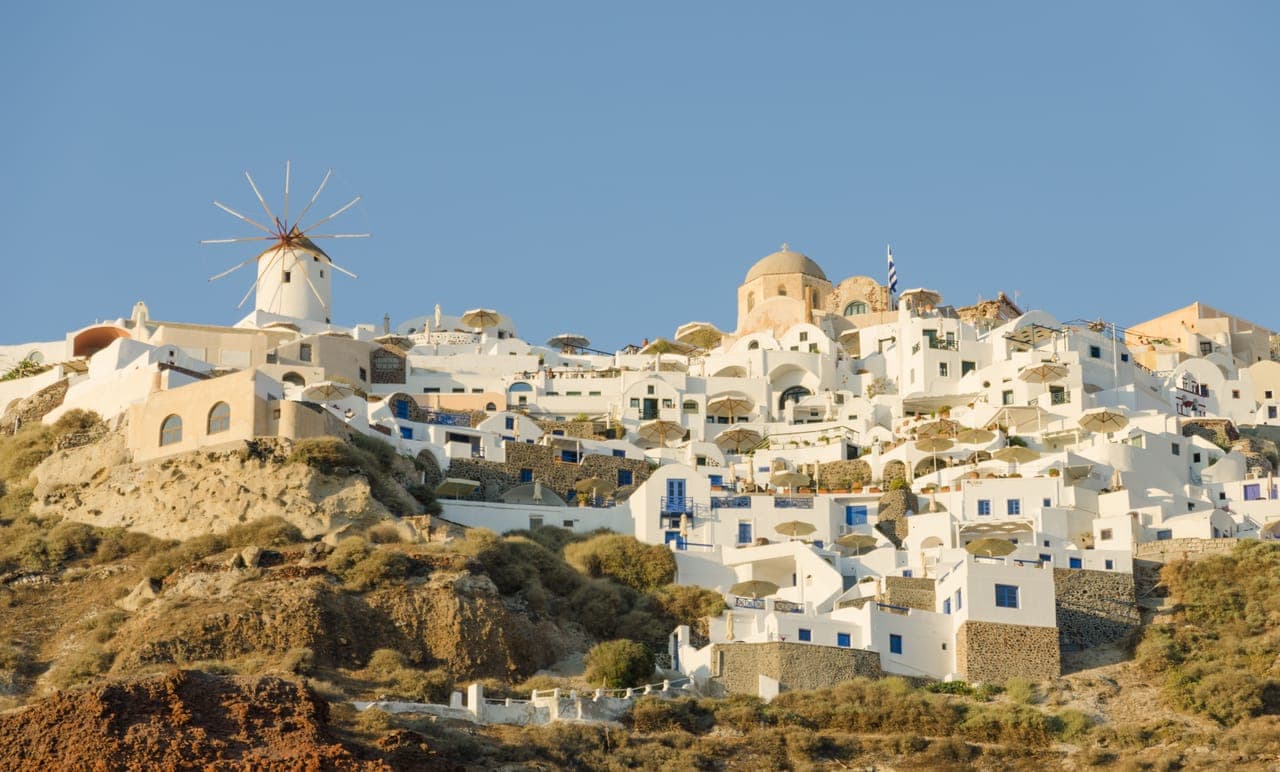
Santorini
Iconic whitewashed villages, volcanic beaches, and sunsets that people fly across the world to see.
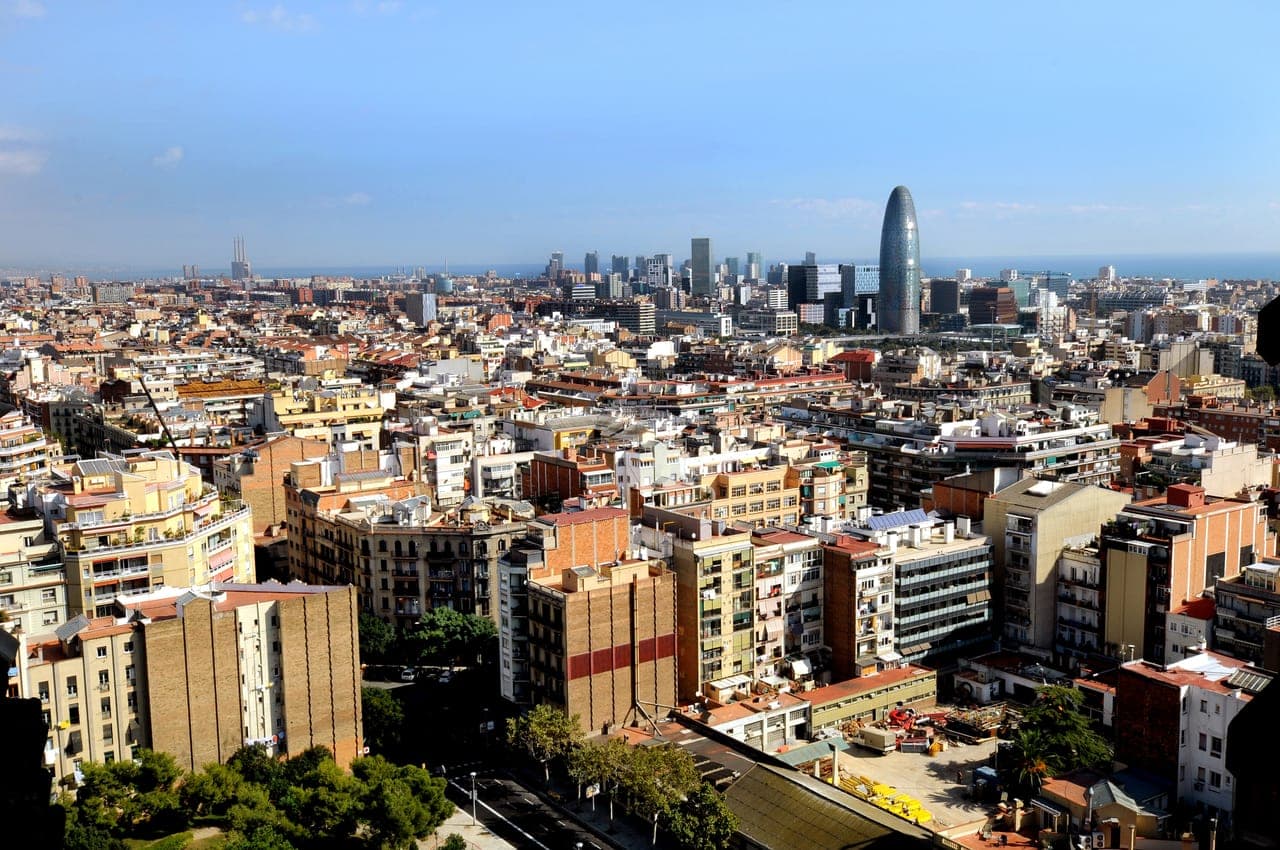
Barcelona
Gaudí's impossible architecture, world-class tapas, buzzing beaches, and a city that never stops.
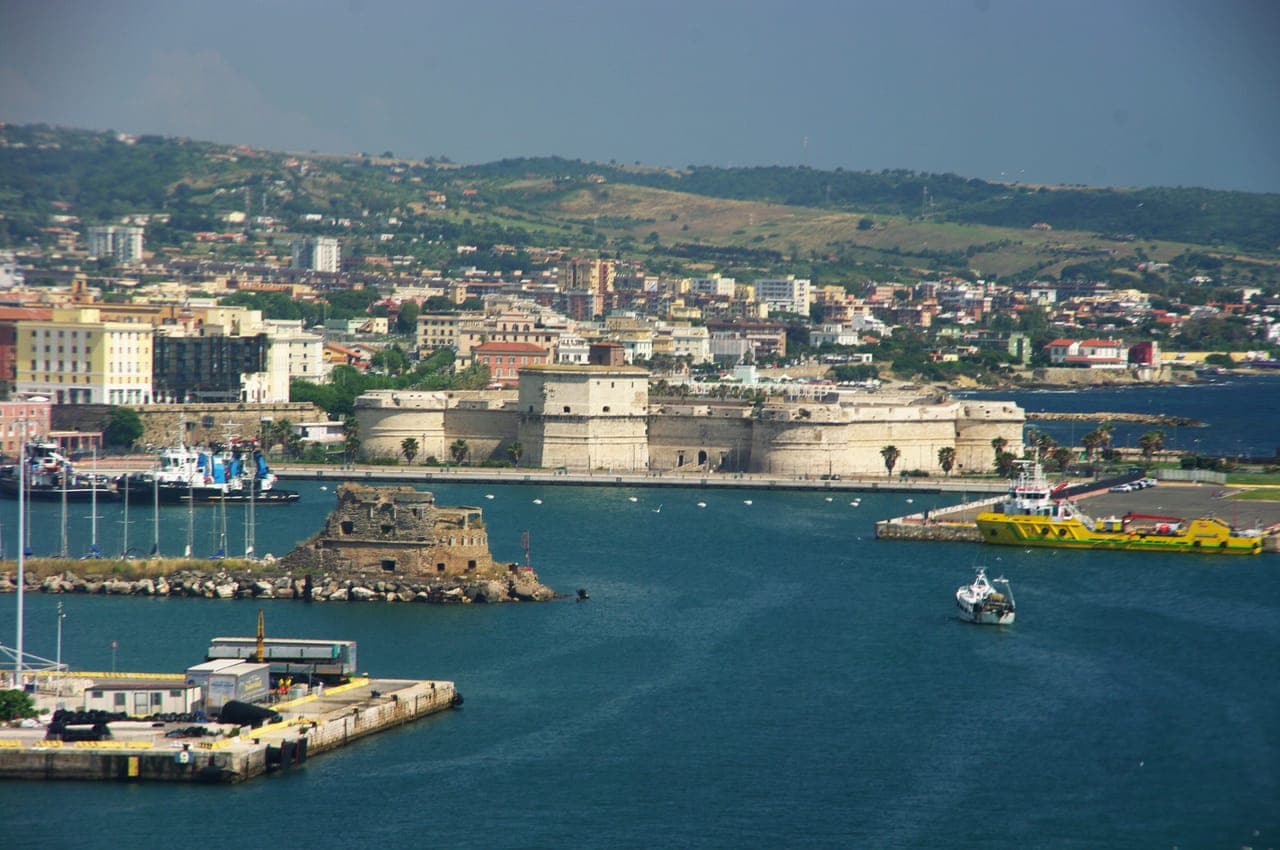
Rome (Civitavecchia)
The gateway to Rome — the Colosseum, Vatican, and 2,000 years of history just 90 minutes away.
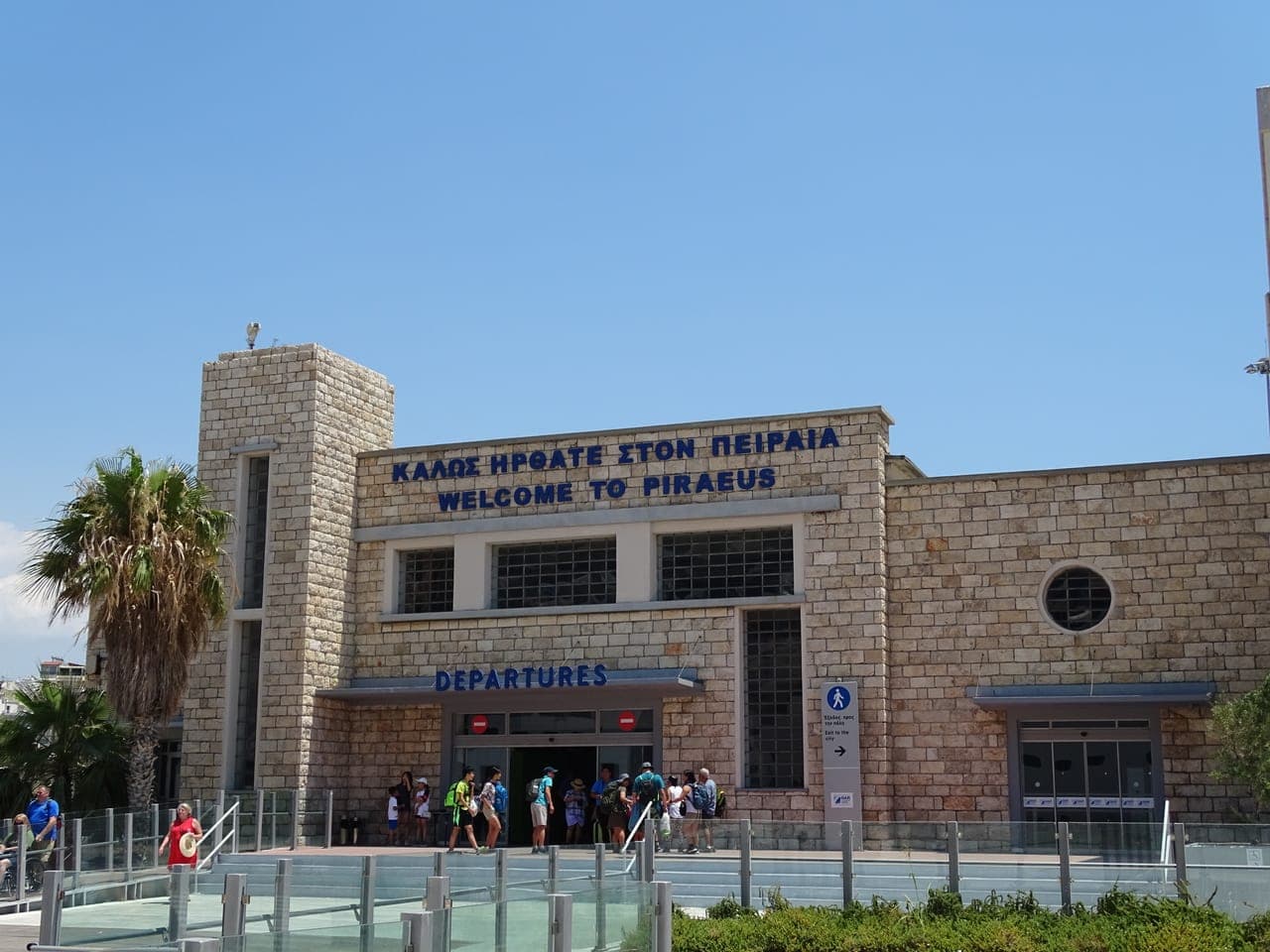
Athens (Piraeus)
The cradle of Western civilisation — the Acropolis, ancient Agora, and the best street food in Greece.
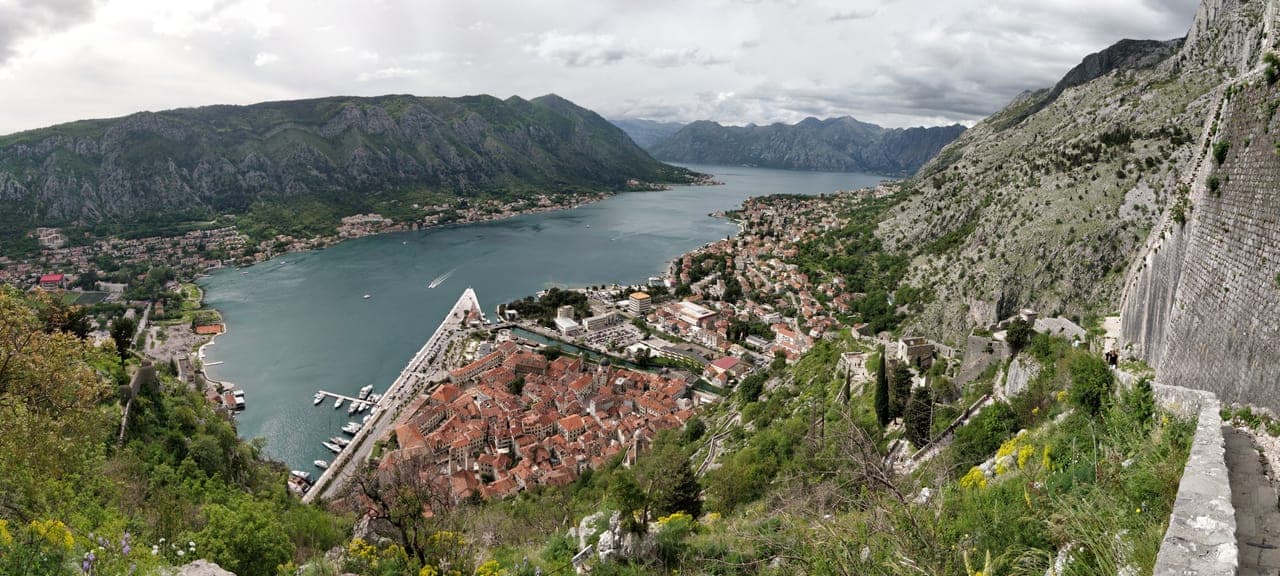
Kotor
A perfectly preserved medieval city at the foot of dramatic mountains — one of the most beautiful bays in Europe.
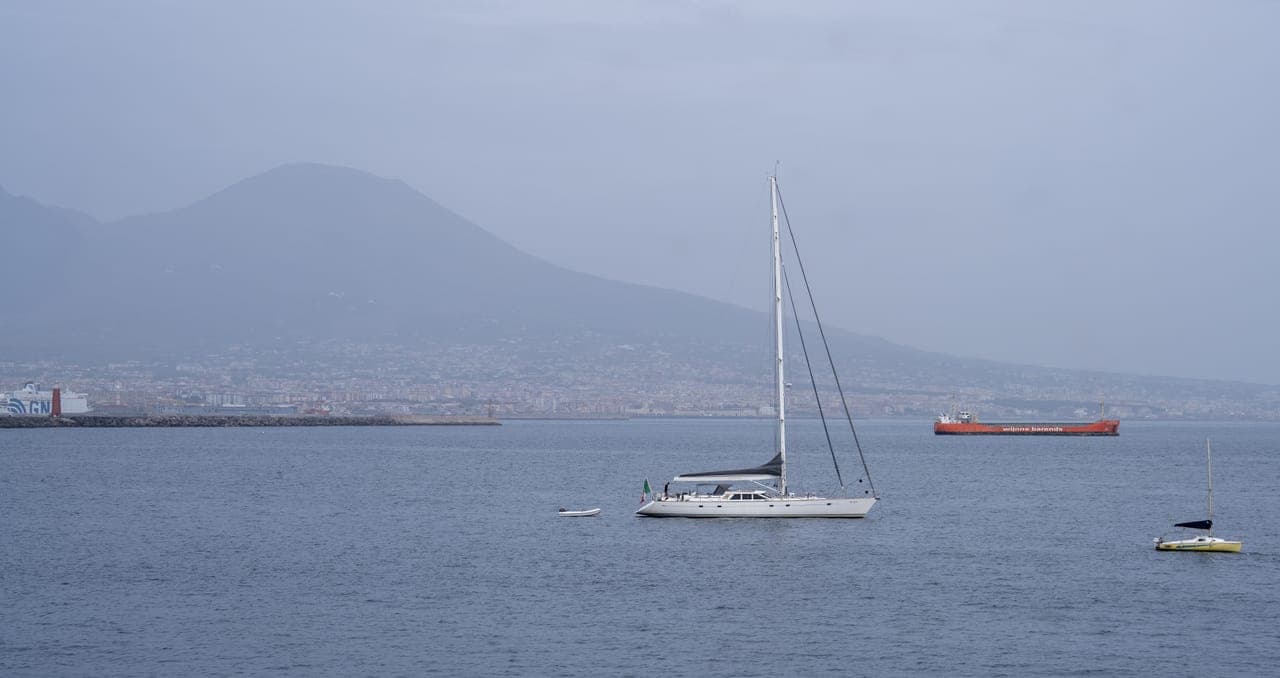
Naples & the Amalfi Coast
Pizza's birthplace, Pompeii's ruins, and the most dramatic coastline in the Mediterranean.
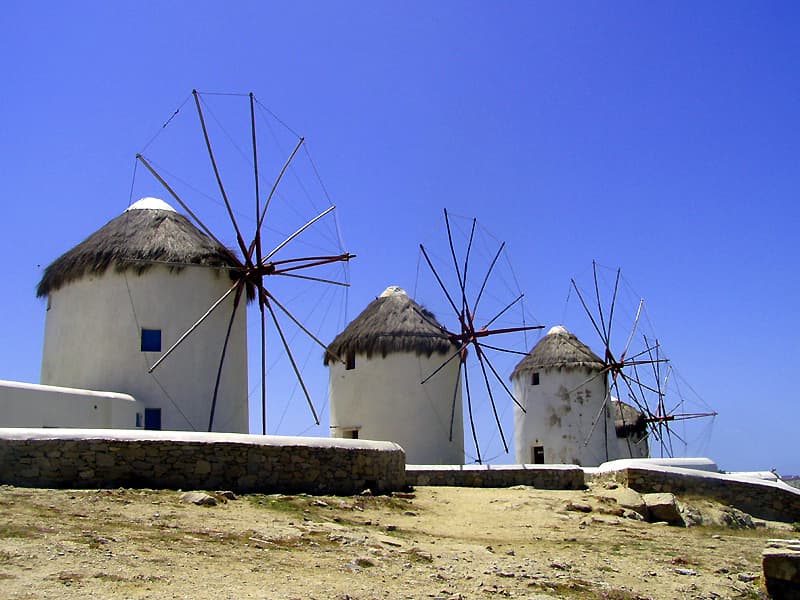
Mykonos
Iconic windmills, whitewashed Cycladic architecture, and the most glamorous island in Greece.
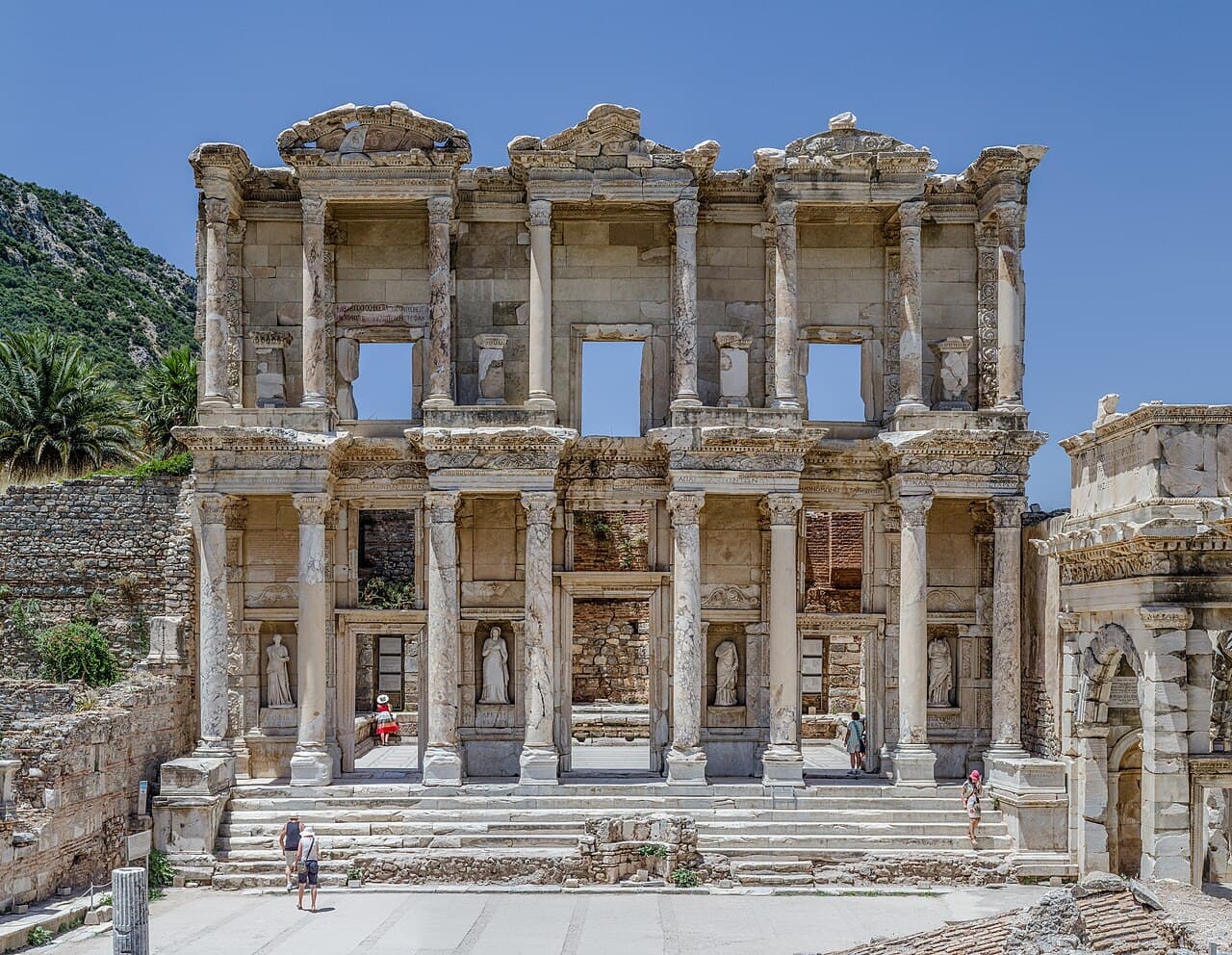
Kusadasi (Ephesus)
The Library of Celsus, one of the great ancient cities of the world — and all just 20 minutes from the pier.
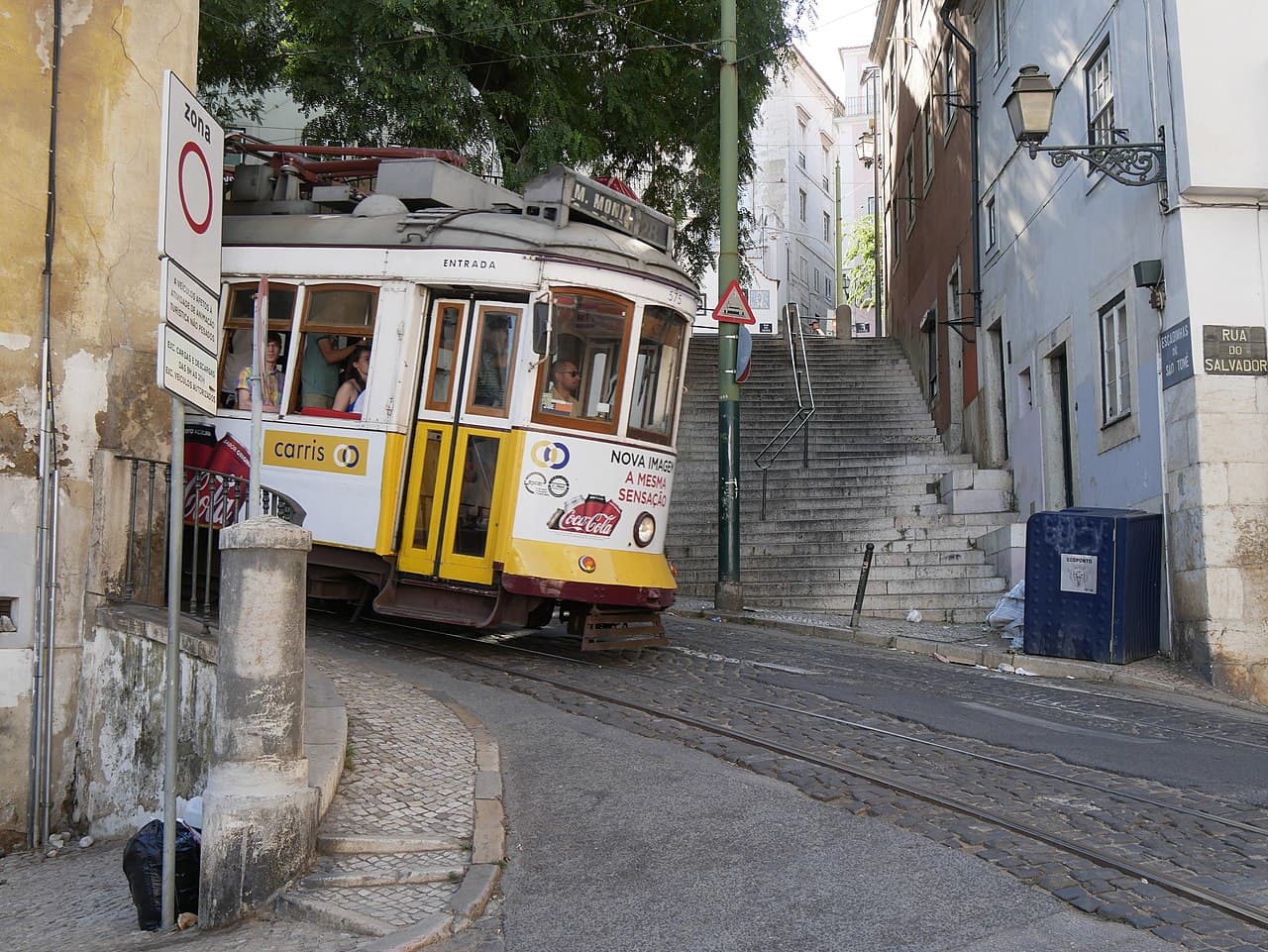
Lisbon
Tram rides through steep cobblestone hills, pastéis de nata, and one of Europe's most enchanting capitals.
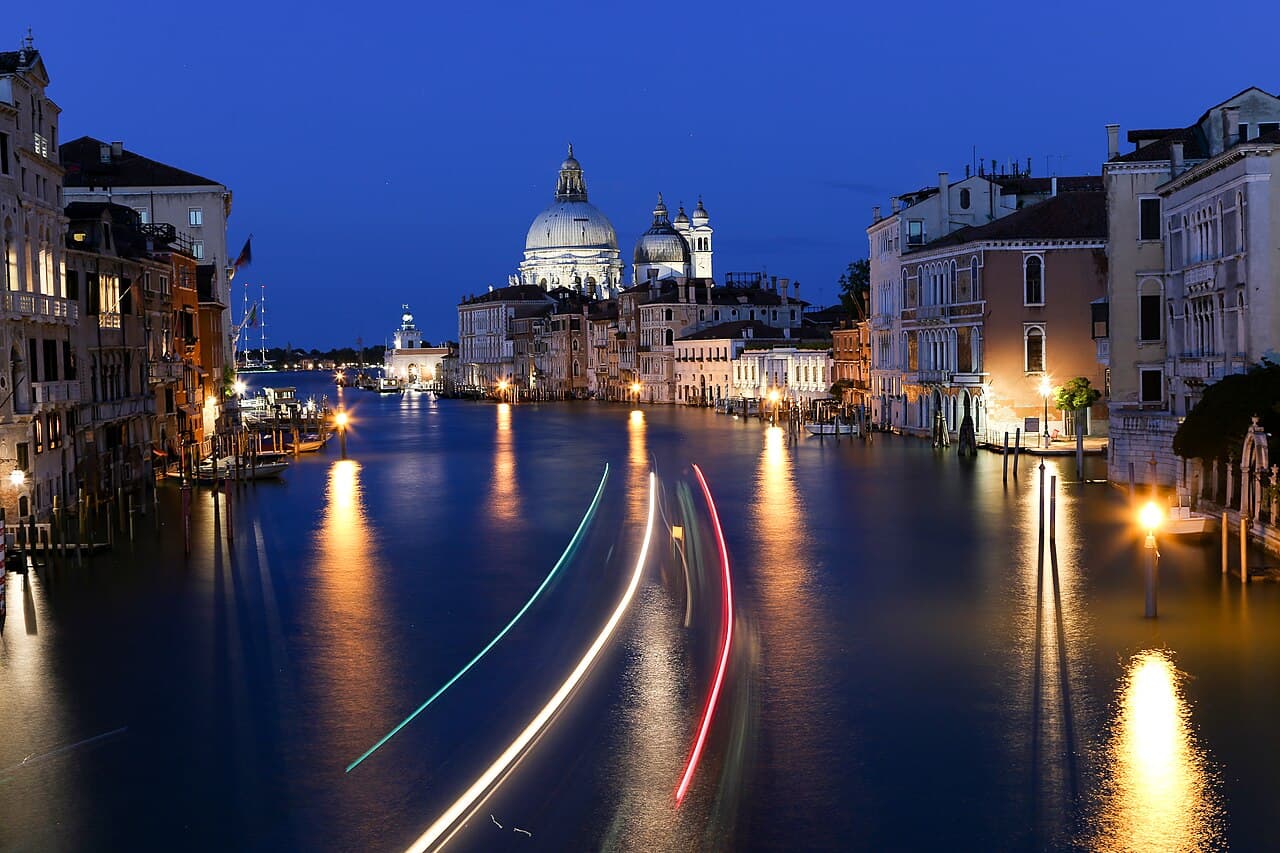
Venice
Canals, gondolas, and centuries of maritime history — the single most iconic port call in the Mediterranean.
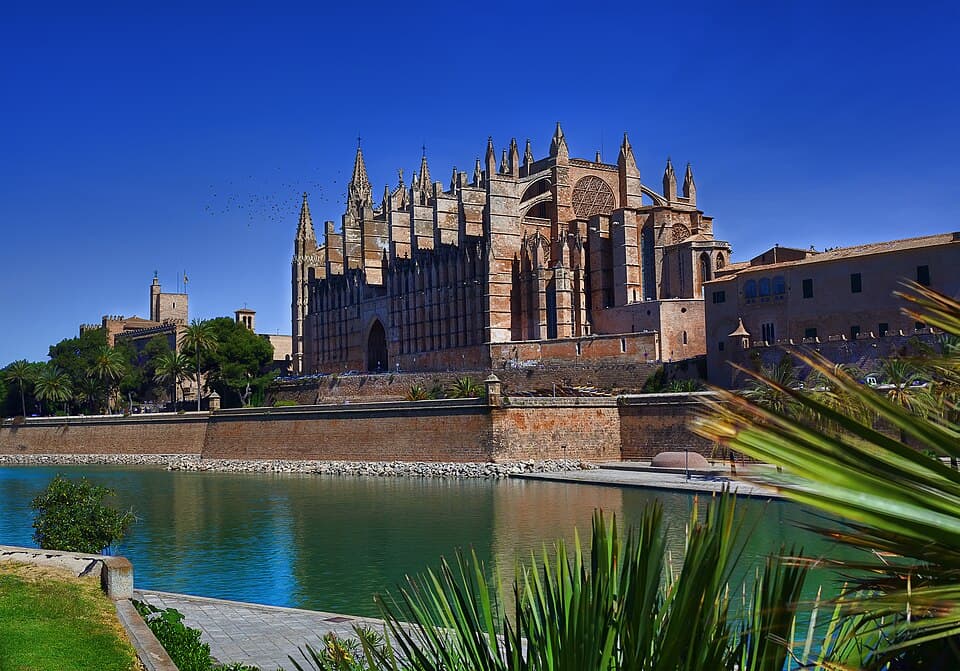
Palma de Mallorca
Balearic beaches, a soaring Gothic cathedral, and easy tapas-hopping in one of Spain's most walkable port cities.
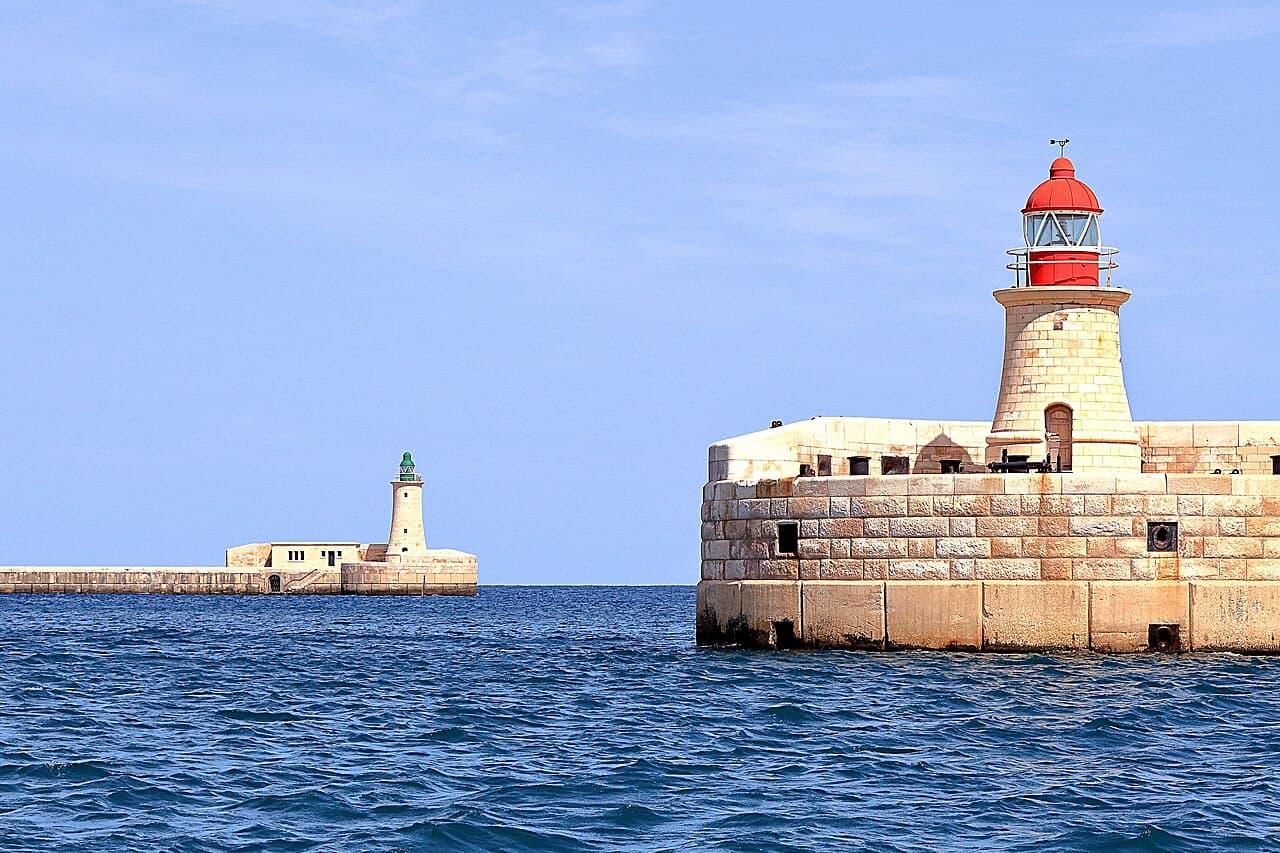
Valletta
A whole UNESCO World Heritage capital packed into a fortified peninsula — baroque churches, harbour views, and Knights-of-Malta history.
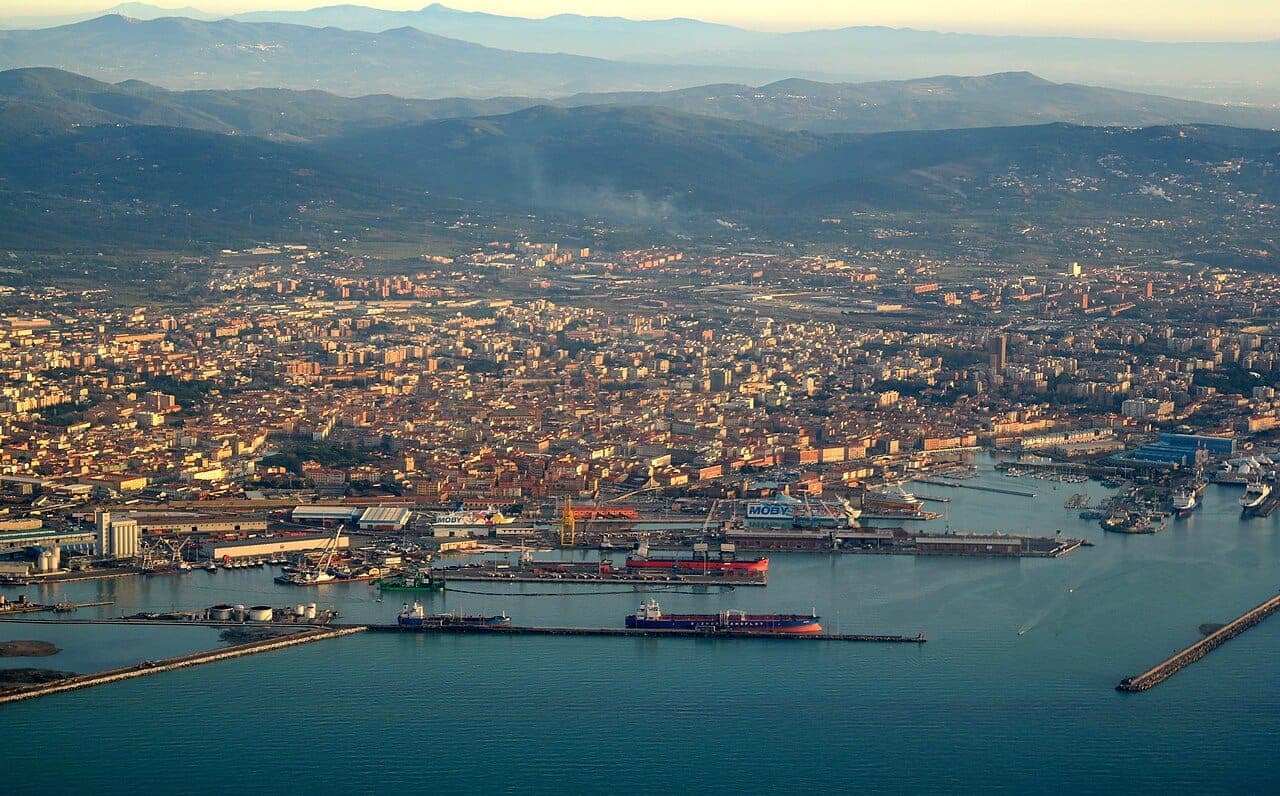
Livorno (Florence & Pisa)
Tuscany's cruise gateway — the Leaning Tower is 20 minutes away, Michelangelo's Florence about 90.
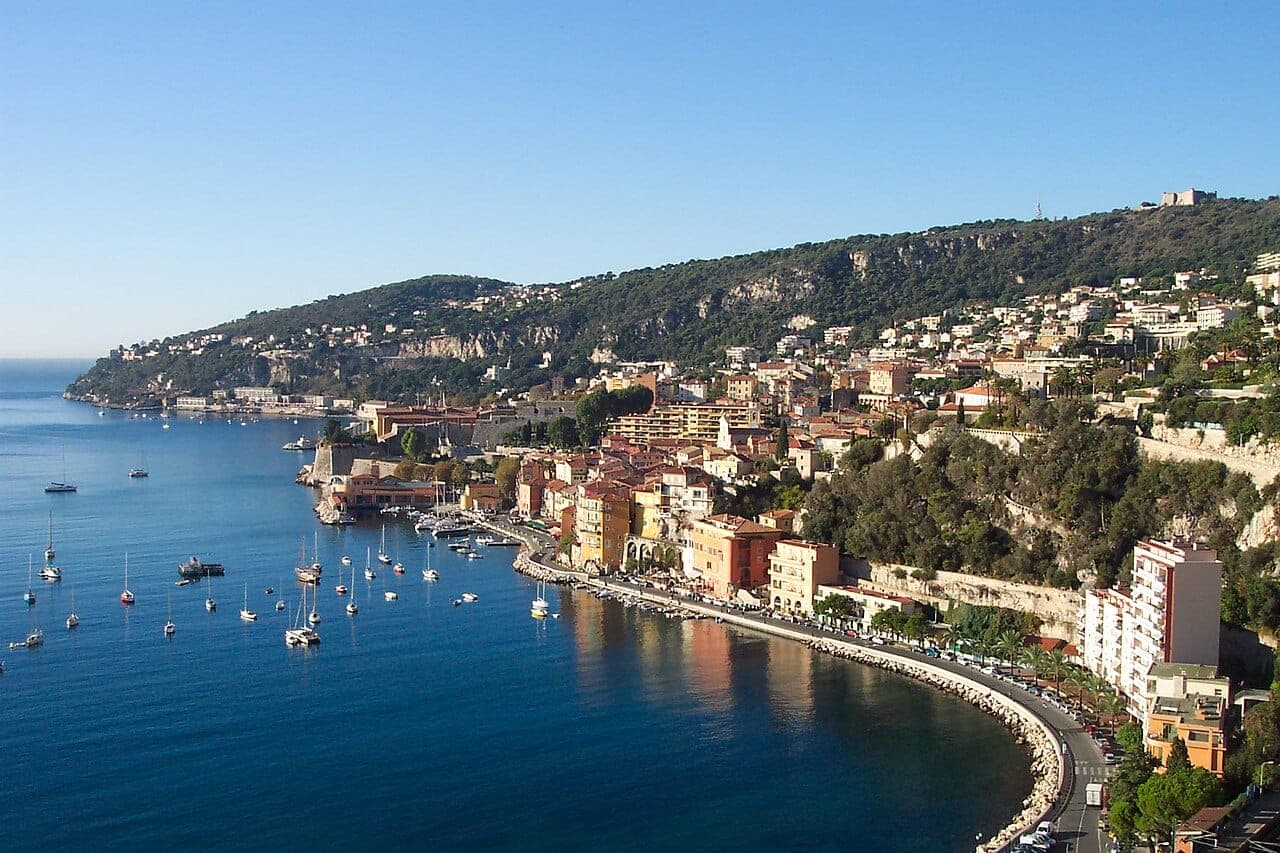
Nice (Villefranche-sur-Mer)
The French Riviera on a tender — Monaco, Nice, and Cannes all reachable by train from the bay.
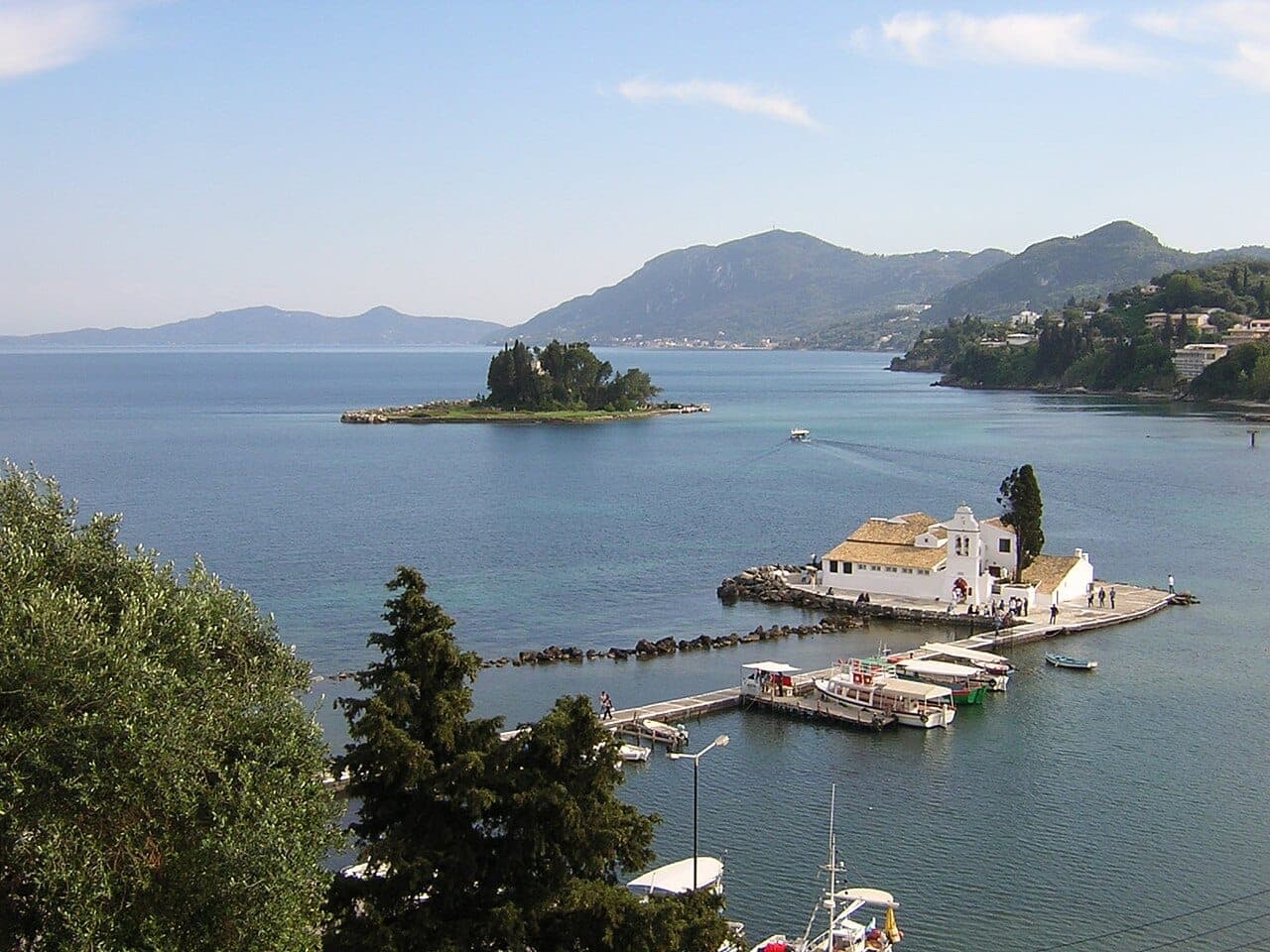
Corfu
Venetian old town, olive groves, and turquoise coves on the greenest of the Greek islands.
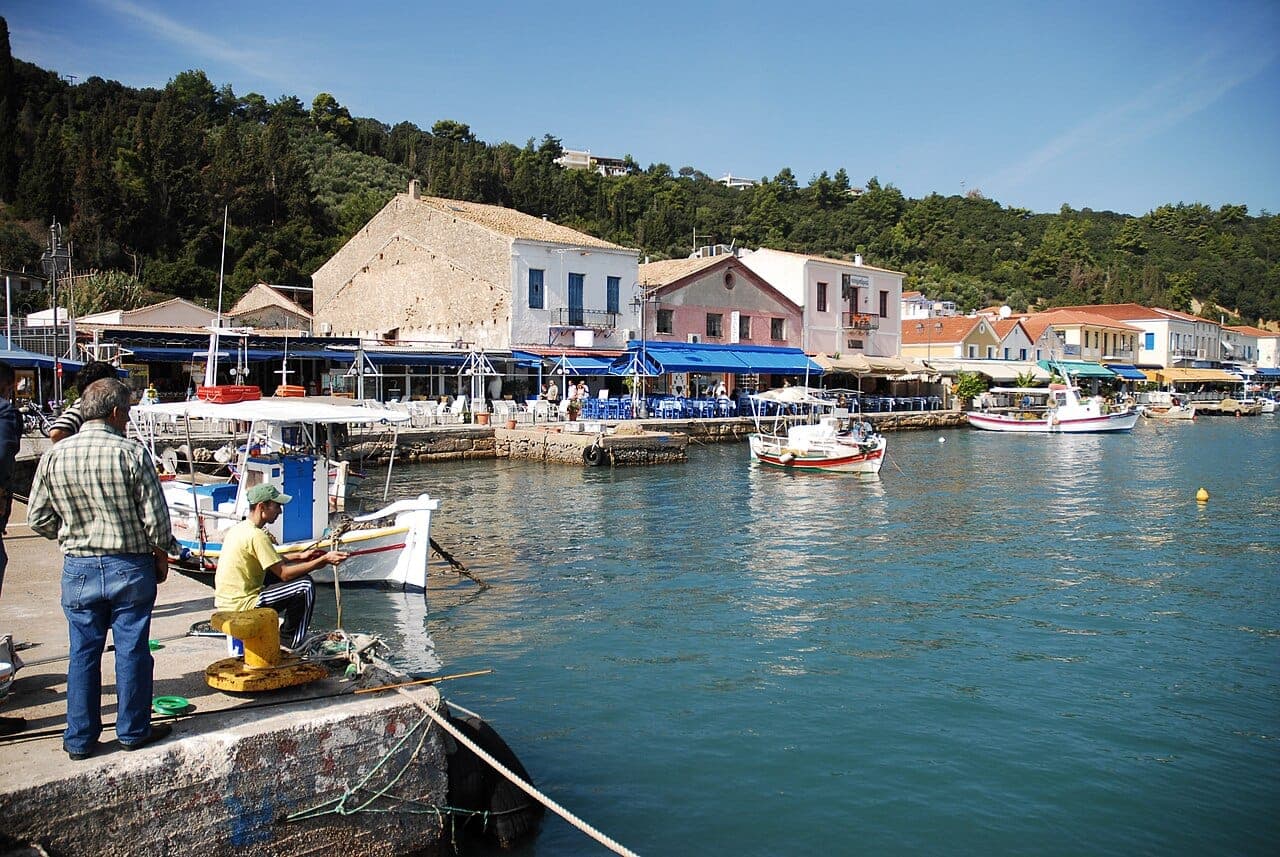
Katakolon (Olympia)
A tiny fishing village that's the gateway to Ancient Olympia, birthplace of the Olympic Games.
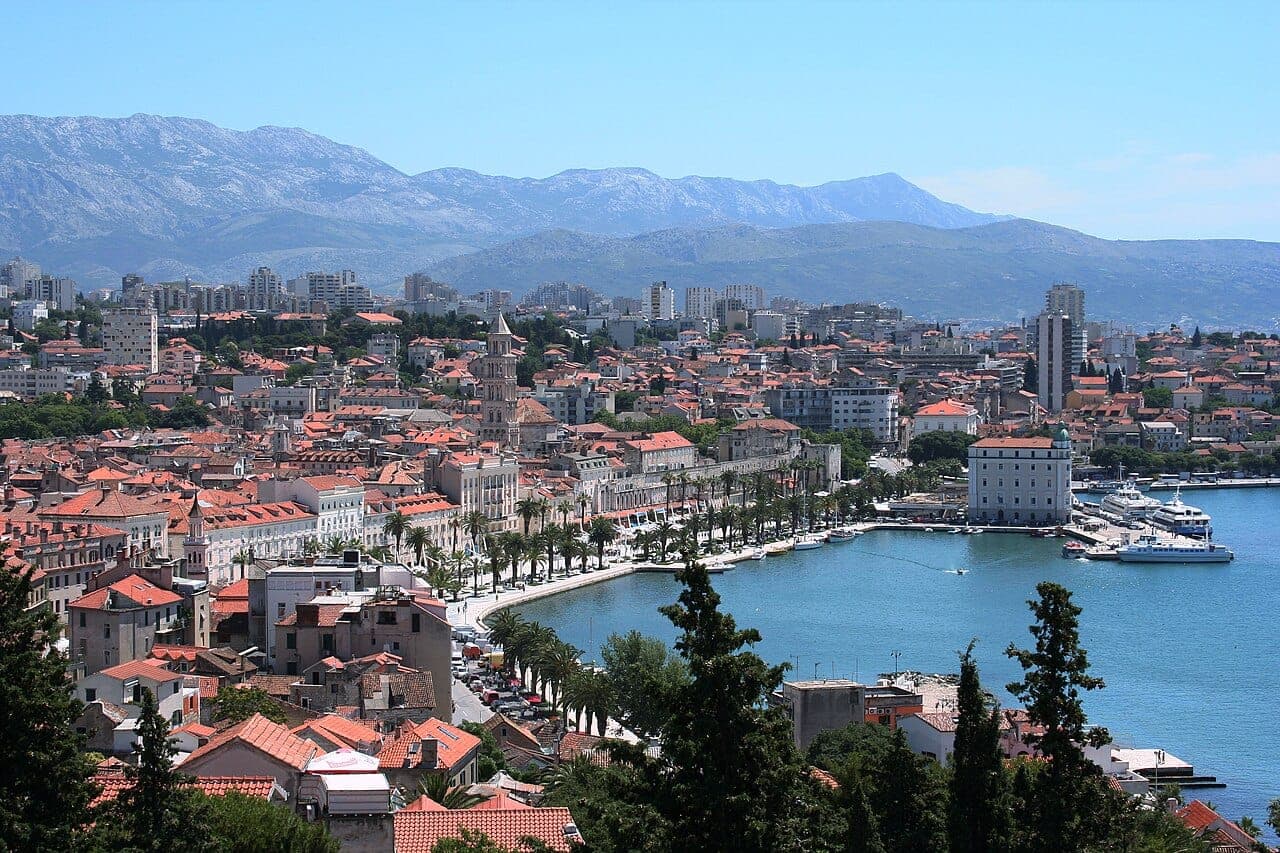
Split
A Roman emperor's palace that's still a living, breathing old town on the Dalmatian coast.
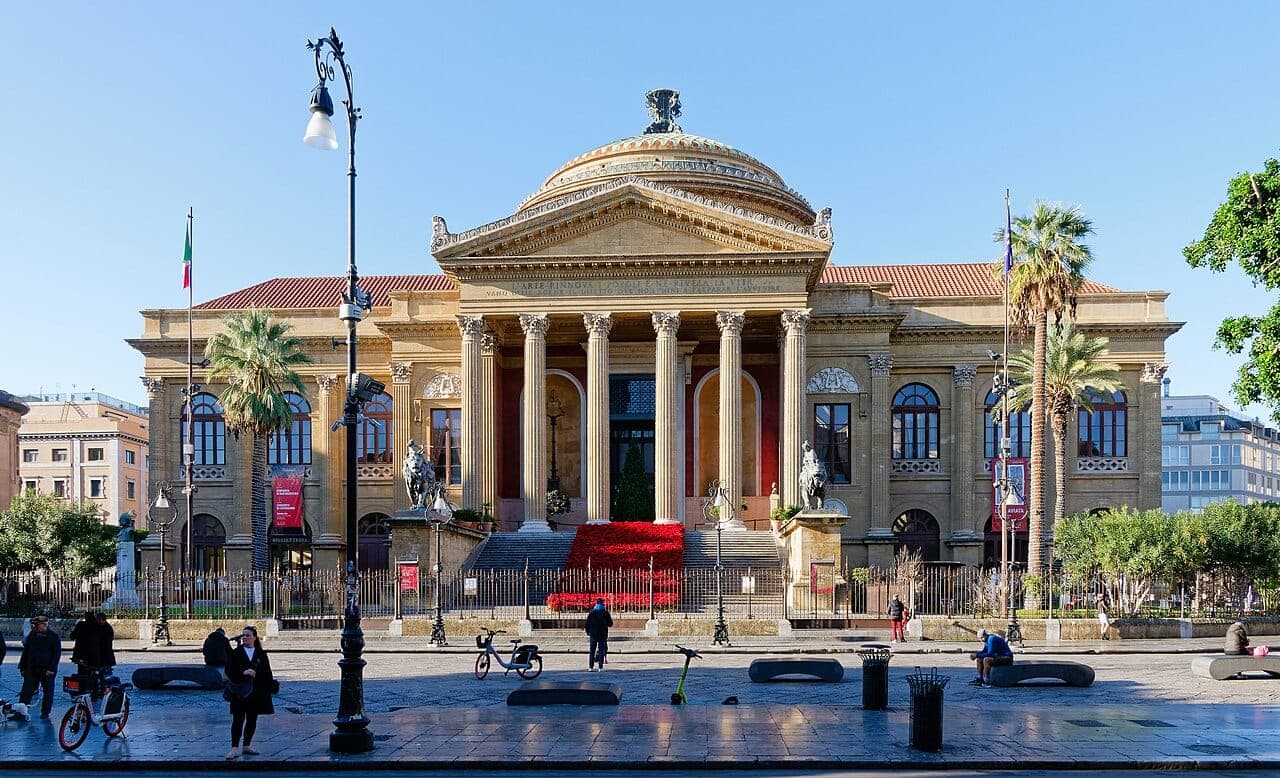
Palermo
Sicily's chaotic, delicious capital — Norman cathedrals, street markets, and Mondello Beach.
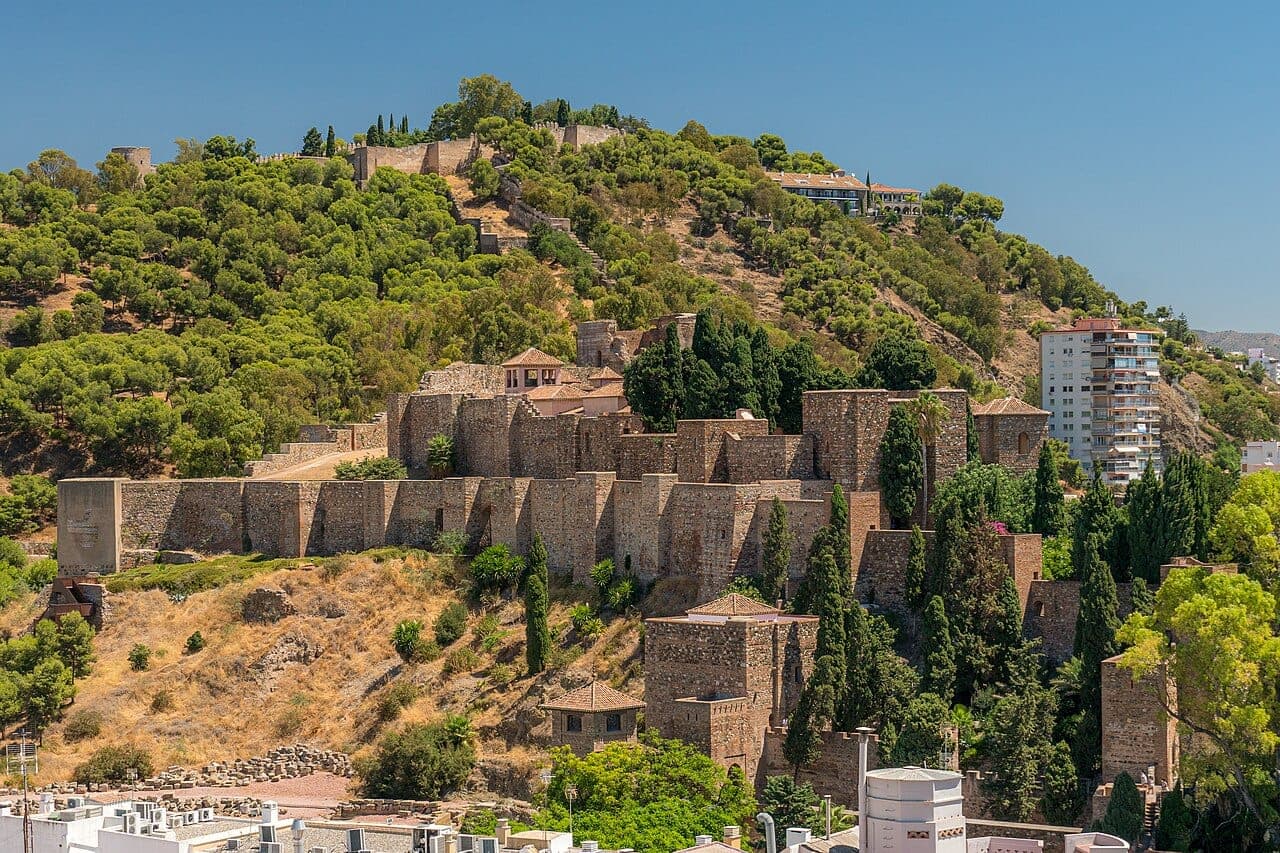
Málaga
Sun-soaked Andalusian city break with a walkable old town, tapas bars, and the Alhambra a day trip away.
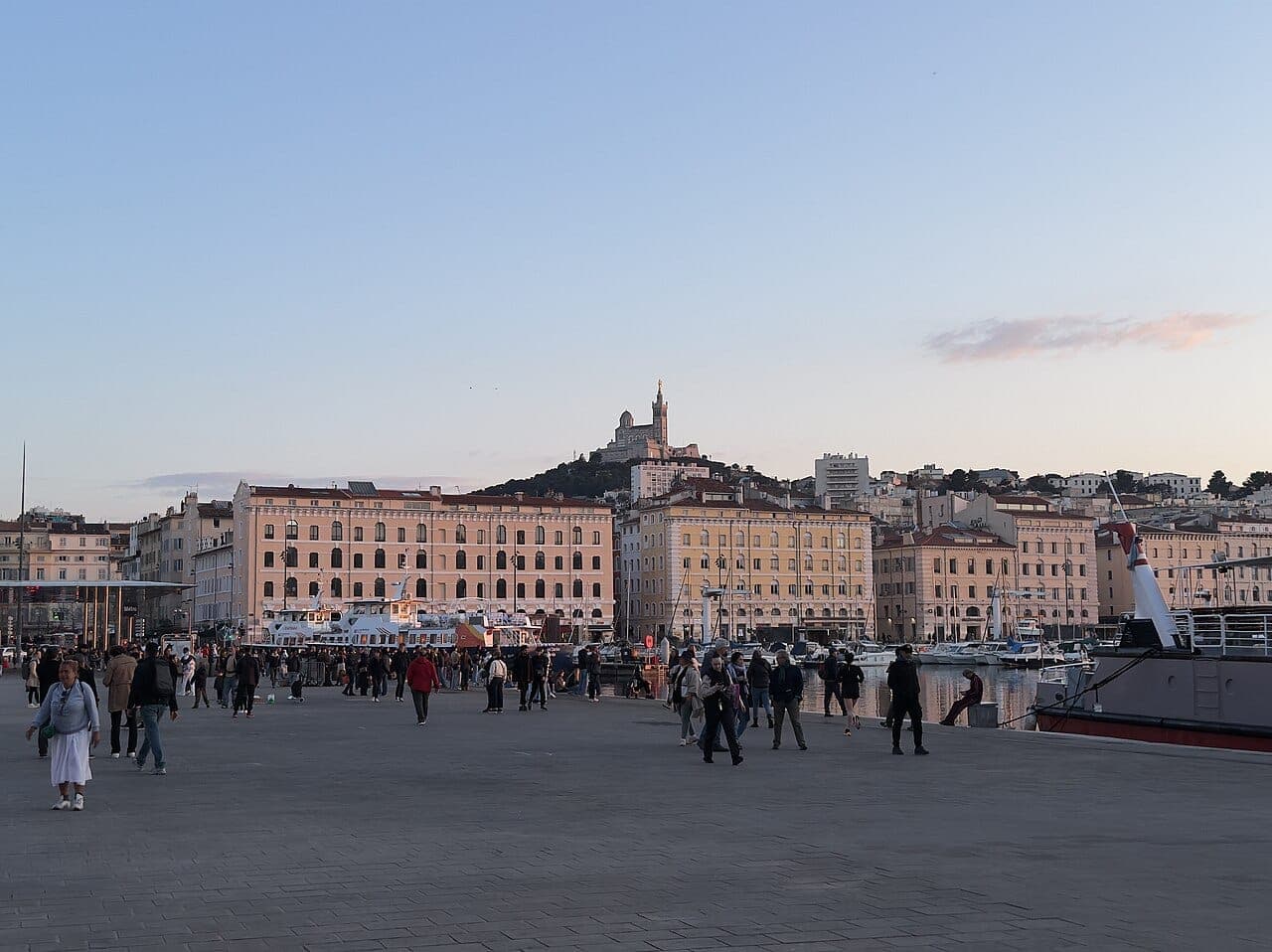
Marseille
France's oldest city — bouillabaisse, Notre-Dame de la Garde's hilltop views, and the gateway to Provence.
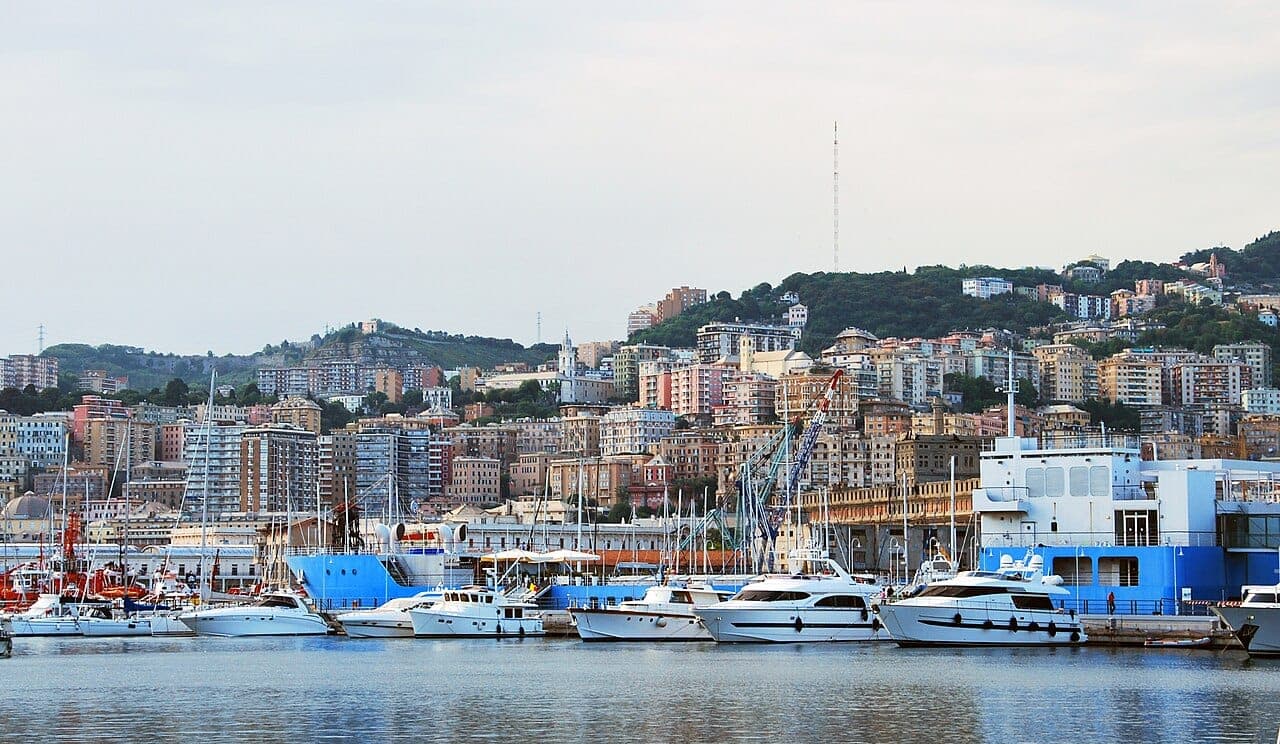
Genoa (Cinque Terre & Portofino)
Italy's grandest old port — pesto, palazzi, and the easiest launch point for Cinque Terre and Portofino.
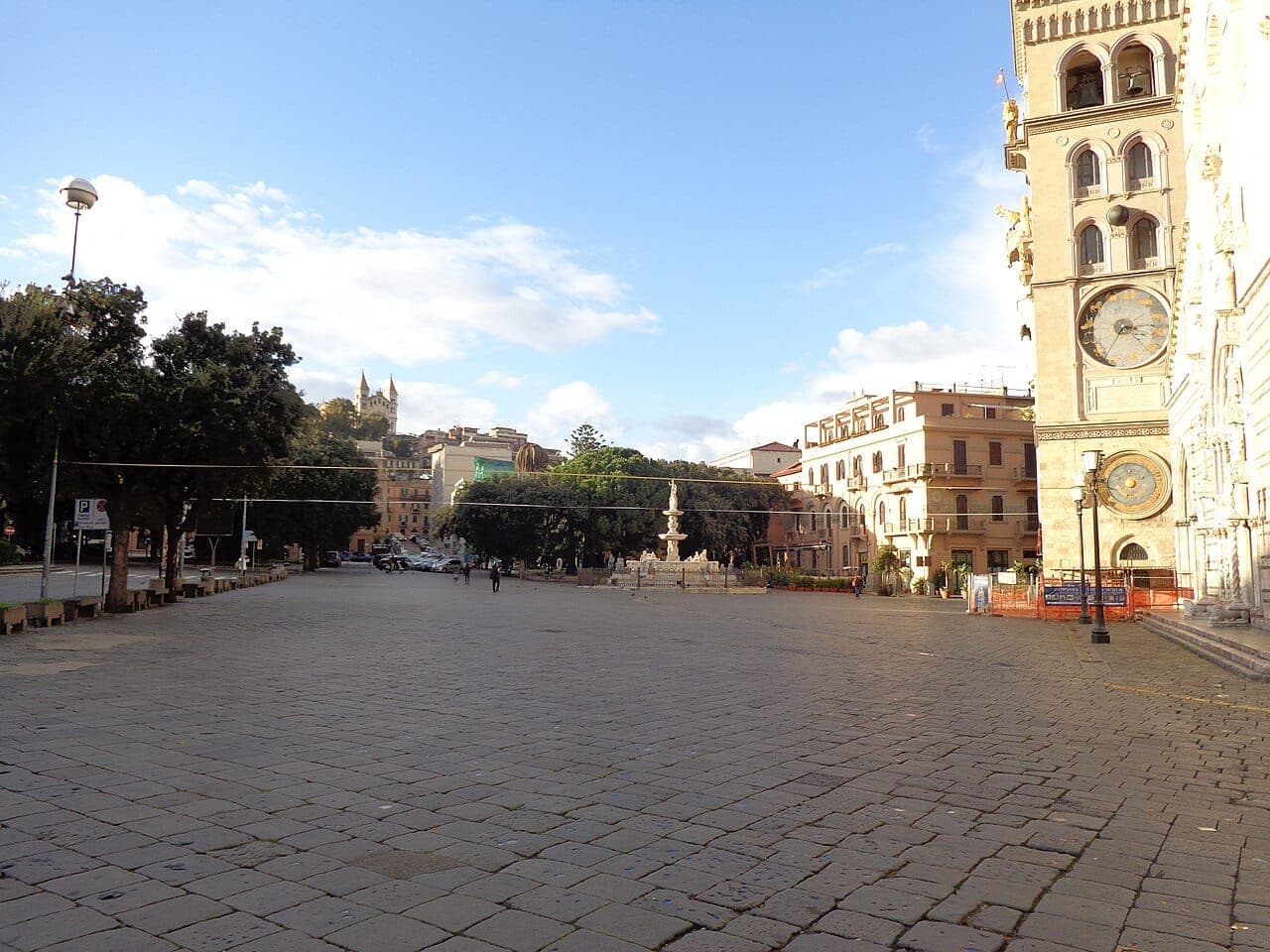
Messina (Taormina & Mount Etna)
Sicily's gateway port — a walkable old town of its own, with Taormina's clifftop views and Mount Etna both within reach.
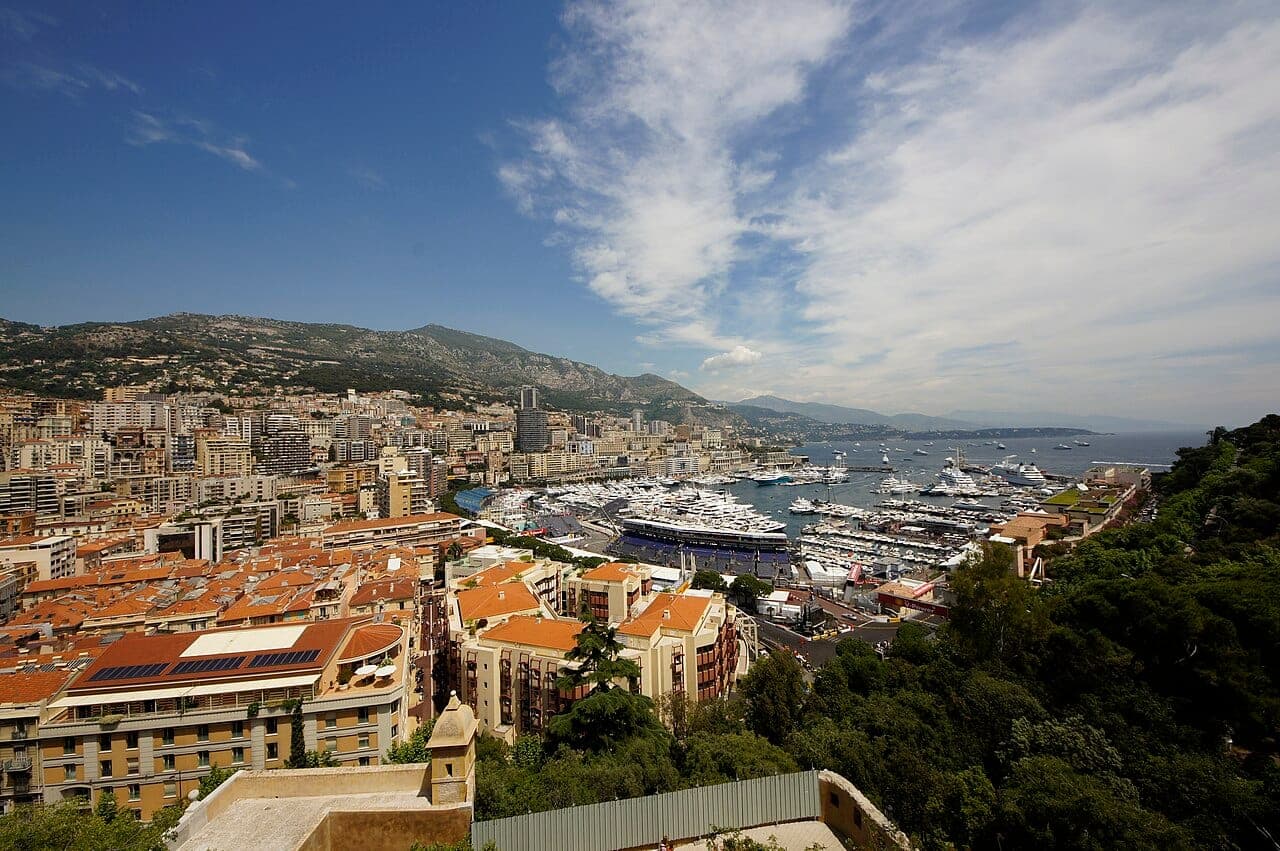
Monaco (Monte Carlo)
The world's second-smallest country — a casino, a palace, and a harbour of superyachts, all within a 10-minute walk.
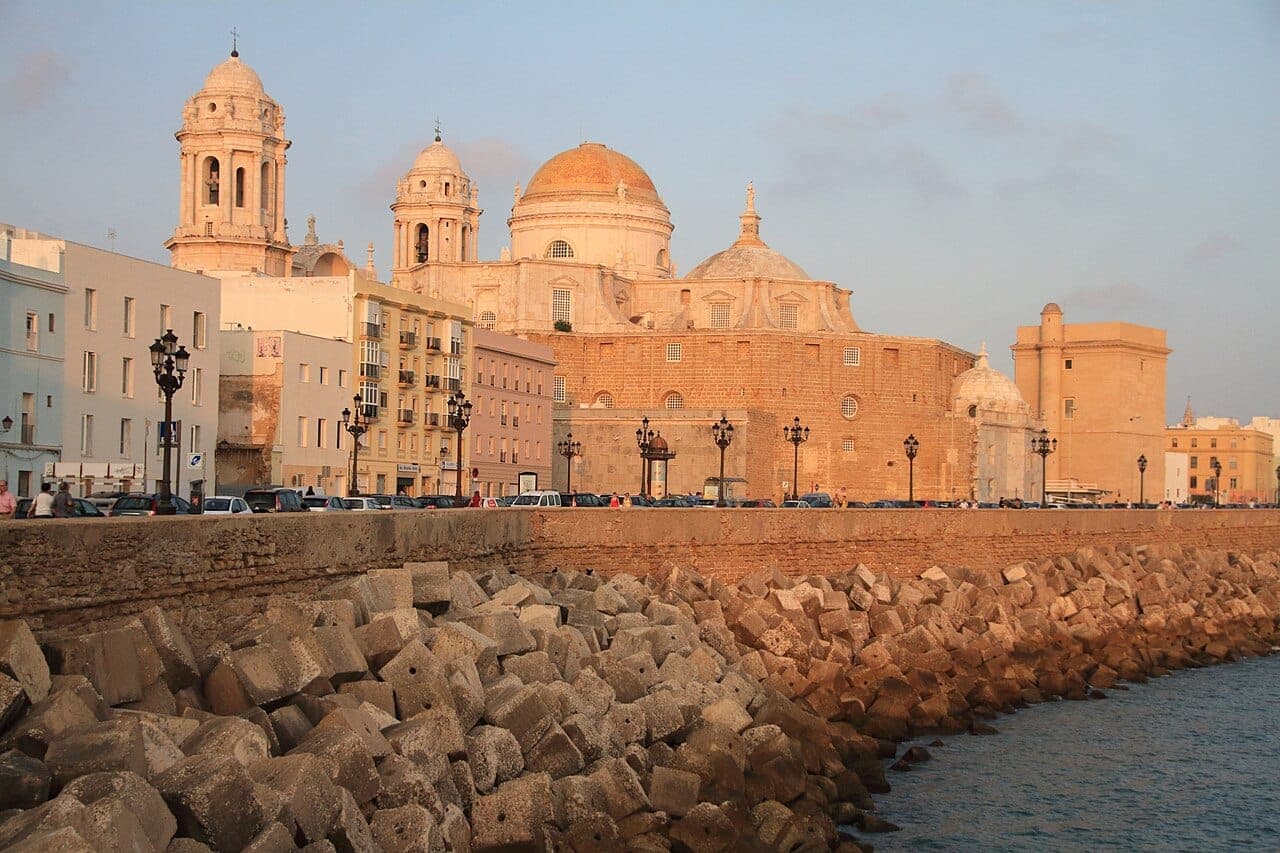
Cádiz (Seville)
Western Europe's oldest city, a golden-domed cathedral on the water, and the easiest launch point for Seville.
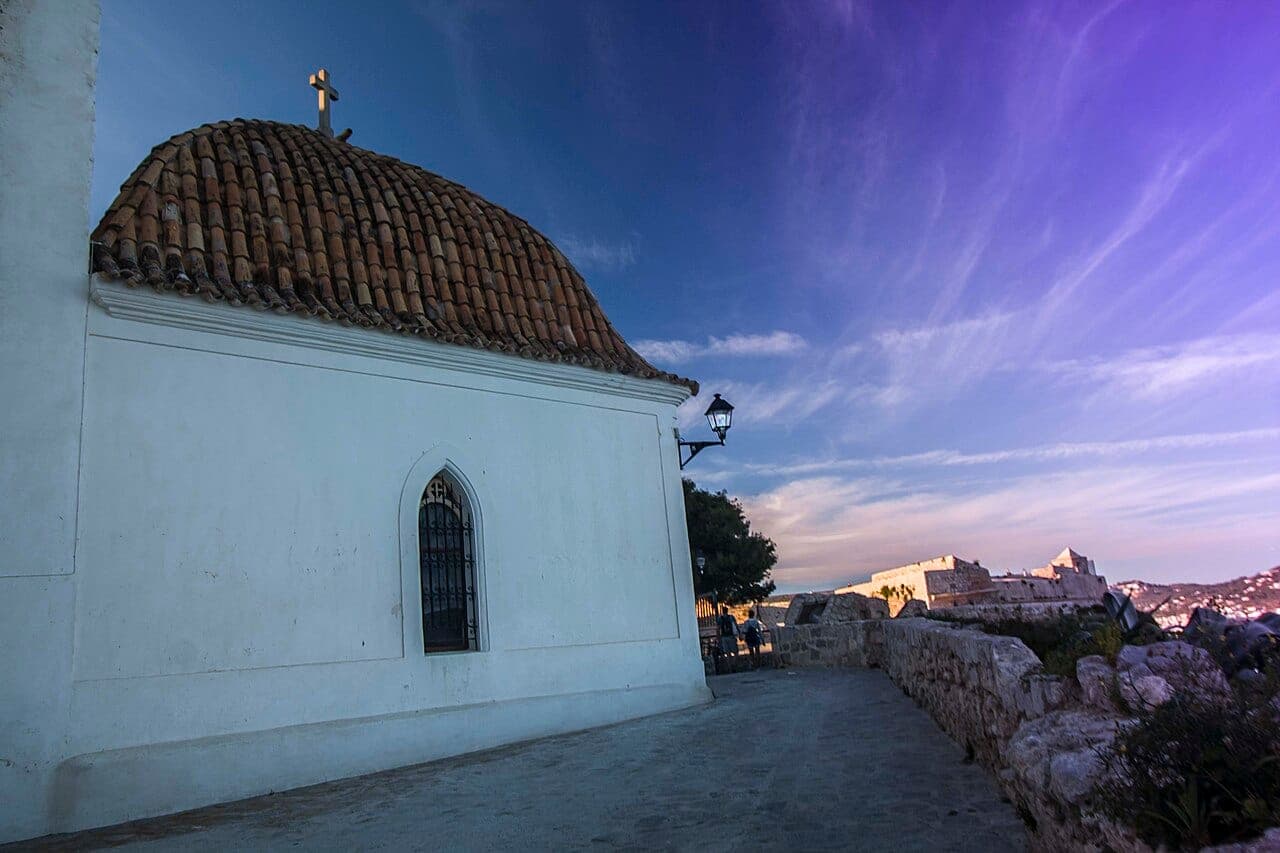
Ibiza
A UNESCO-listed walled old town by day, famous beach clubs by afternoon — Ibiza works well beyond the nightlife reputation.
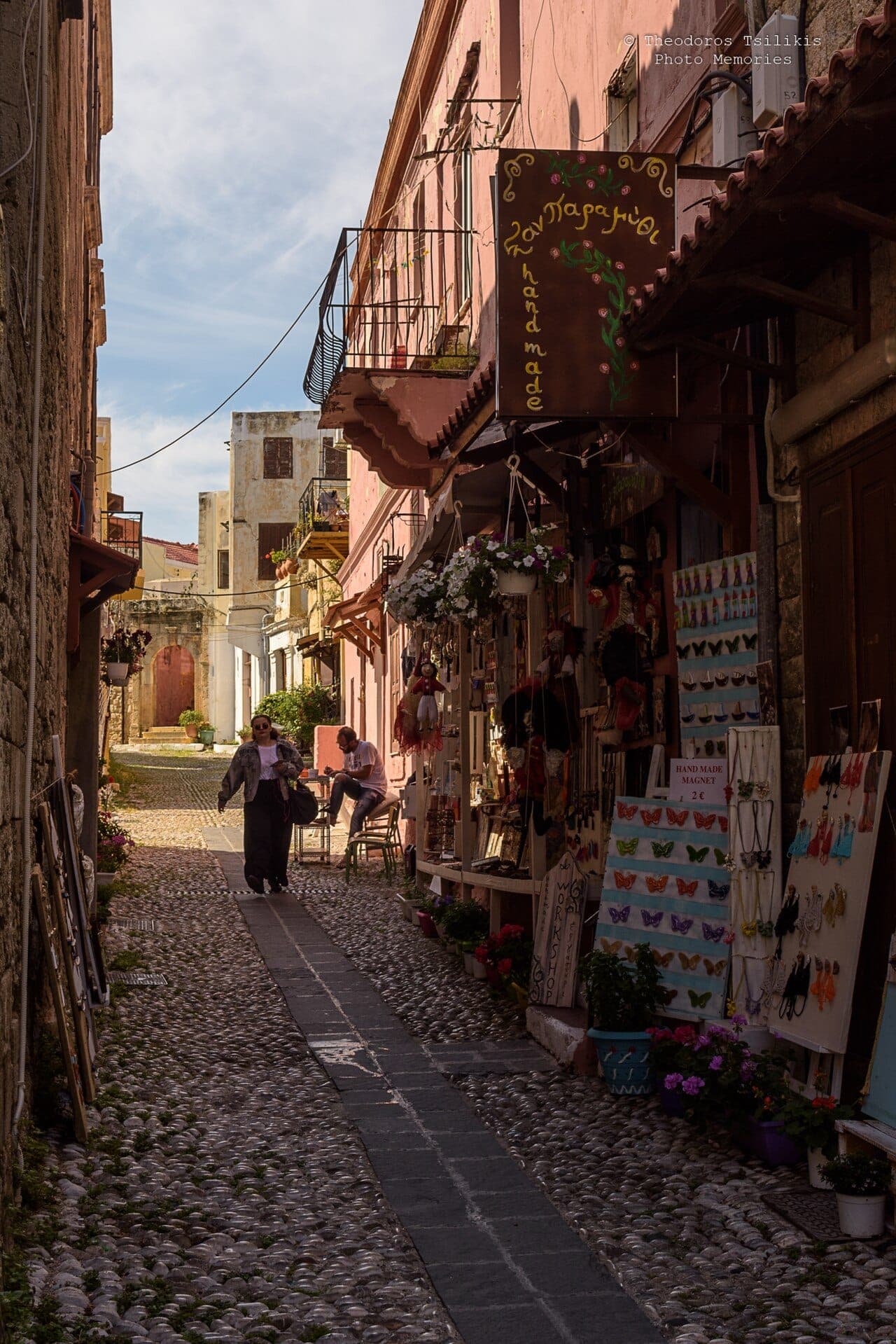
Rhodes (Lindos)
A UNESCO medieval walled city right at the pier, with the clifftop village of Lindos an hour further south.
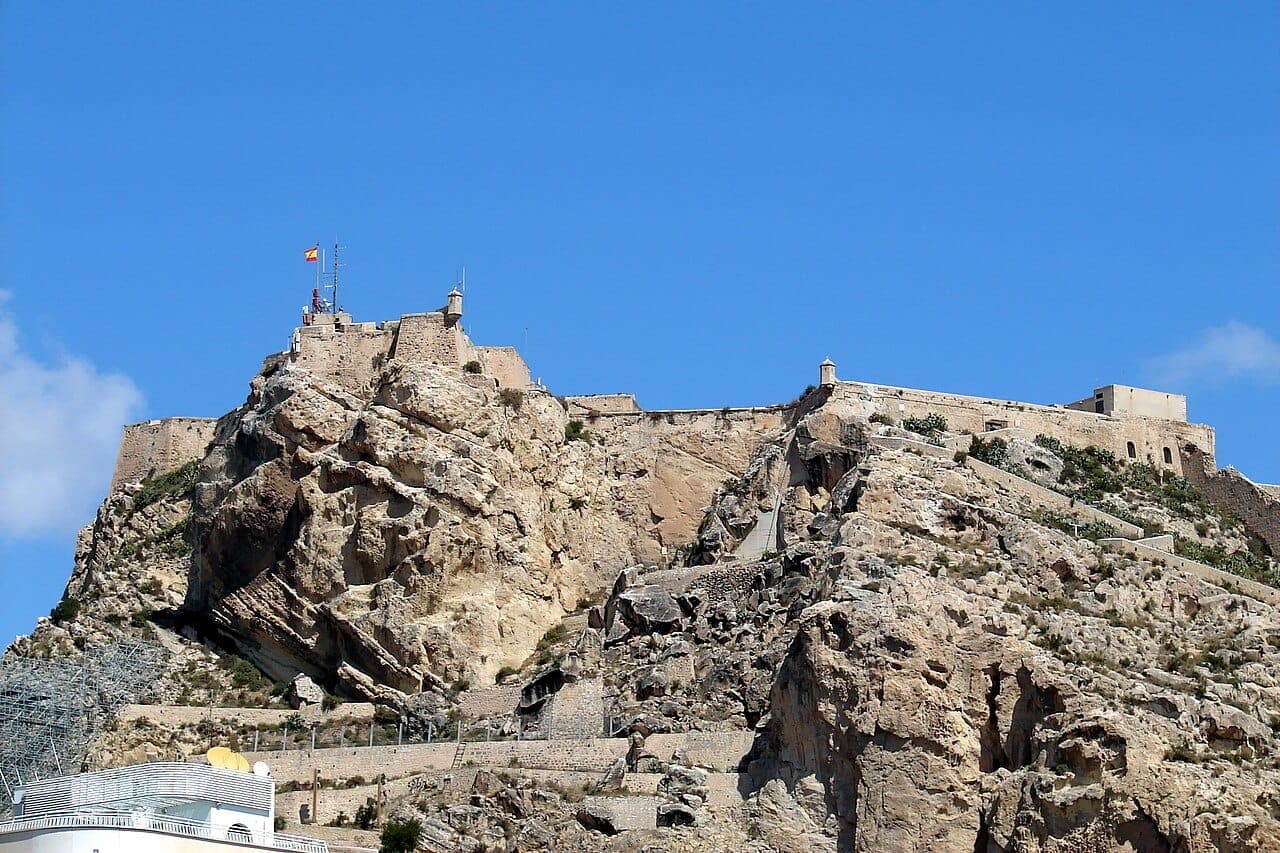
Alicante
A hilltop castle, a beach steps from the pier, and Spain's nougat capital — an easy, walkable port day.
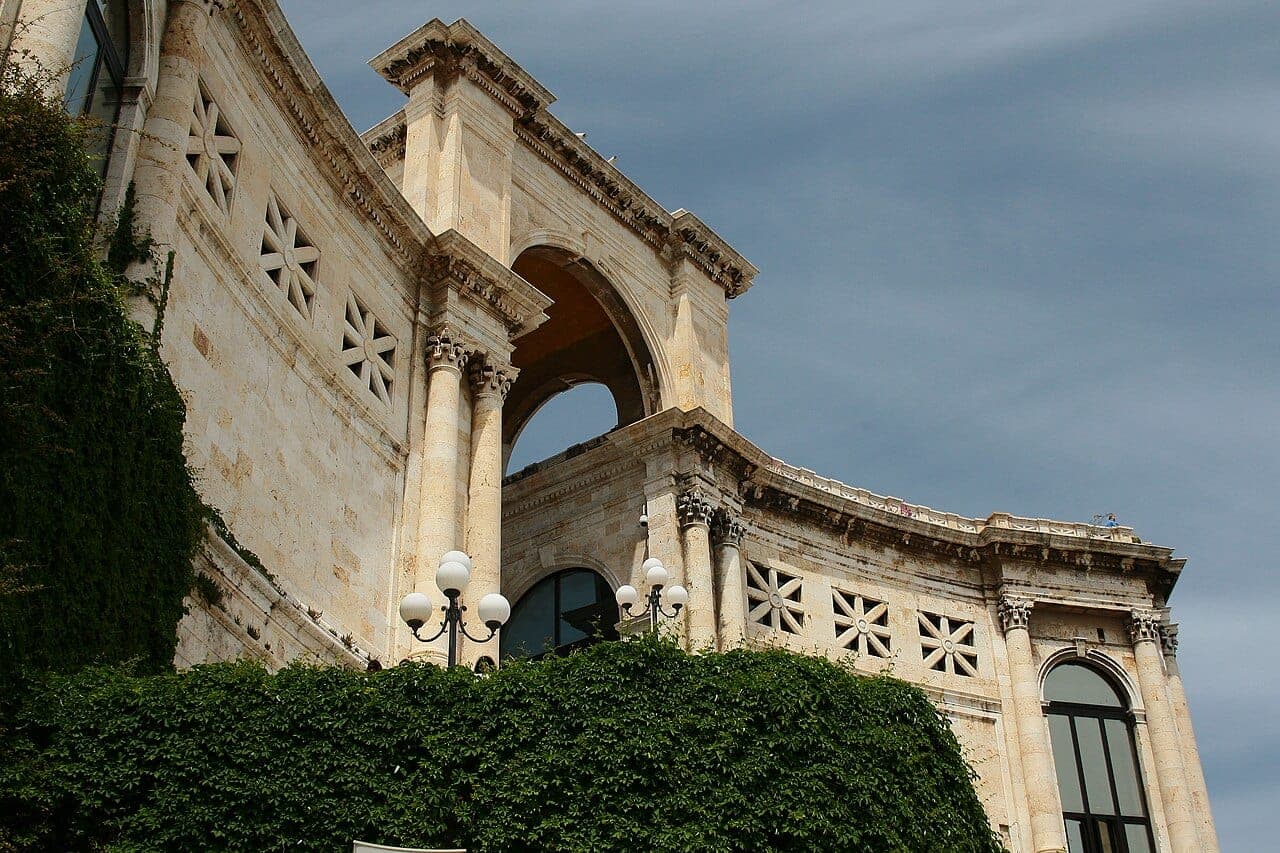
Cagliari
Sardinia's capital — a hilltop medieval quarter, panoramic bastions, and eight kilometres of city beach.
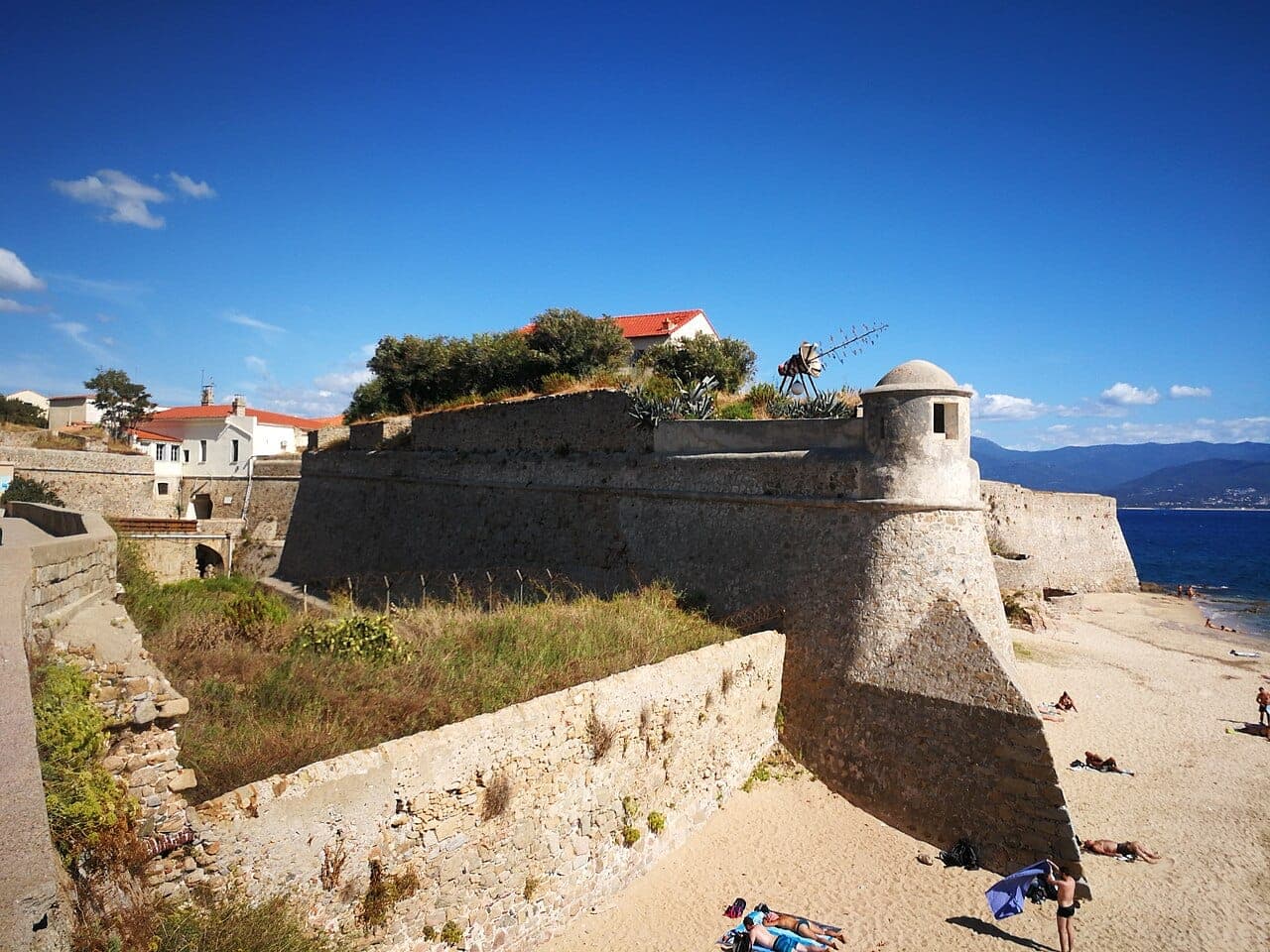
Ajaccio
Napoleon's birthplace — a citadel, a beach, and Corsican mountains, all within a short walk of the pier.
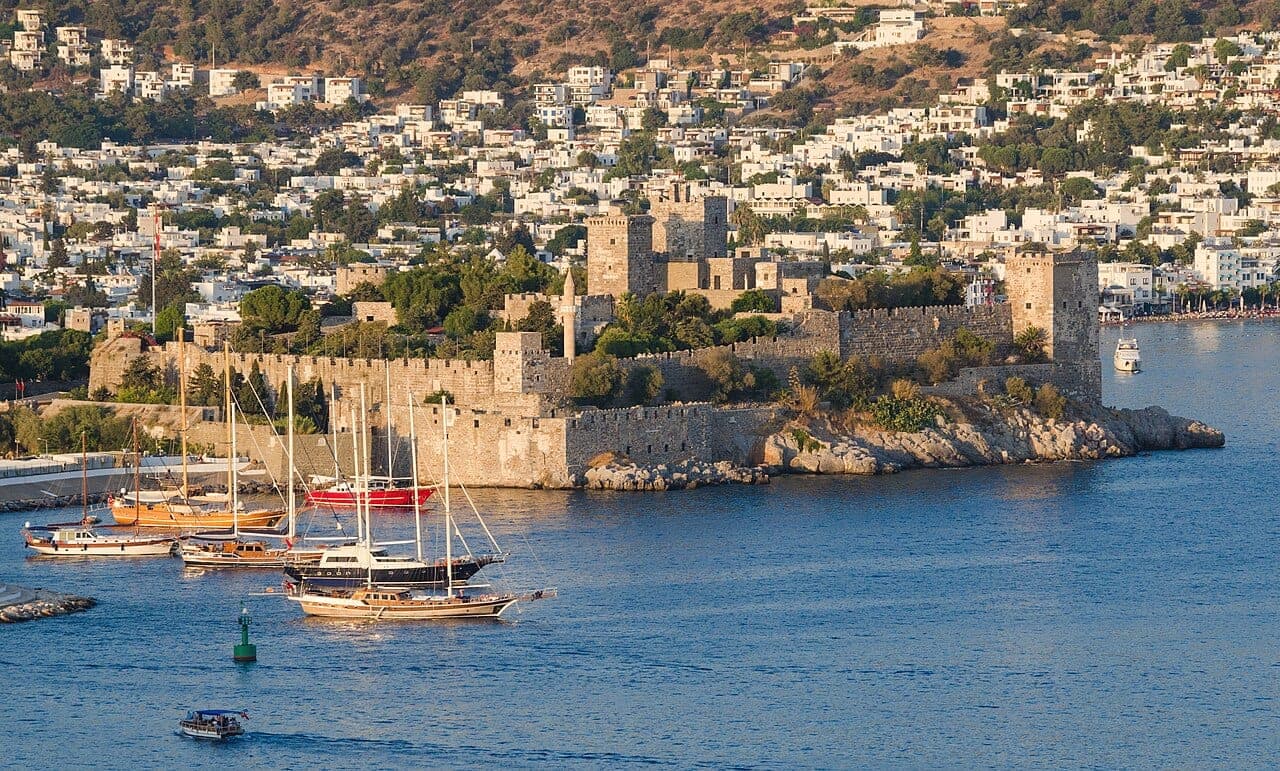
Bodrum
A crusader castle guards the harbour, one of the Seven Wonders once stood nearby, and the bazaar is right off the pier.
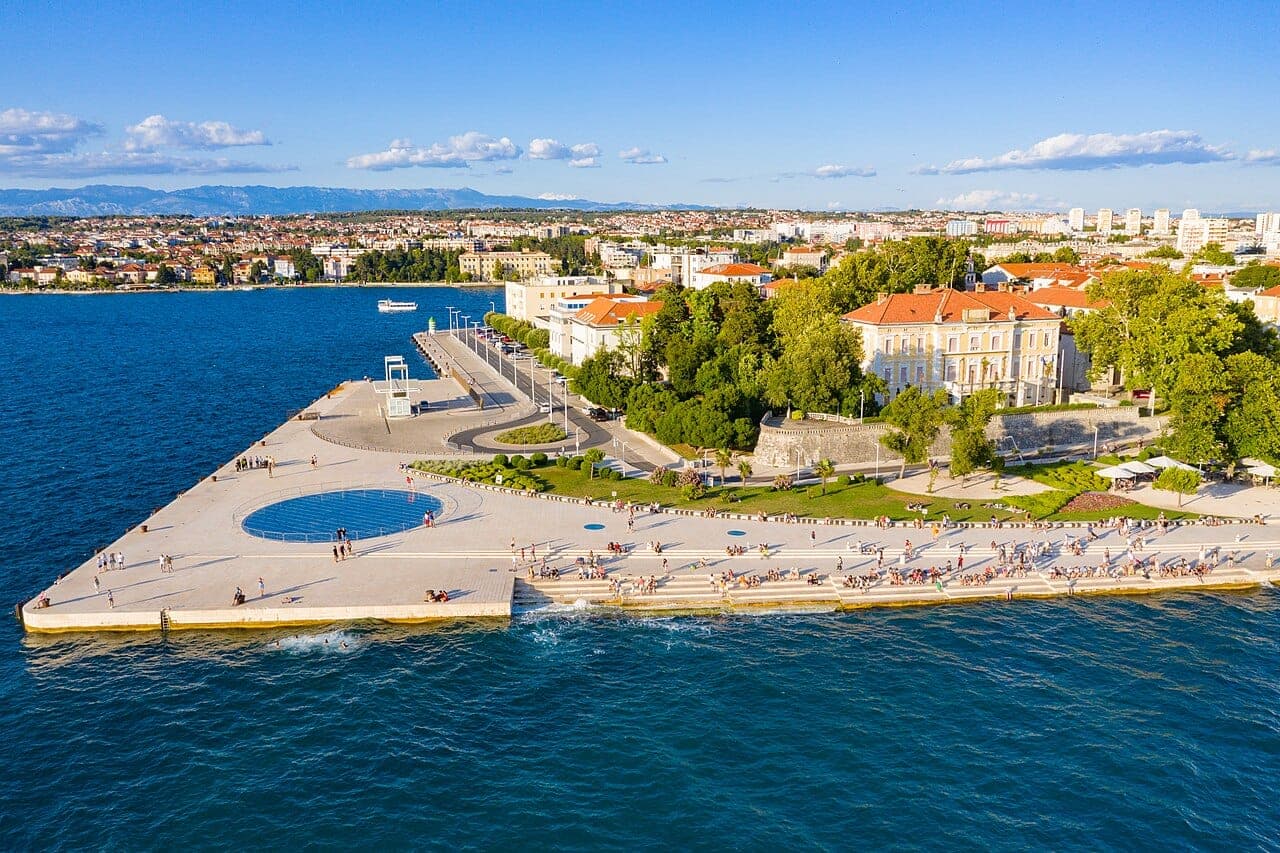
Zadar
A 3,000-year-old old town, an ocean-powered musical instrument, and Alfred Hitchcock's favourite sunset.
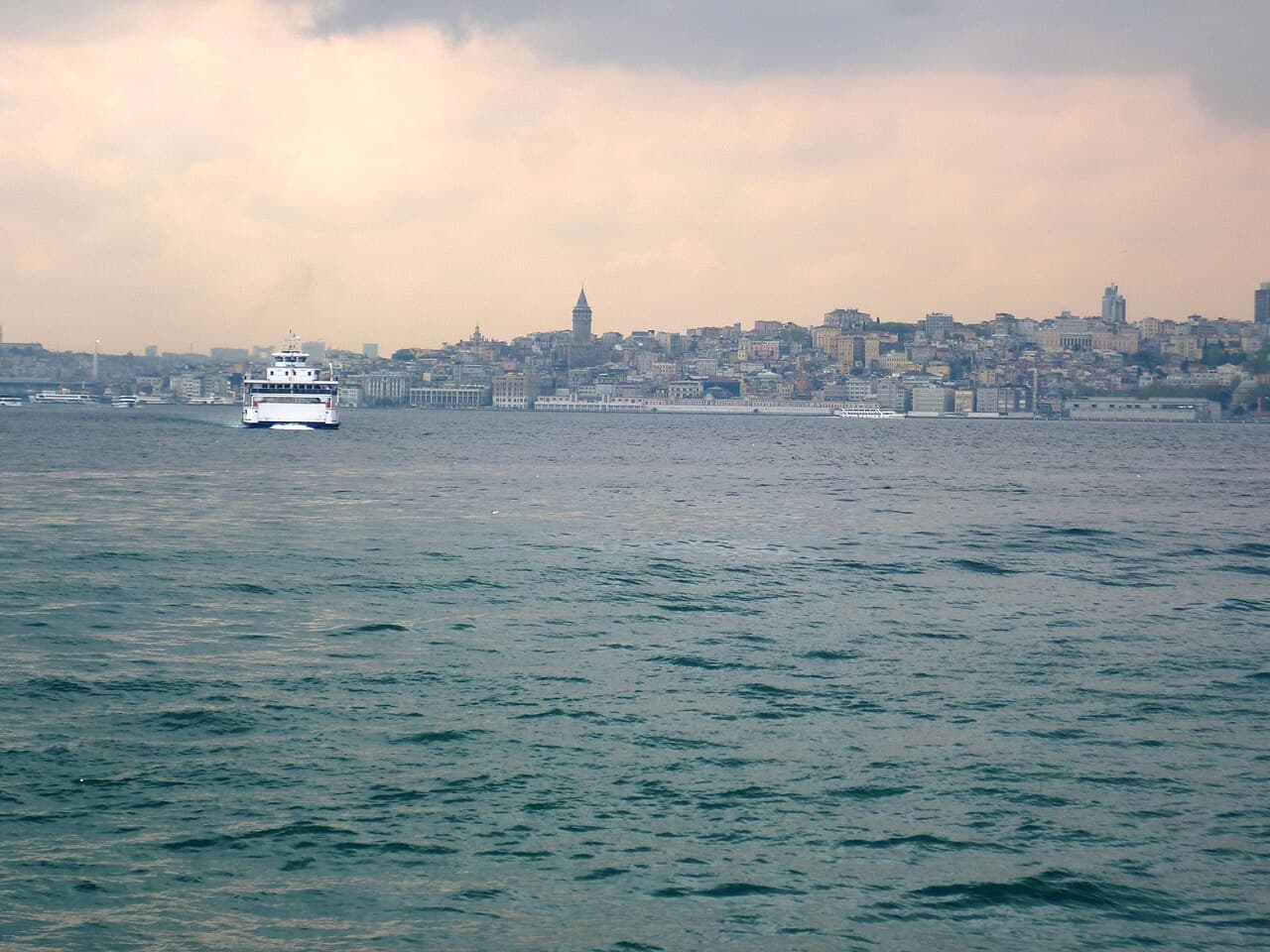
Istanbul
Two continents, a thousand years of mosques and bazaars — and a cruise terminal right on the Bosphorus.
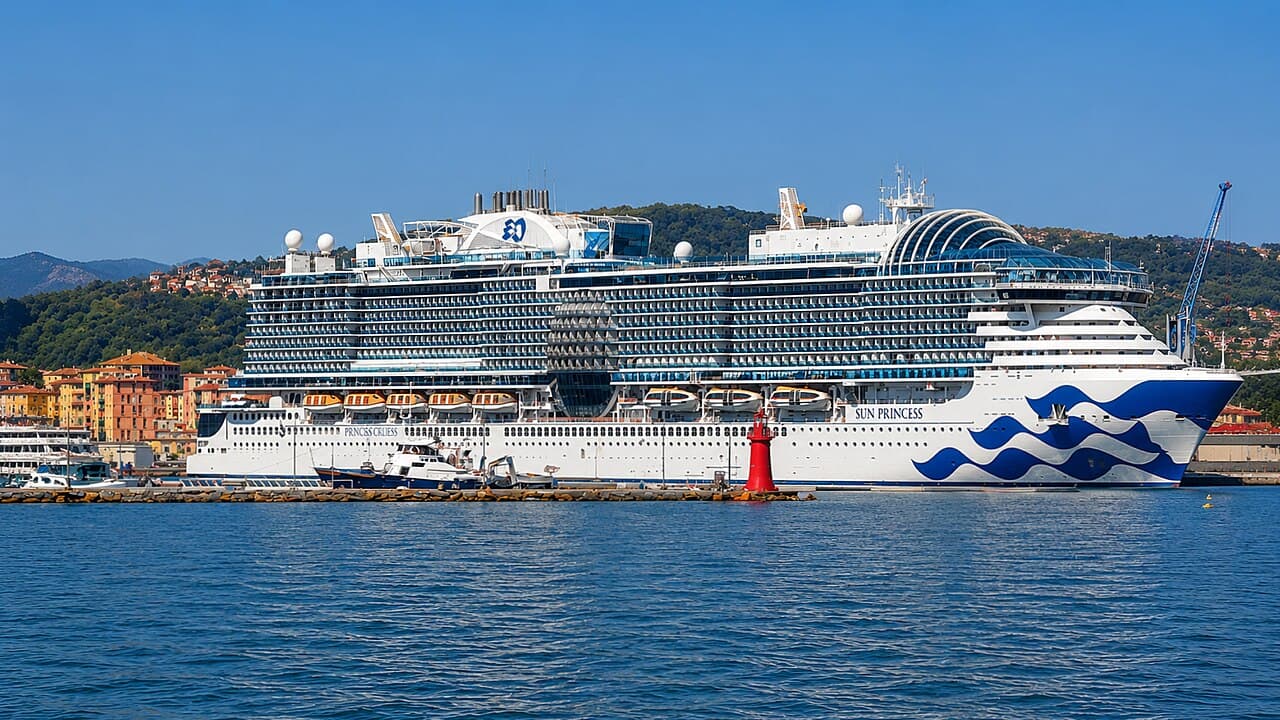
La Spezia (Cinque Terre)
The gateway to the Cinque Terre — five clifftop villages, one short train ride from the ship.
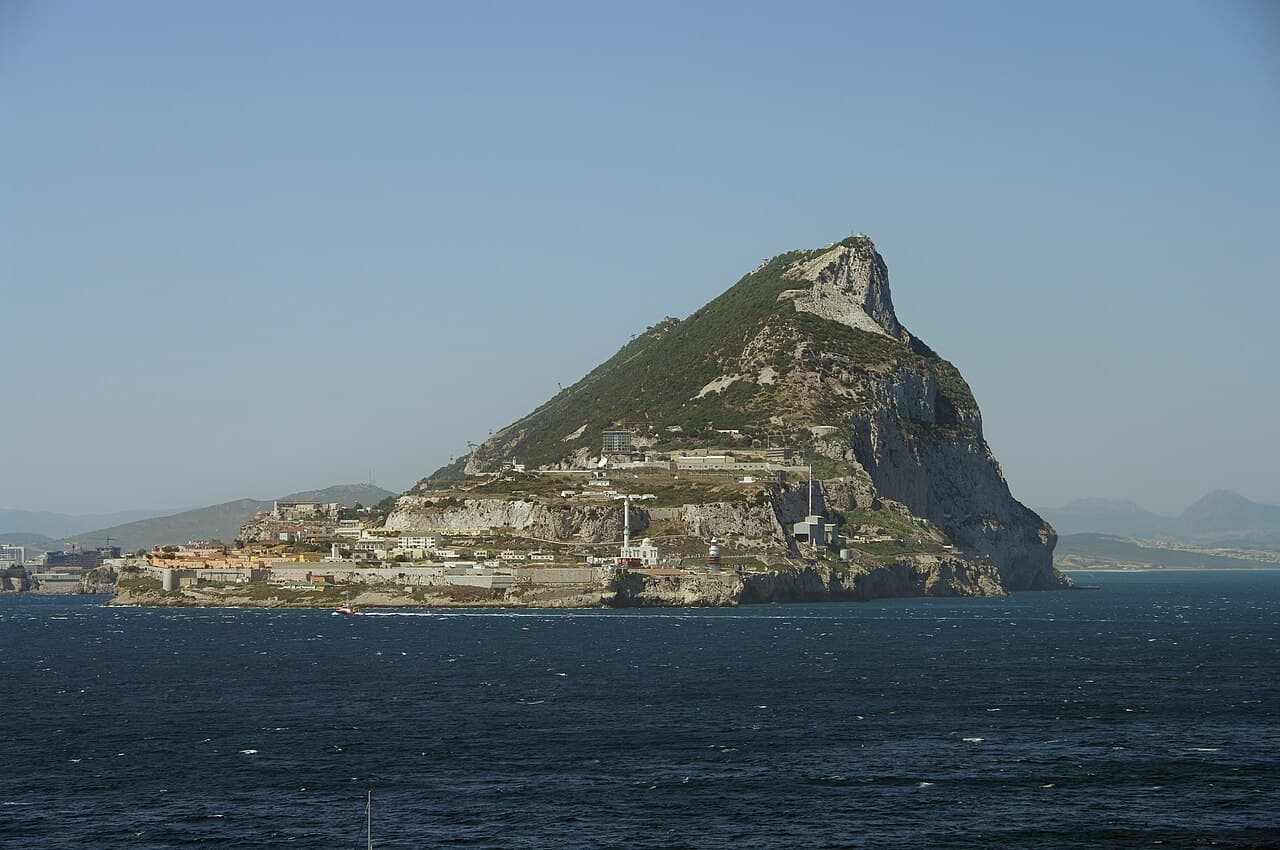
Gibraltar
A British-flavoured town under a 426-metre limestone Rock — with wild monkeys, tunnels and Atlantic views.
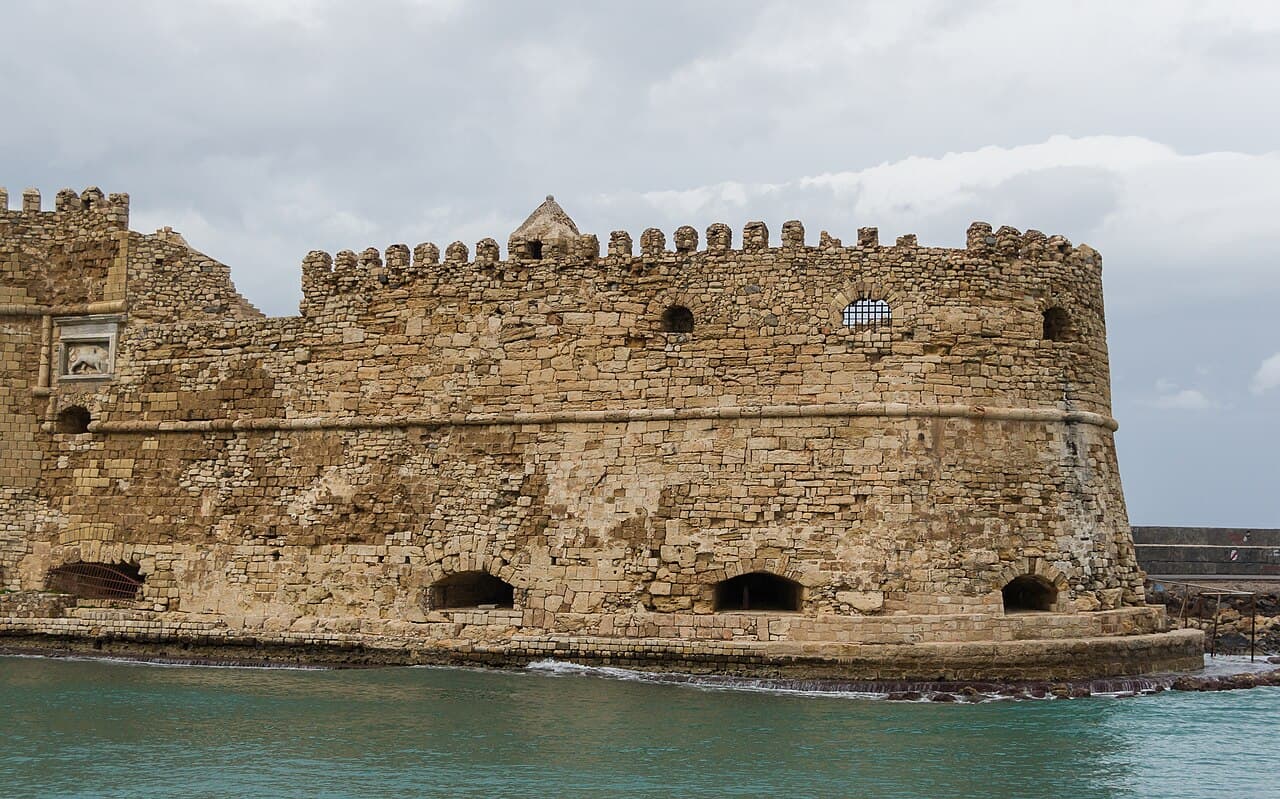
Heraklion (Crete)
Crete's capital — the Minoan palace of Knossos, a Venetian harbour fortress, and Greece's best archaeology museum.
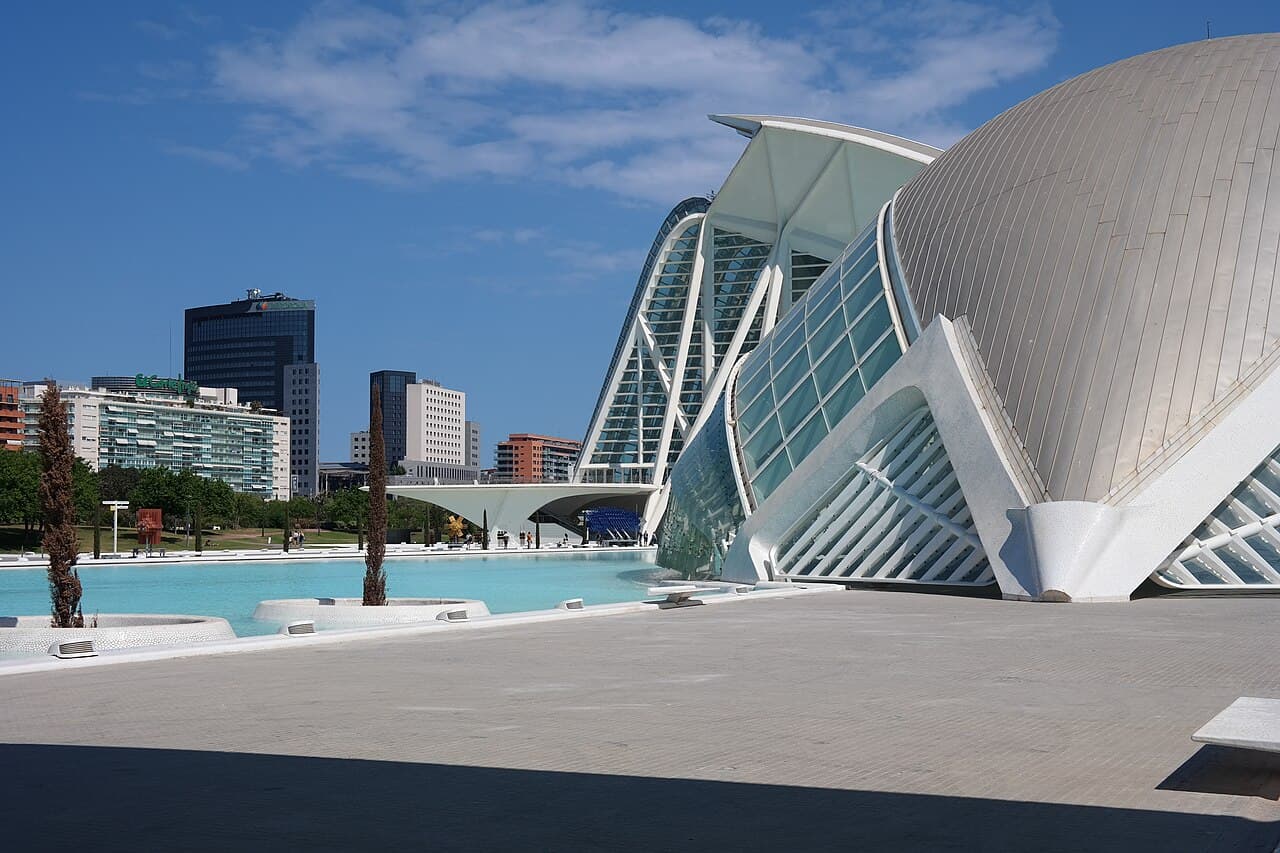
Valencia
Spain's third city — the birthplace of paella, a futuristic arts complex, and a Gothic old town.
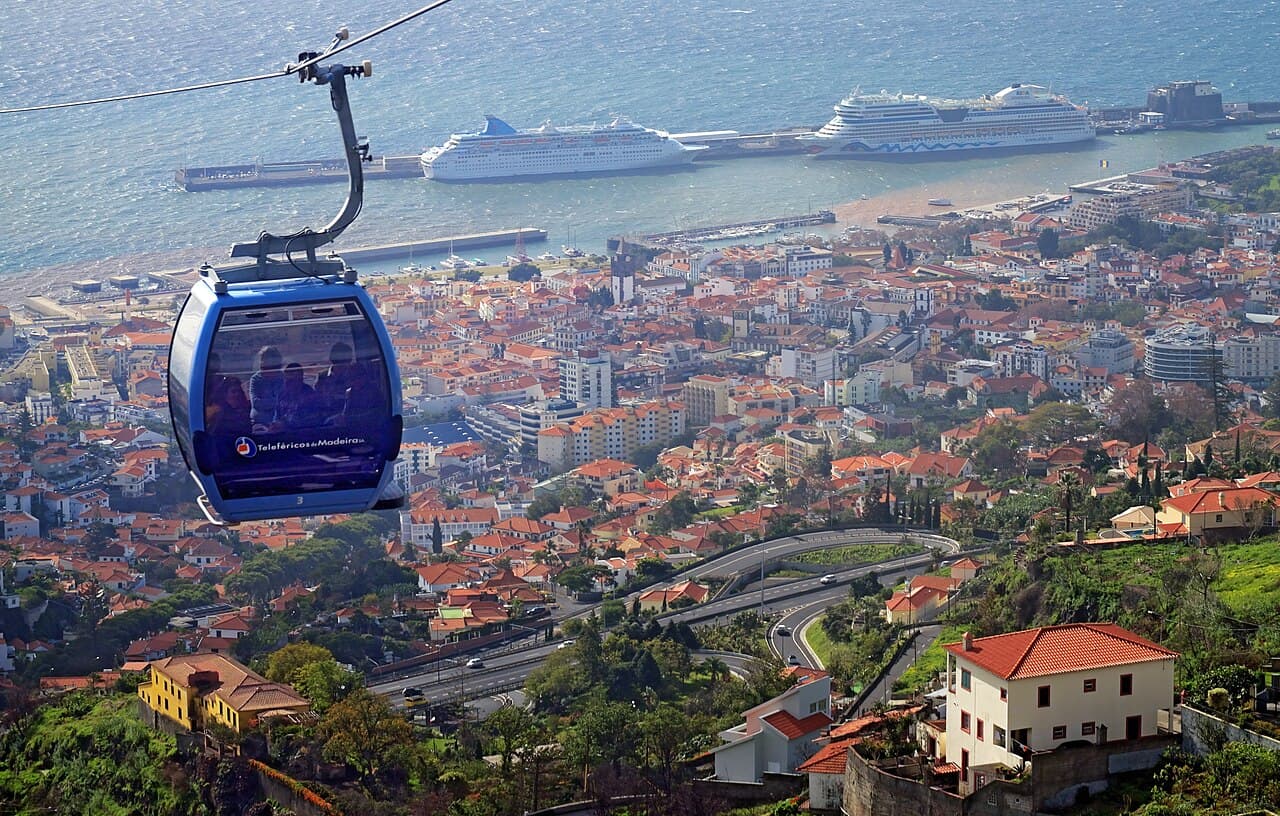
Funchal (Madeira)
Madeira's flower-draped capital — cable cars, wicker toboggans and seaside cliff walks.
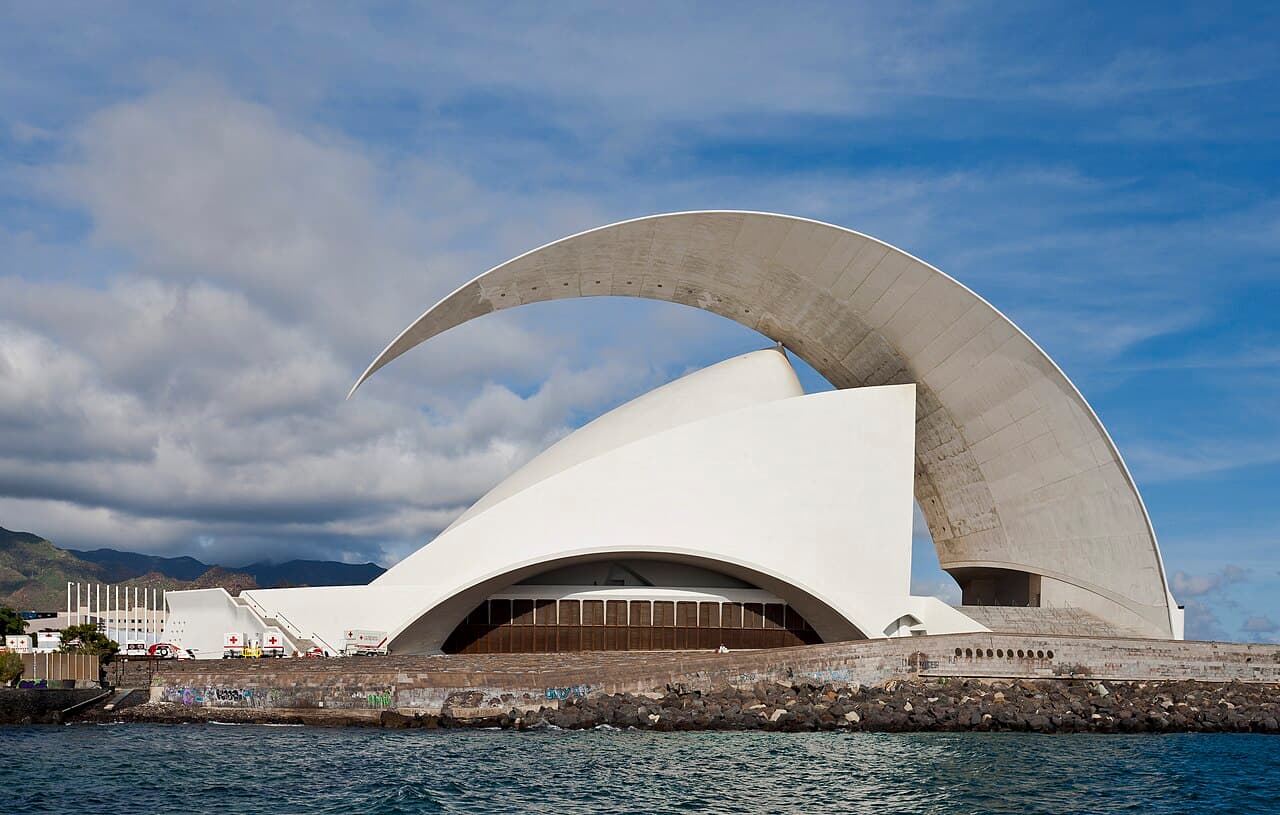
Santa Cruz de Tenerife
Spain's volcano island — Mount Teide, black-sand beaches and a laid-back Canary capital.
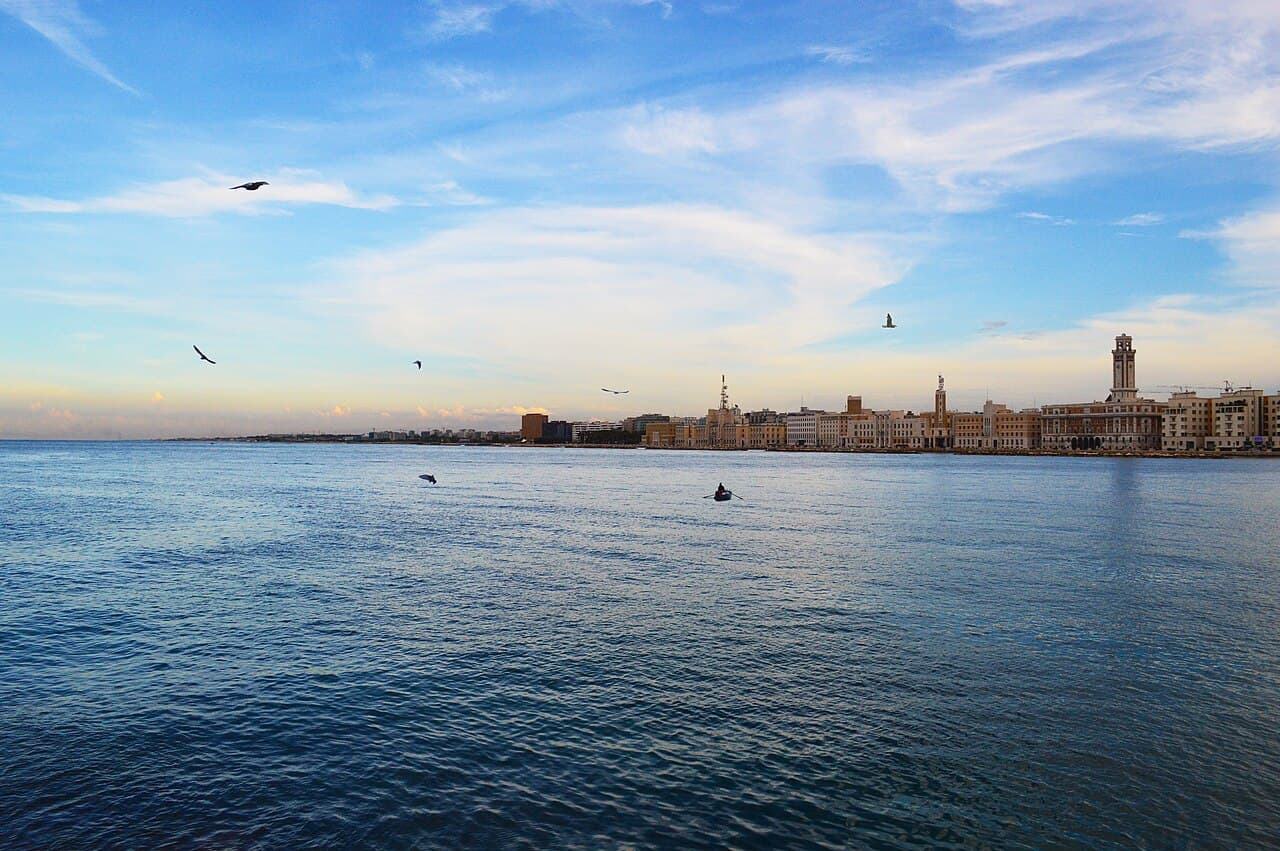
Bari
Puglia's port city — a maze of old-town lanes, handmade orecchiette, and the gateway to Alberobello and Matera.
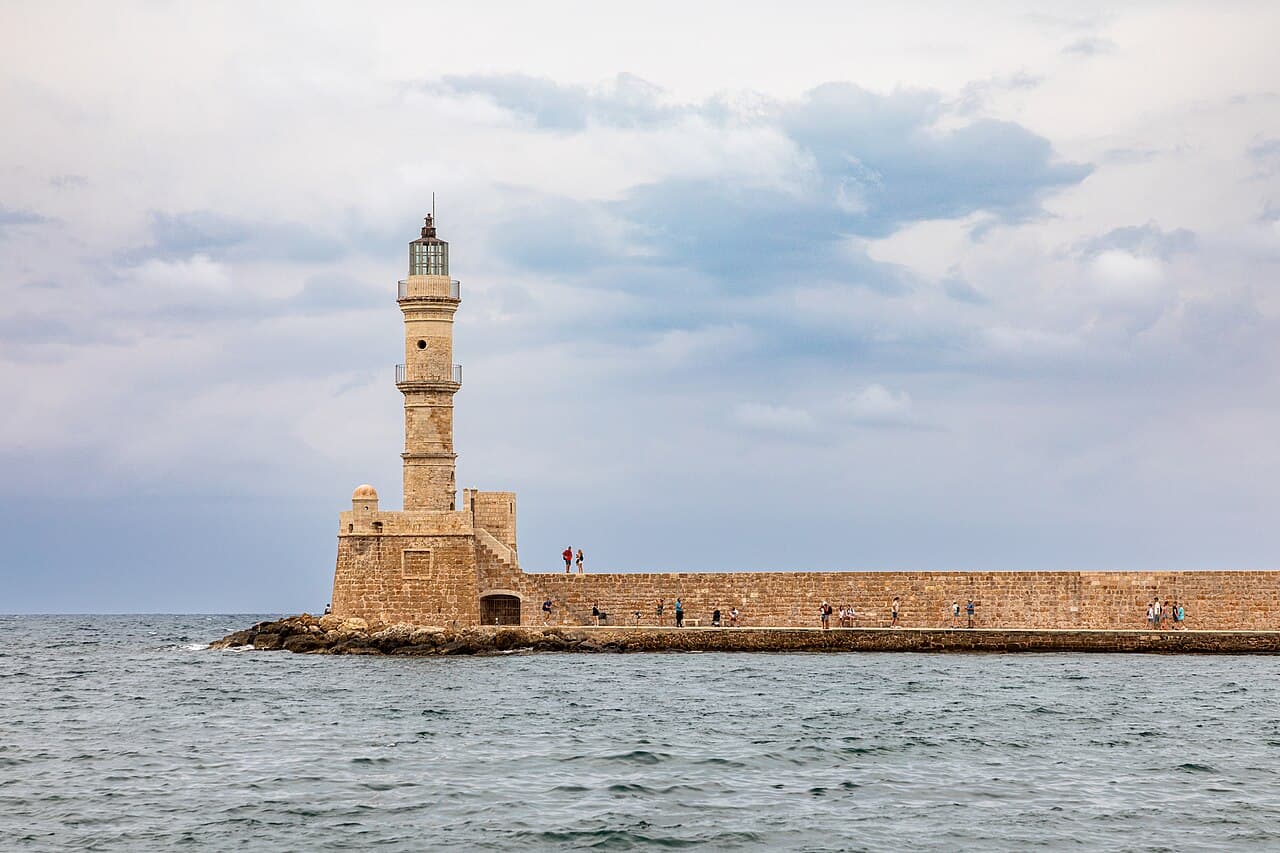
Chania (Crete)
Crete's prettiest harbour — a Venetian old town, a lighthouse, and a famous pink-sand beach within reach.
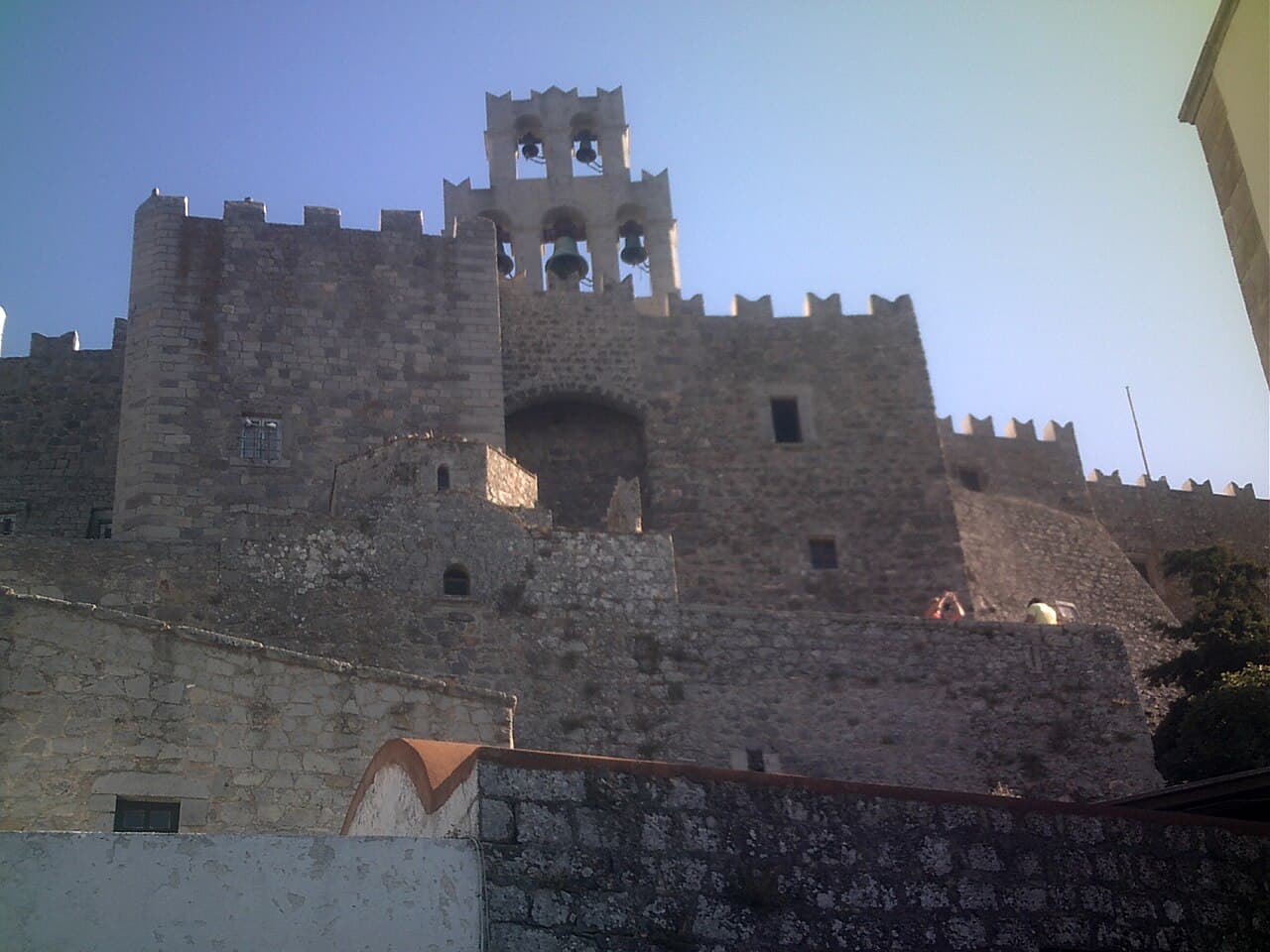
Patmos
The island where St. John wrote Revelation — a fortress-like monastery, a sacred cave and a whitewashed hilltop village.
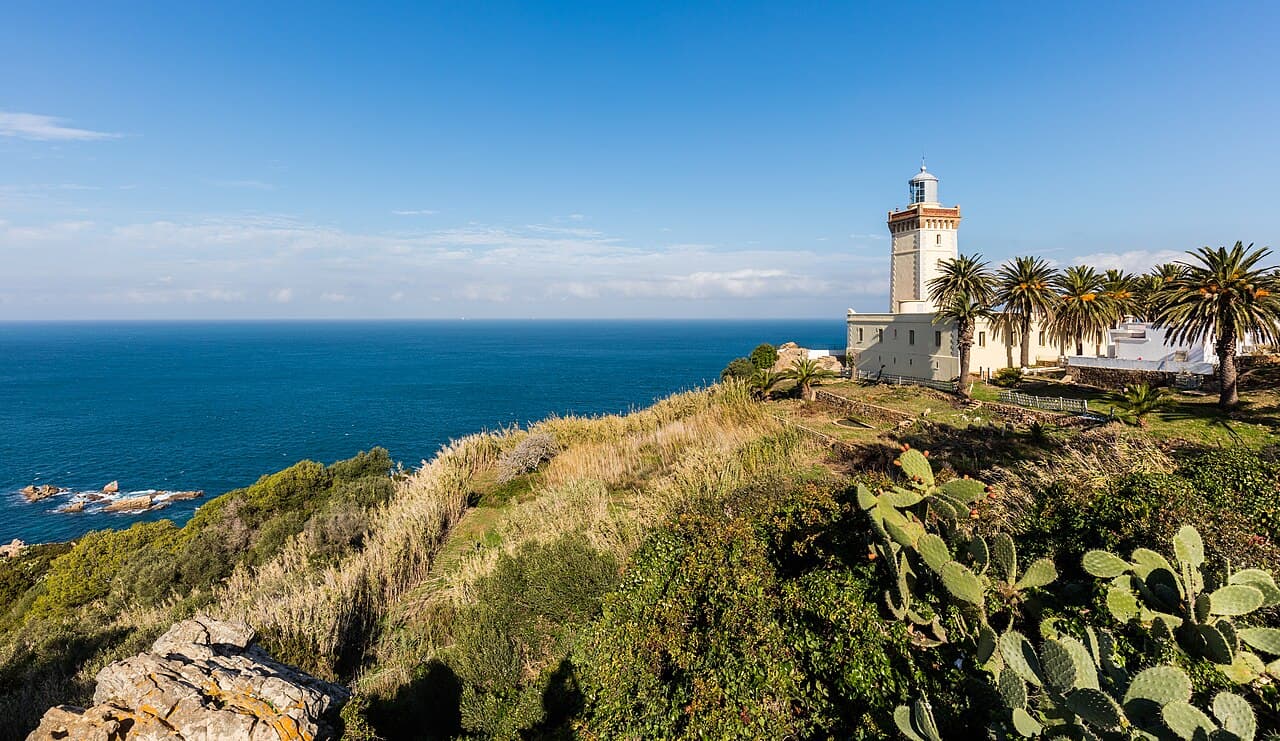
Tangier
Africa at the Strait of Gibraltar — a hilltop medina, a kasbah, and a lighthouse where two seas meet.
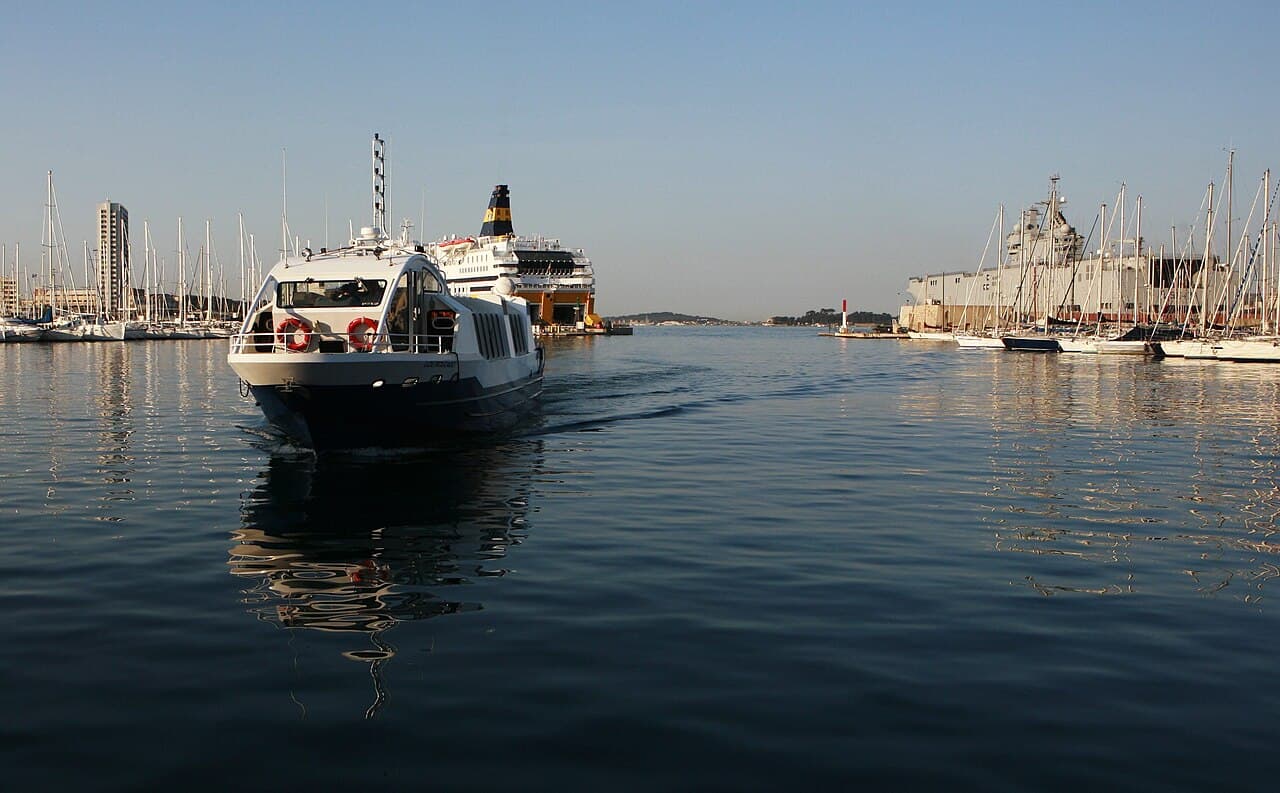
Toulon (Provence)
A working naval harbour with a cable car to the summit — and a handy base for Cassis, Aix and Provence.
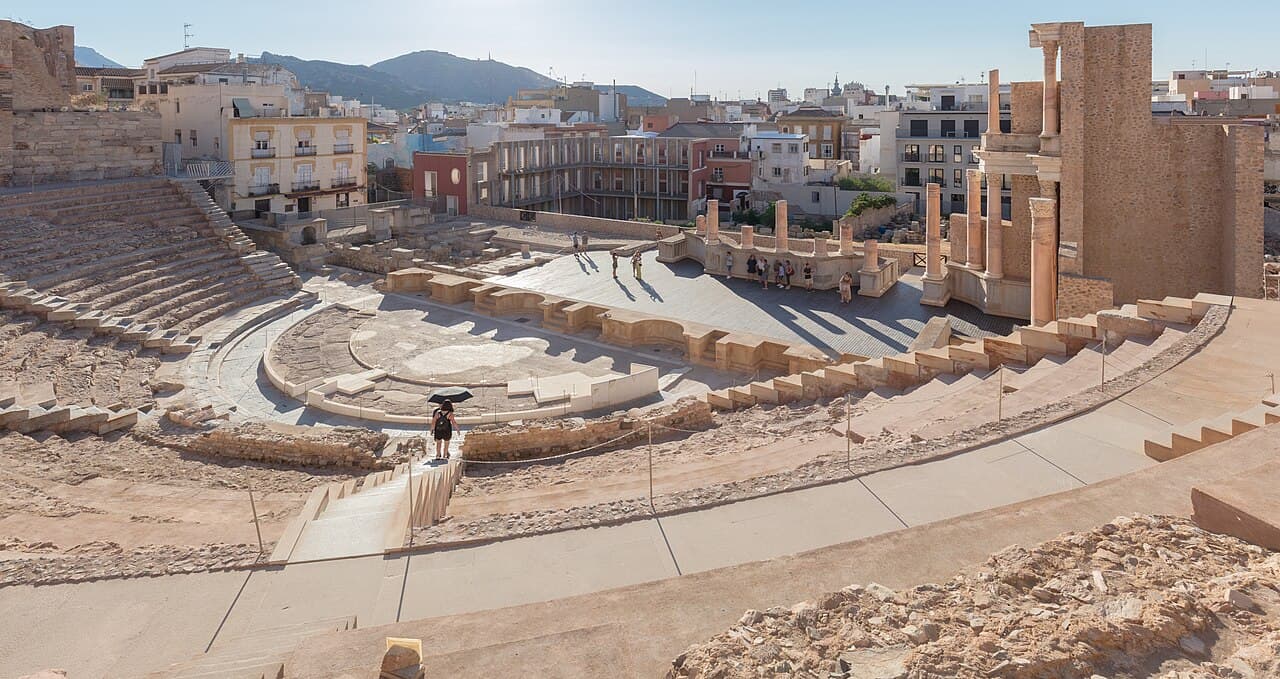
Cartagena (Spain)
A Roman theatre, a submarine, and an old town steps from the ship — Spain's easiest walk-off port.
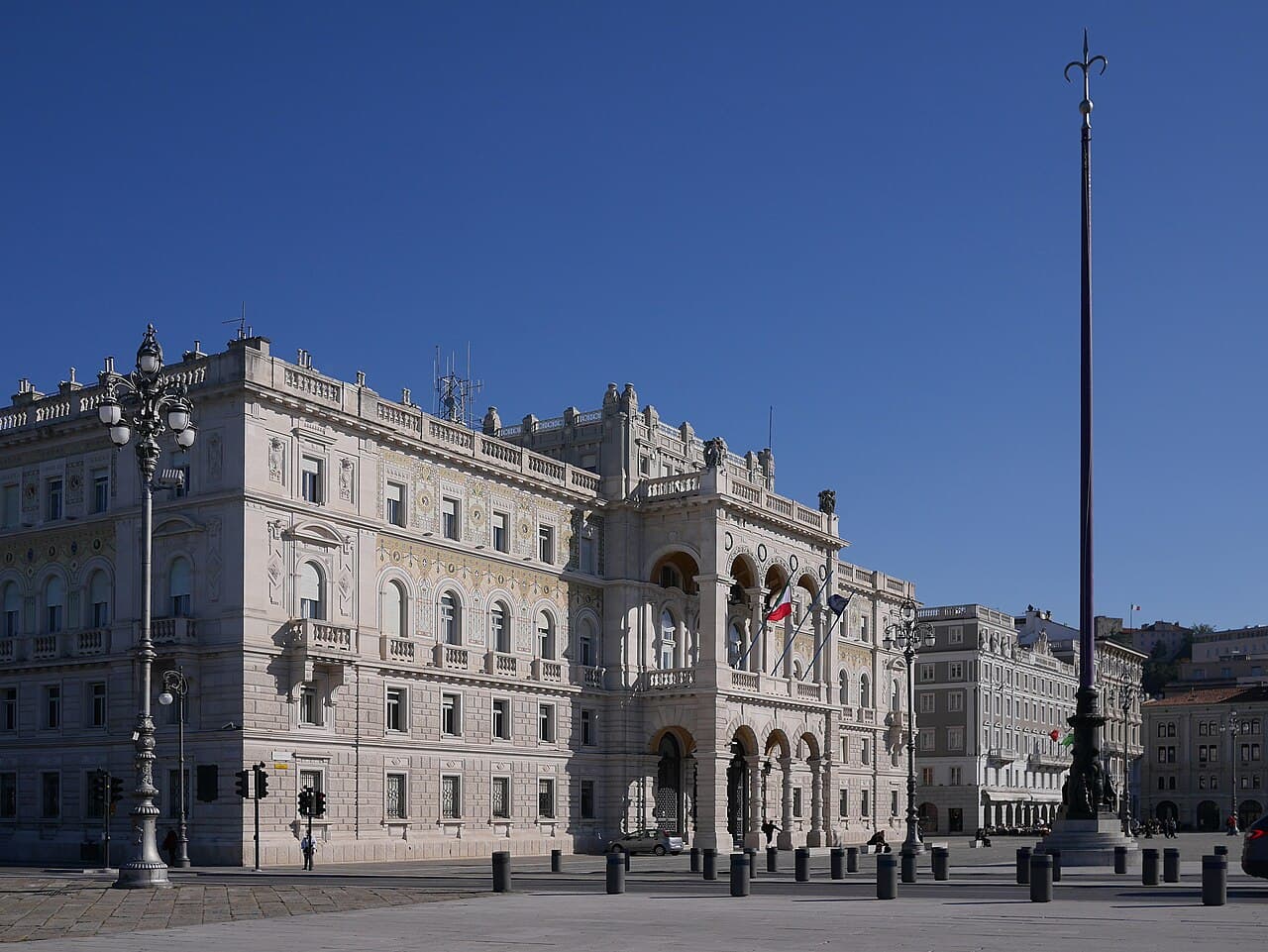
Trieste
Italy's coffee capital — a grand Habsburg square on the sea, a fairytale castle and the Slovenian border next door.
Ships that sail the Mediterranean
What's onboard, cabins, and video tours.
Celebrity Ascent
Refined luxury meets cutting-edge design — Celebrity's finest ship yet.
Sun Princess
Princess' most ambitious ship — incredible destinations, beautiful ship.
Wonder of the Seas
The world's most amenity-rich Oasis class ship — eight neighbourhoods of pure wonder
MSC World Europa
The first of MSC's World class — a 6,762-guest megaship that debuted at the FIFA World Cup
Norwegian Prima
NCL's design reset — fewer guests, more space, and the most dramatic outdoor experiences at sea
Celebrity Beyond
The most sophisticated Edge class yet — wider, refined, with the best rooftop at sea
Mediterranean cruise questions
Are Mediterranean ship excursions worth the extra cost?+
Sometimes, and unusually for cruising the answer is often yes. At ports where the headline sight is a long transfer away — Rome from Civitavecchia, Florence from Livorno, Ephesus from Kusadasi — the ship's tour buys you a guaranteed return and the ship's obligation to wait. At walkable ports like Dubrovnik, Kotor, Mykonos or Barcelona, an excursion is usually poor value for something you can do yourself in twenty minutes on foot.
Can you actually see Rome from a cruise ship in one day?+
You can see a meaningful slice of it, not the city. Civitavecchia to central Rome is about ninety minutes each way by train or coach, leaving roughly five usable hours. That is enough for the Colosseum and Forum, or the Vatican, or the classic fountains-and-Pantheon walk — realistically one of the three, not all. Attempting all three is the single most common way people ruin a Rome port day.
Do I need to pre-book tickets for major Mediterranean sites?+
Yes, for the big ones. The Vatican Museums, Sagrada Familia, Alhambra and Acropolis all use timed entry and sell out weeks ahead between May and September. Book the earliest slot compatible with your arrival, and build in a buffer — if your ship berths late you will lose a non-refundable ticket.
How much walking should I expect in Mediterranean ports?+
Considerably more than in the Caribbean, and much of it on uneven ground. Ancient sites, medieval old towns and hillside villages mean cobbles, steep steps and marble worn slippery by centuries of feet. Santorini, Kotor and Dubrovnik in particular involve serious climbing. Proper shoes matter more here than anywhere else in cruising.
Which Mediterranean itinerary is better, Eastern or Western?+
Western for first-timers and for food and cities; Eastern for islands, ancient sites and scenery. Western routes (Barcelona, Rome, Naples, Lisbon) have shorter transfers, more reliable weather in shoulder season, and easier independent transport. Eastern routes trade some of that convenience for Santorini, Mykonos and Ephesus, which are hard to match anywhere else.