
Caribbean Cruise Ports
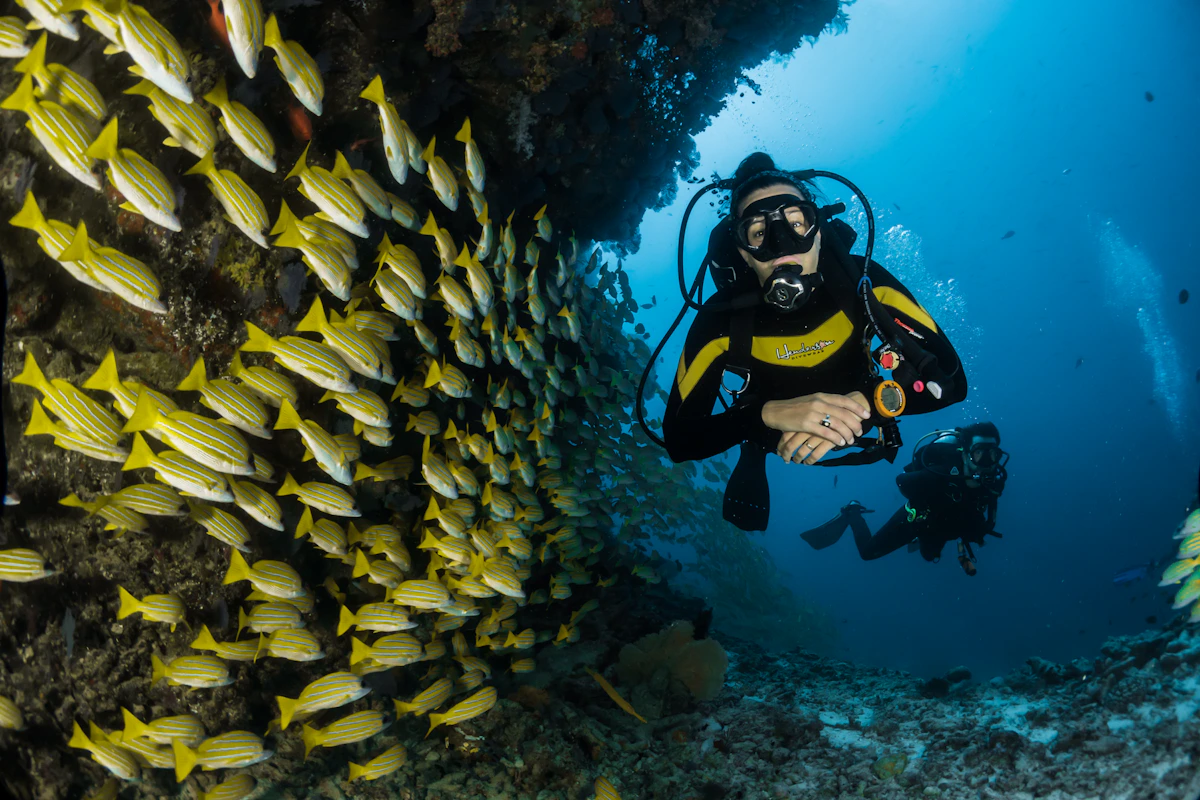
Turquoise water, white sand, and incredible reefs.
The Caribbean is where most people take their first cruise, and it is the region where the gap between a good port day and a wasted one is widest. Ships dock at dozens of islands that look similar in a brochure but play out completely differently in practice: some drop you a five-minute walk from a genuinely good beach, others land you in a fenced shopping compound with a forty-minute taxi ride to anything worth seeing. Knowing which is which before you book an excursion is most of the battle.
Distances are the thing brochures never make clear. In Grand Cayman you tender into George Town and Seven Mile Beach is a short, cheap bus ride away. In Falmouth or Amber Cove, the port itself is a purpose-built compound and the real island starts well beyond the gates. Our guides give you the pier-to-town distance for every stop, so you can judge whether a ship excursion is buying you access or simply selling you a taxi you could have hailed for a fraction of the price.
Caribbean port calls also tend to be short — often 8am to 4pm or 5pm — which rules out anything more than about a two-hour drive each way. That constraint is why we flag which inland sights are realistically reachable and which ones only work on the ship's own tour, where the captain waits if the bus runs late. The islands here reward travellers who pick one thing and do it properly over those who try to see everything.
Choosing dates and a route? Caribbean Cruises 2027: Seasons, Routes & Ships
When to sail
- Best months
- December to April — dry, warm, and reliably sunny, which is also why fares peak over the holidays and around school breaks.
- Shoulder season
- May and late November offer near-identical weather to peak season at noticeably lower fares, with a slightly higher chance of an afternoon shower.
- When to think twice
- August to October is peak Atlantic hurricane season. Sailings are cheap and usually go ahead, but itineraries get rerouted at short notice — book only if you can be relaxed about the ports changing.
Getting around
Shared taxis and open-air route buses run near almost every Caribbean pier and cost a few dollars a head. Agree the fare before you get in — meters are rare. On the larger islands (Jamaica, Barbados, Puerto Rico, the Dominican Republic) a licensed taxi hired for a half-day is often cheaper than two ship excursion tickets and lets you set the pace. Scooters and golf carts are widely rented in Cozumel, Key West, and the Bahamas.
Money & language
US dollars are accepted almost everywhere in the Caribbean, though you will often get change in local currency at a rounded-down rate — pay in small bills. English is the working language at nearly every port, with Spanish dominant in Cozumel, Costa Maya, San Juan, Cartagena, and the Dominican ports, and Dutch or French heard alongside English in the ABC islands, St. Maarten, Martinique, and Guadeloupe.
Typical Caribbean itineraries
How the major cruise lines usually string these ports together.
Eastern Caribbean
7 nightsSt. Thomas · St. Maarten · Nassau · Perfect Day at CocoCay
Western Caribbean
7 nightsCozumel · Grand Cayman · Ocho Rios · Costa Maya
Southern Caribbean
7–10 nightsAruba · Curacao · Bonaire · Barbados · St. Lucia
Bahamas short break
3–4 nightsNassau · Perfect Day at CocoCay · Half Moon Cay
All 44 Caribbean port guides
Beaches, food, pier-to-town distances, and an honest verdict on the ship's excursions.
Cozumel
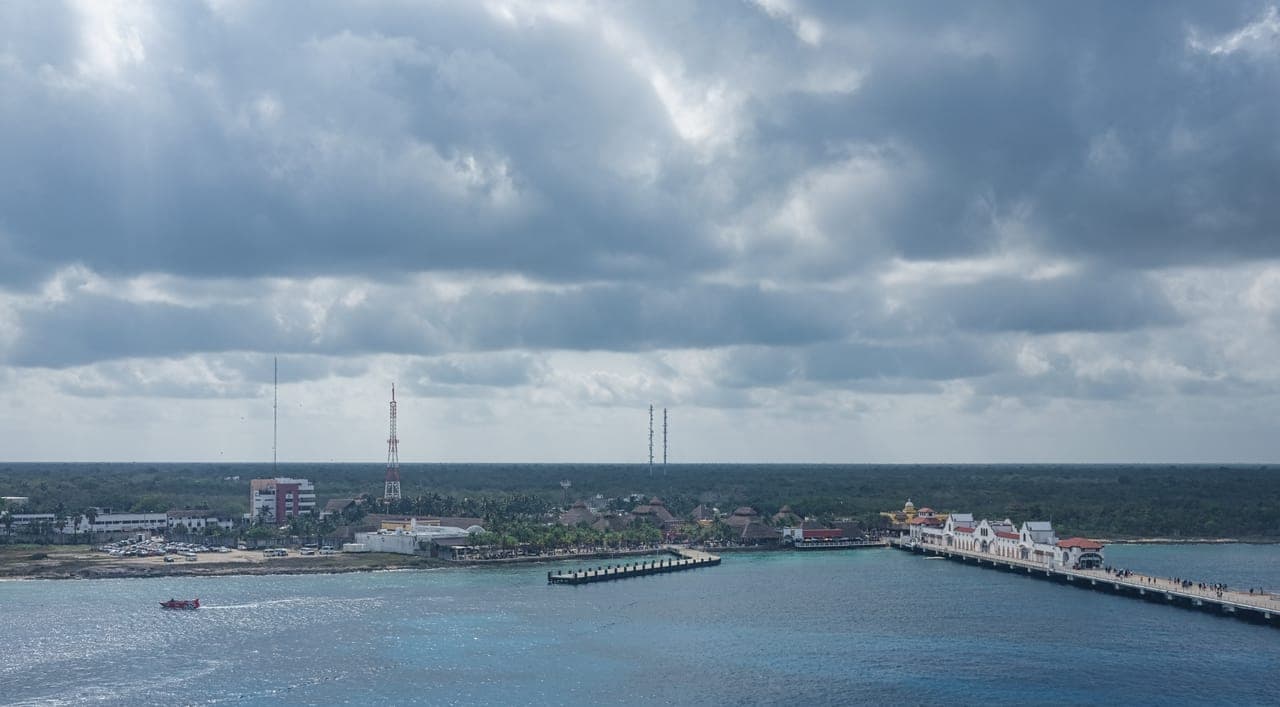
World-class reefs, turquoise water, and the best tacos al pastor in the Caribbean.
Nassau
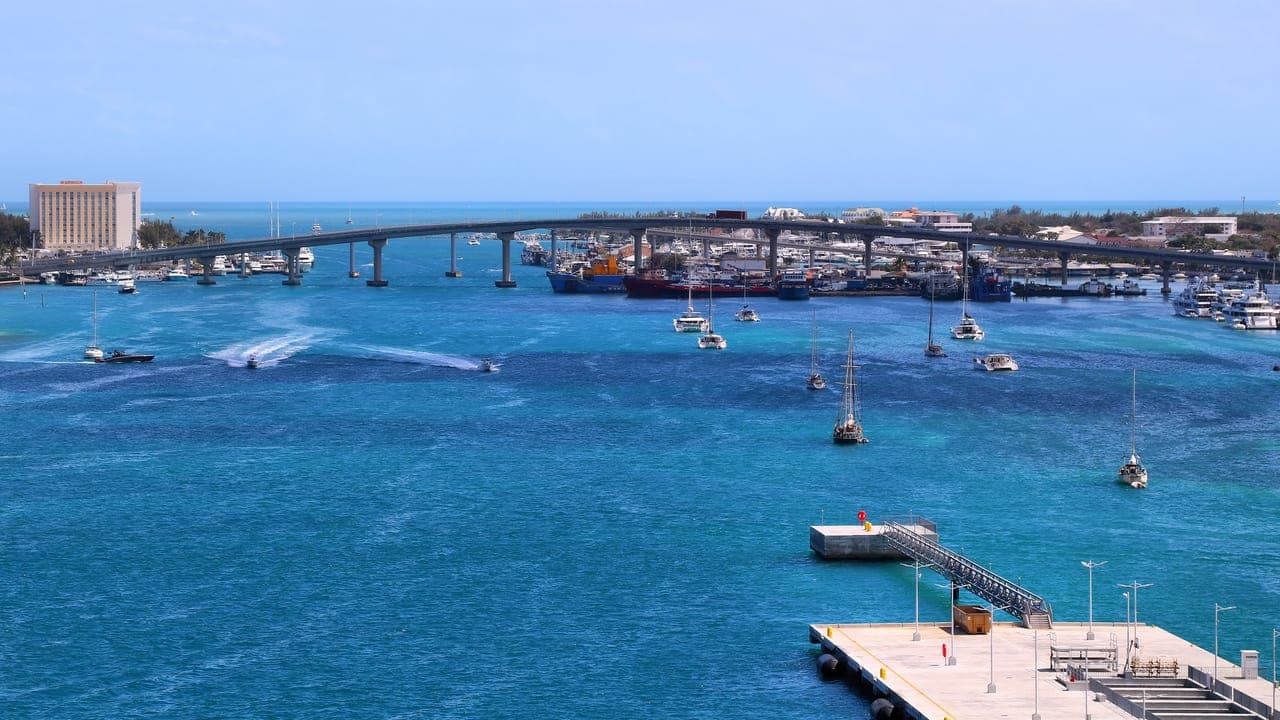
Pink-sand beaches, colonial history, and Atlantis just a bridge away.
St. Maarten / St. Martin
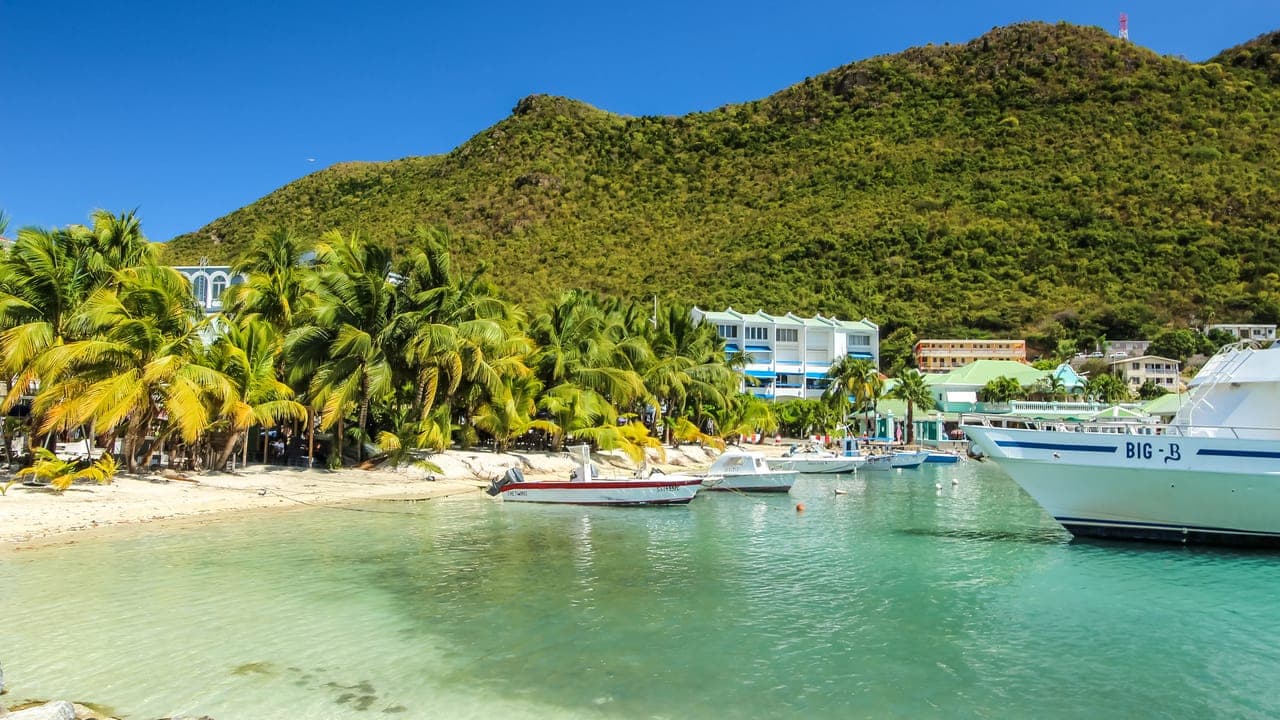
Two countries, one island — world-famous beach, duty-free shopping, and jet-blast thrills.
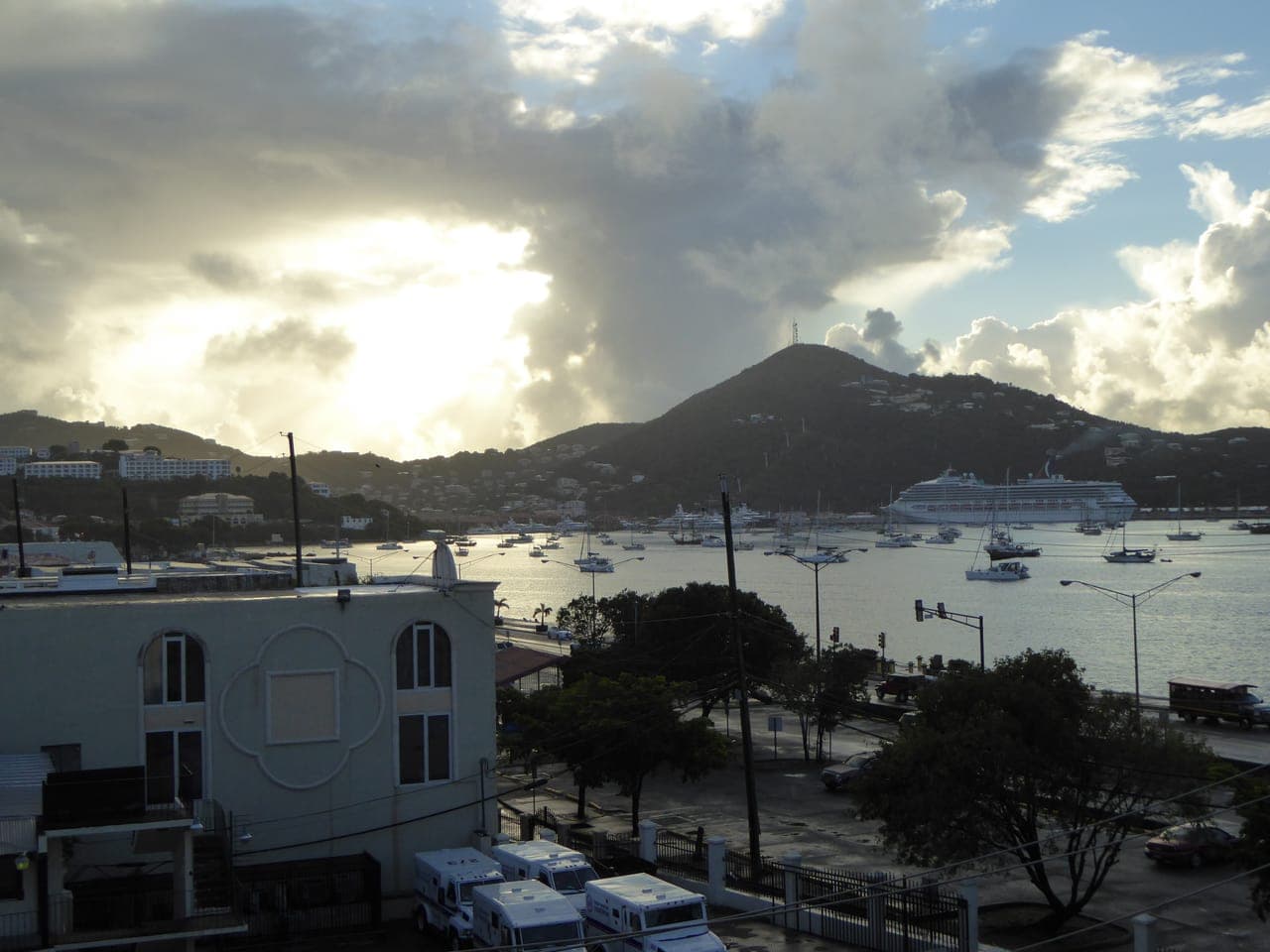
St. Thomas
Duty-free shopping capital of the Caribbean — and a gateway to the world's best snorkelling at Buck Island.
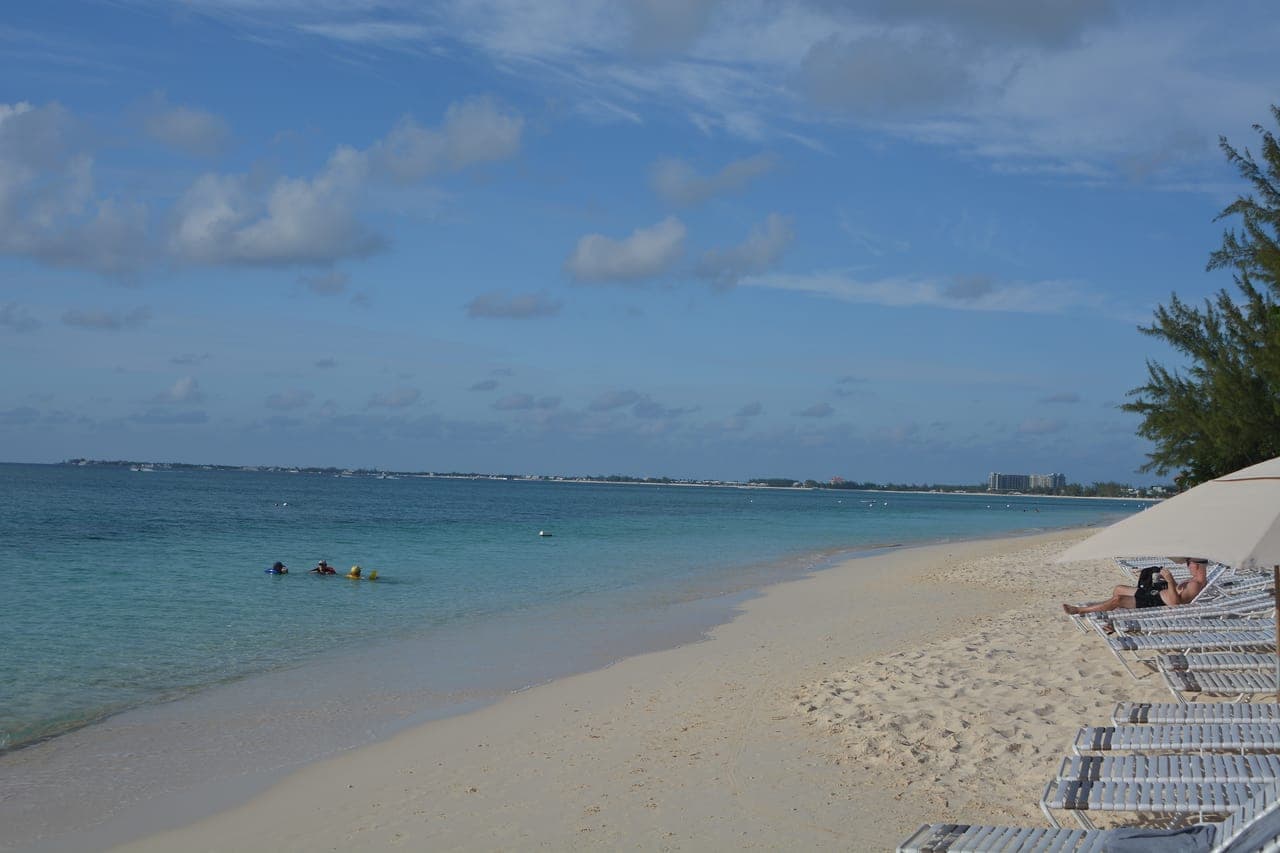
Grand Cayman
Stingray City, Seven Mile Beach, and the clearest water in the western Caribbean.
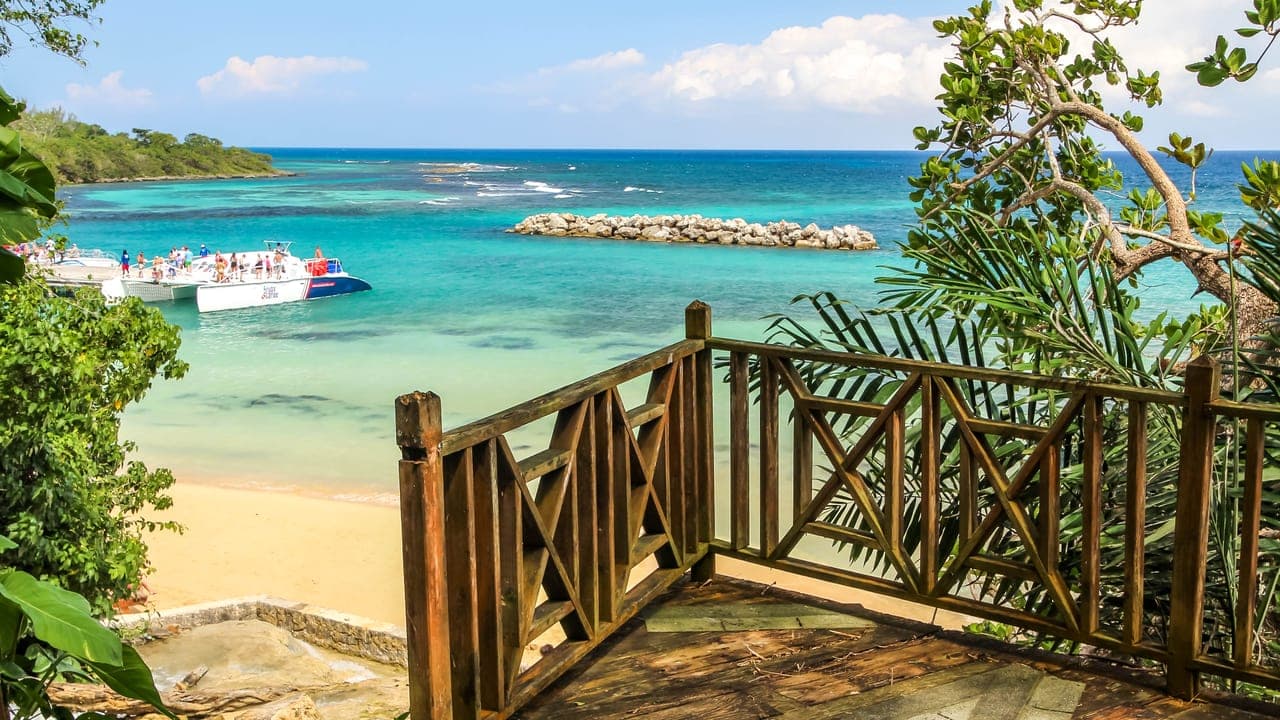
Ocho Rios
Waterfall climbing, reggae rhythms, jerk chicken, and lush jungle in the heart of Jamaica.
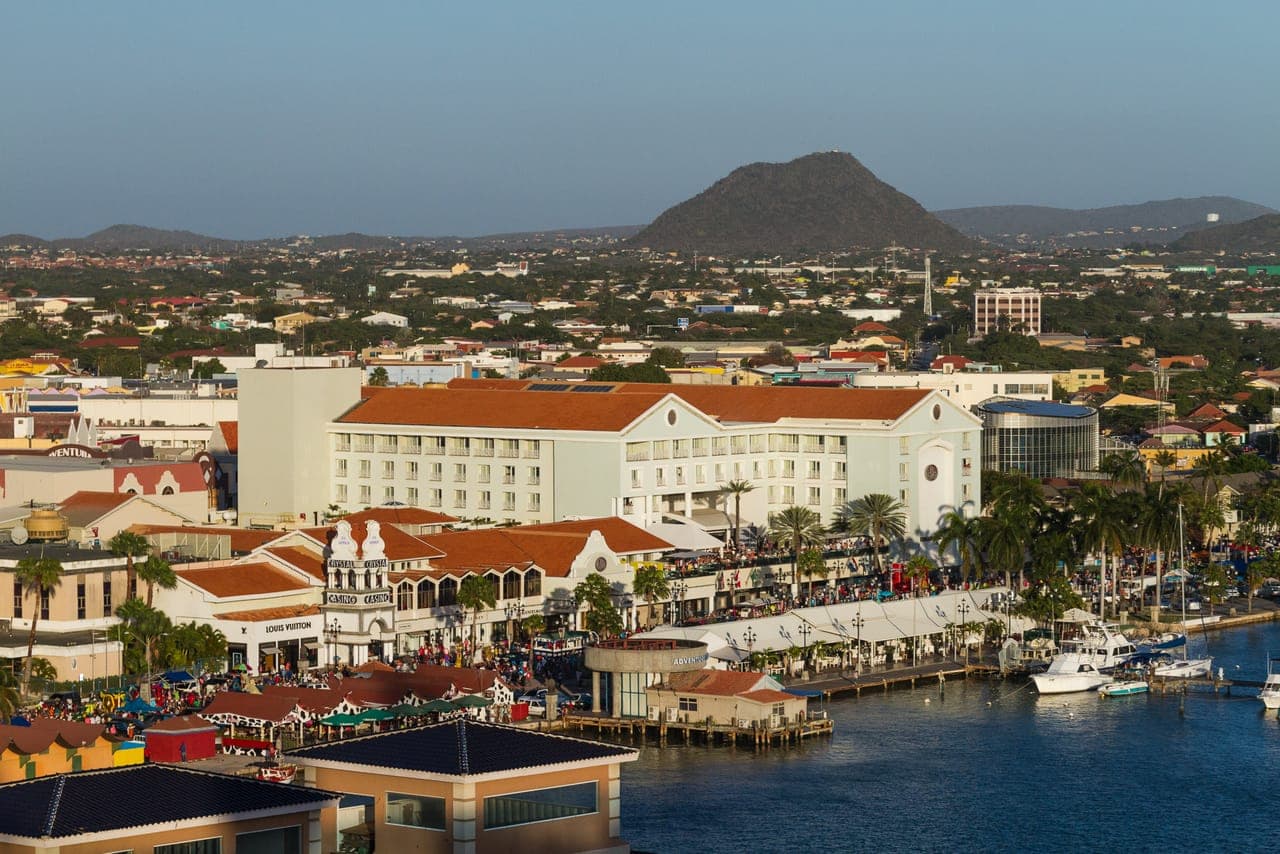
Aruba
Constant trade winds, powder-white beaches, and a sun that almost never stops shining.
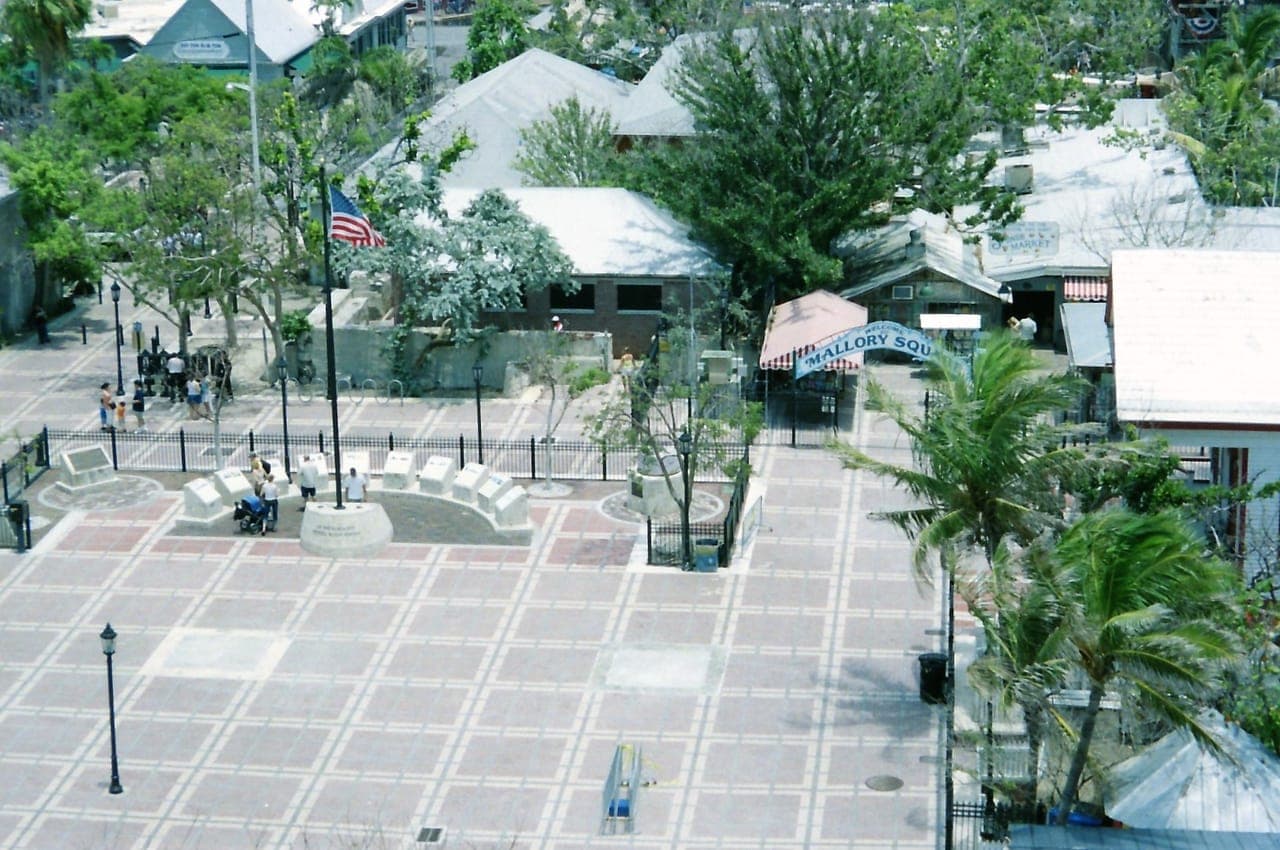
Key West
America's southernmost city — Hemingway bars, snorkelling reefs, and the most laid-back vibe in the U.S.
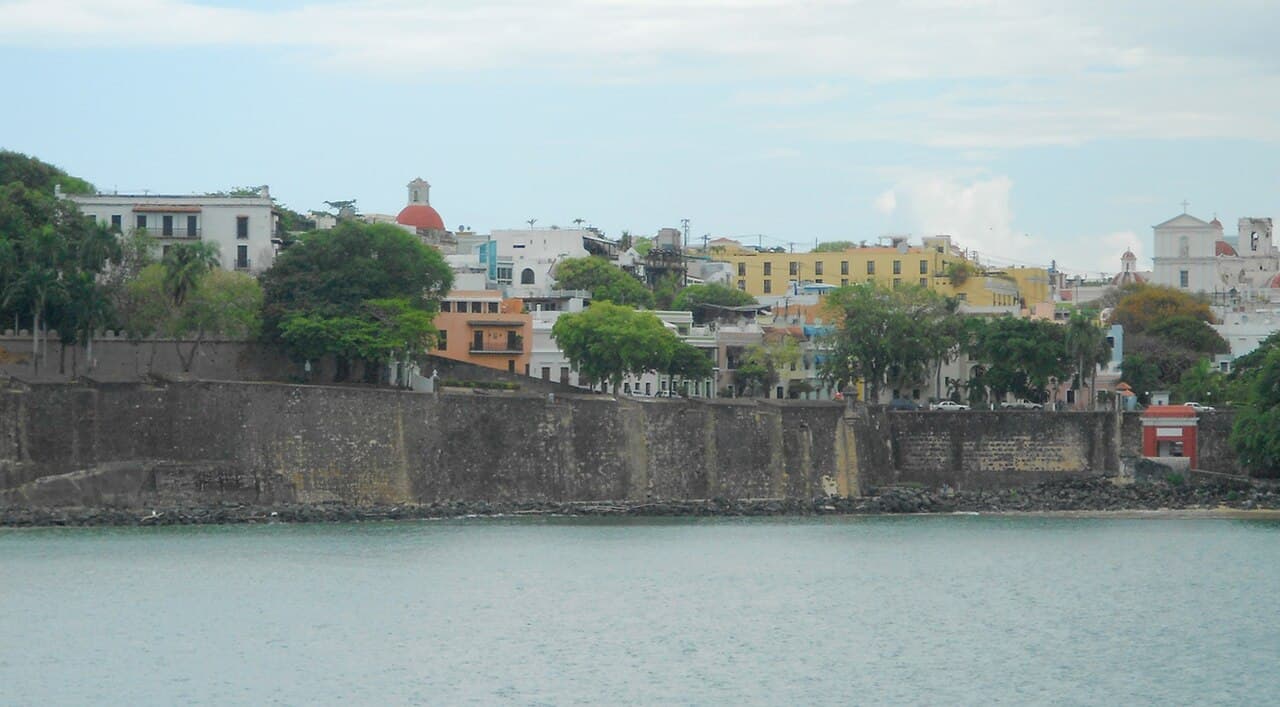
San Juan
Pastel colonial streets, a 16th-century fortress, and the birthplace of the piña colada.
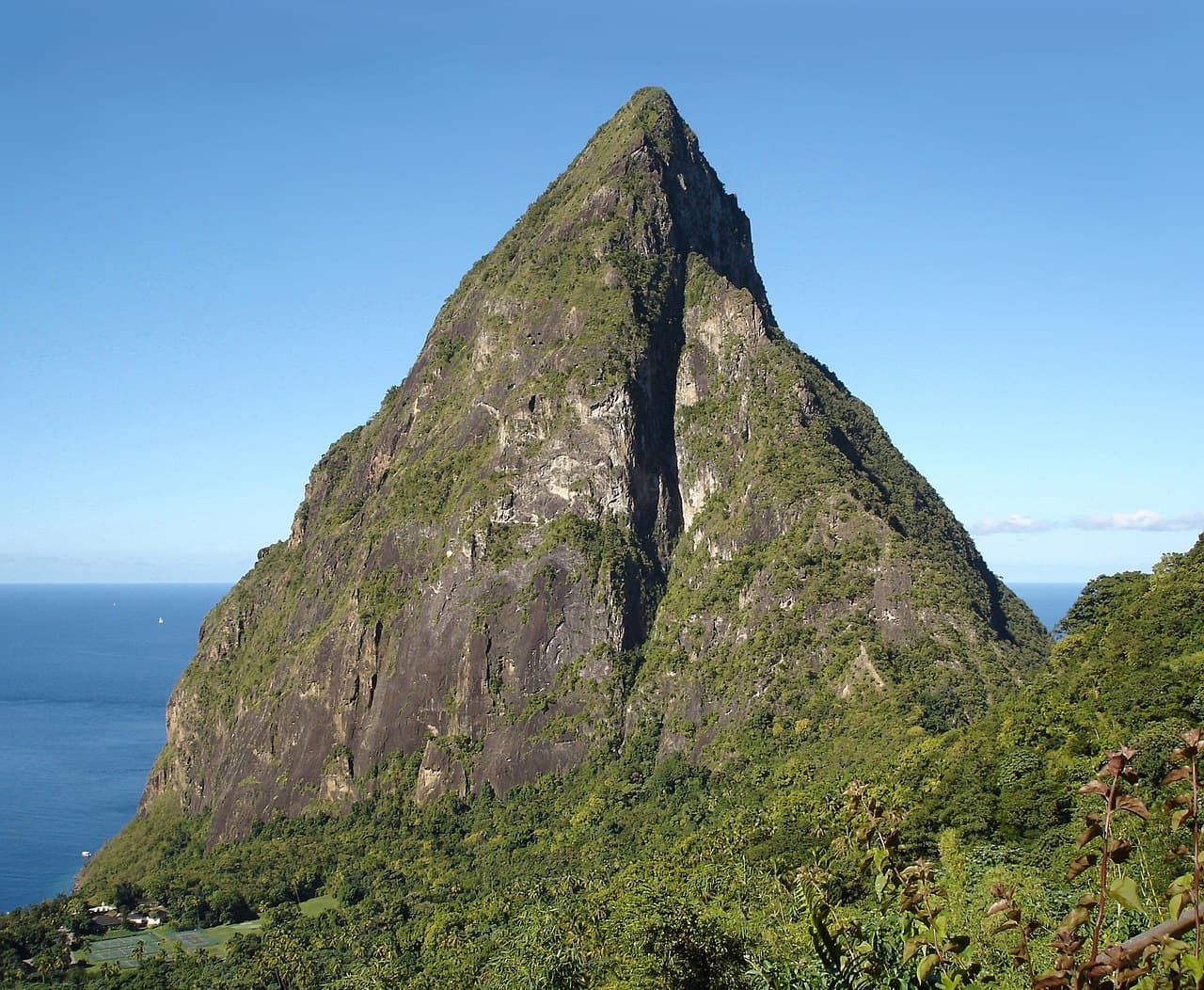
St. Lucia
The twin Pitons, the Caribbean's most dramatic landscape, and a drive-in volcano.
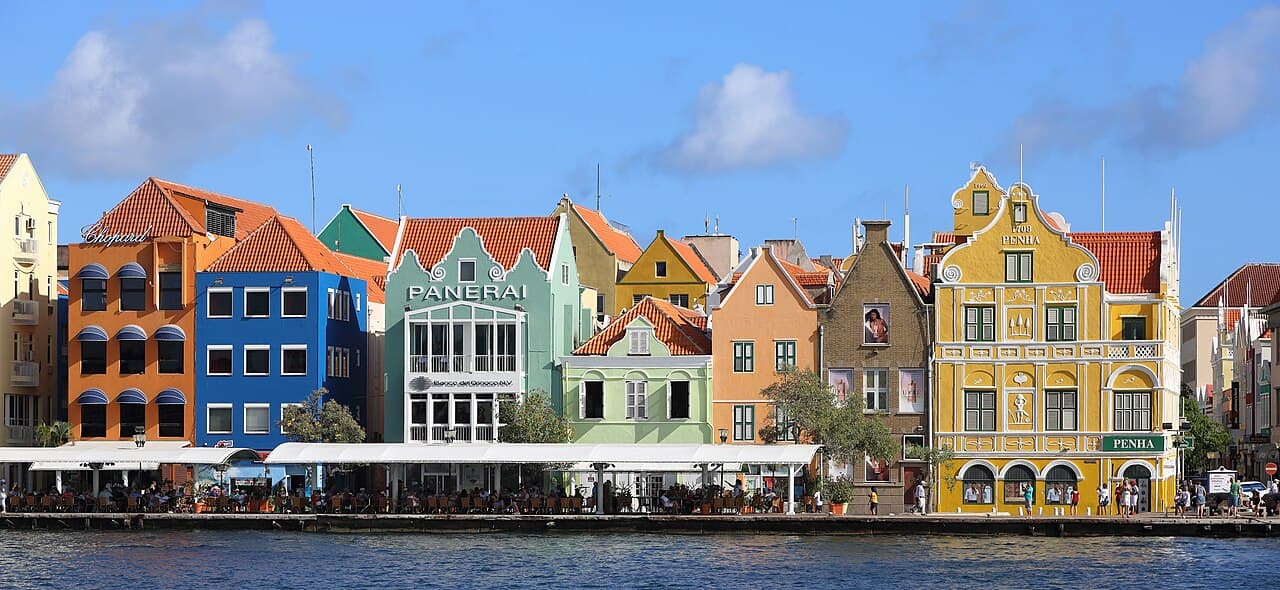
Curaçao (Willemstad)
The Caribbean's most colourful capital, world-class wreck diving, and Dutch colonial charm.
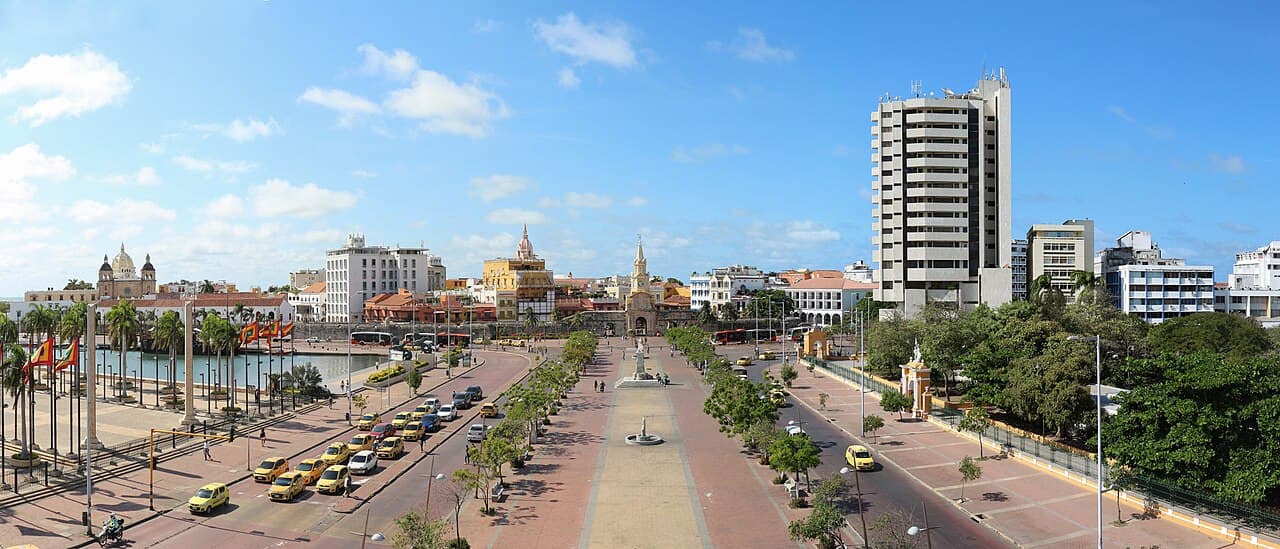
Cartagena
A UNESCO walled city of candy-coloured colonial houses, massive Spanish fortresses, and Caribbean warmth.
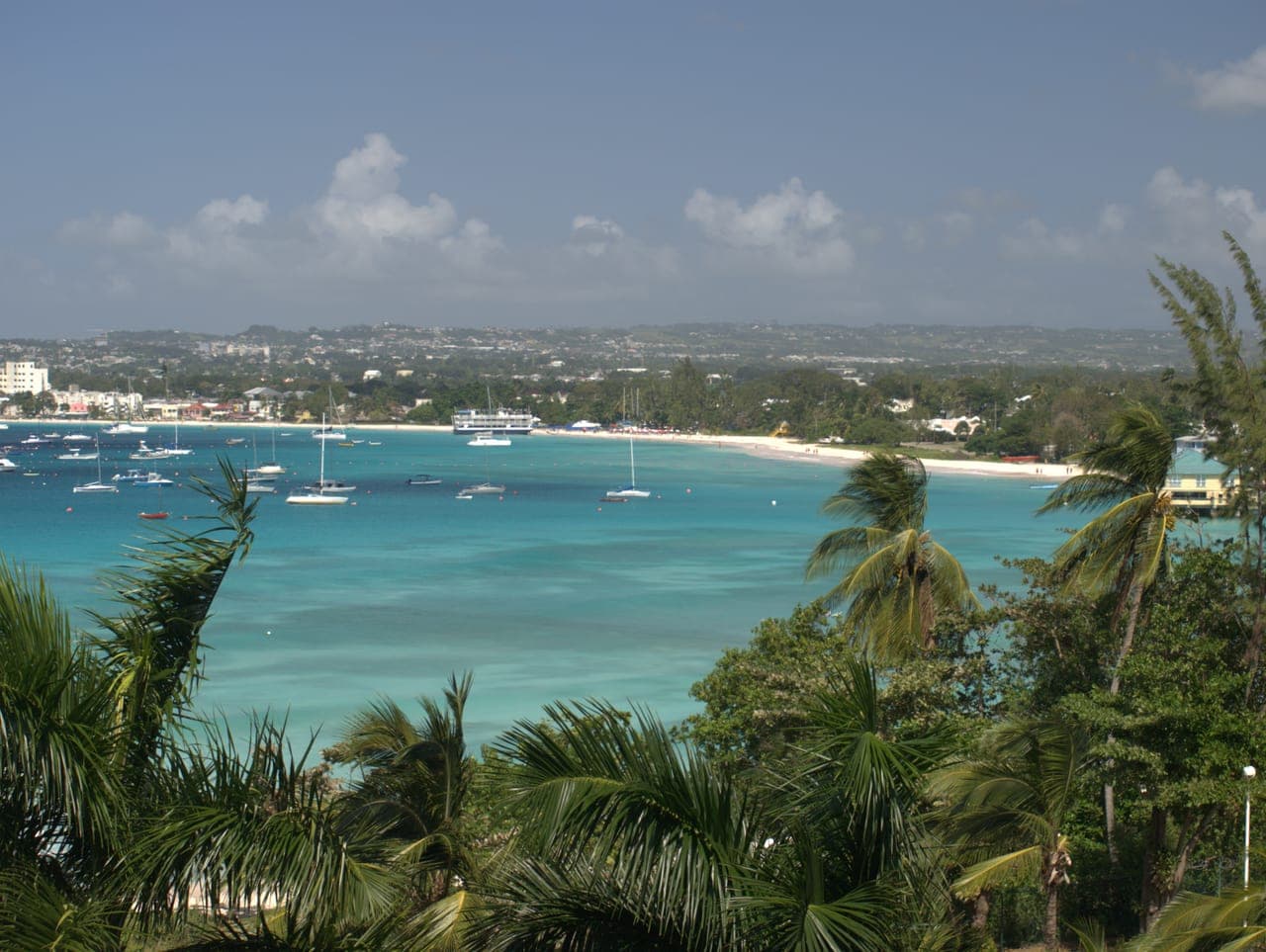
Barbados (Bridgetown)
The most British island in the Caribbean — rum, cricket, coral beaches, and the world's oldest rum distillery.
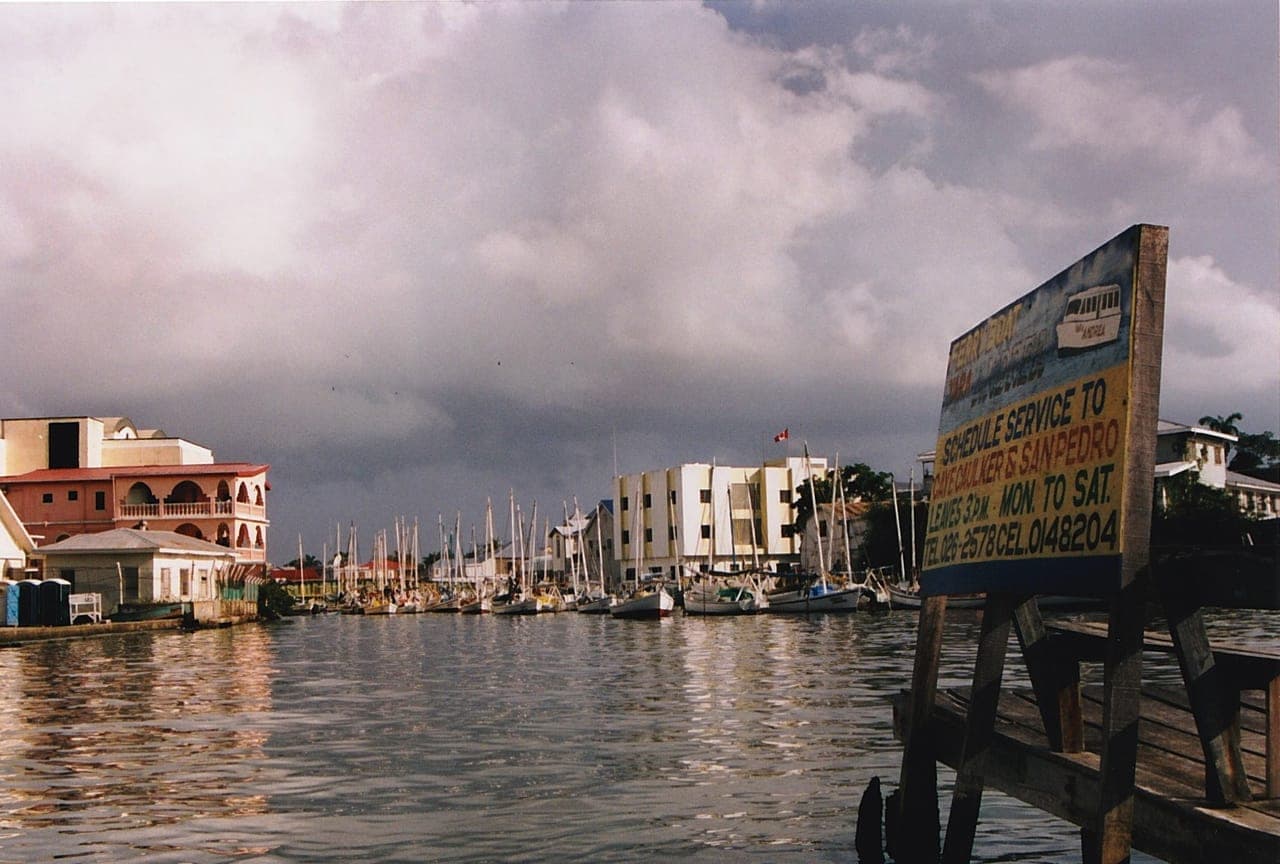
Belize City
Mayan jungle temples, the world's second-largest barrier reef, and the mysterious Great Blue Hole.
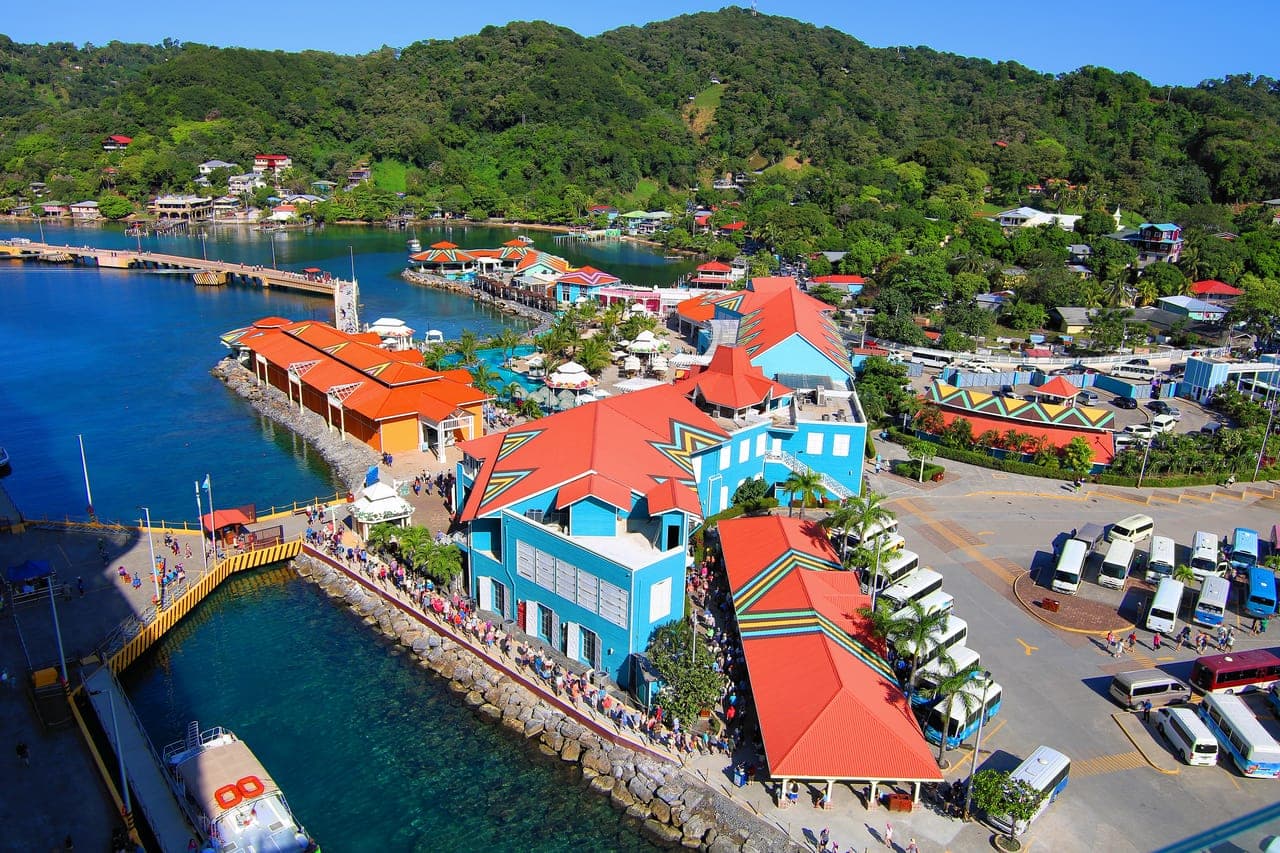
Roatán
The Caribbean's best-value diving — pristine Mesoamerican Barrier Reef, West Bay Beach, and jungle zip-lines.
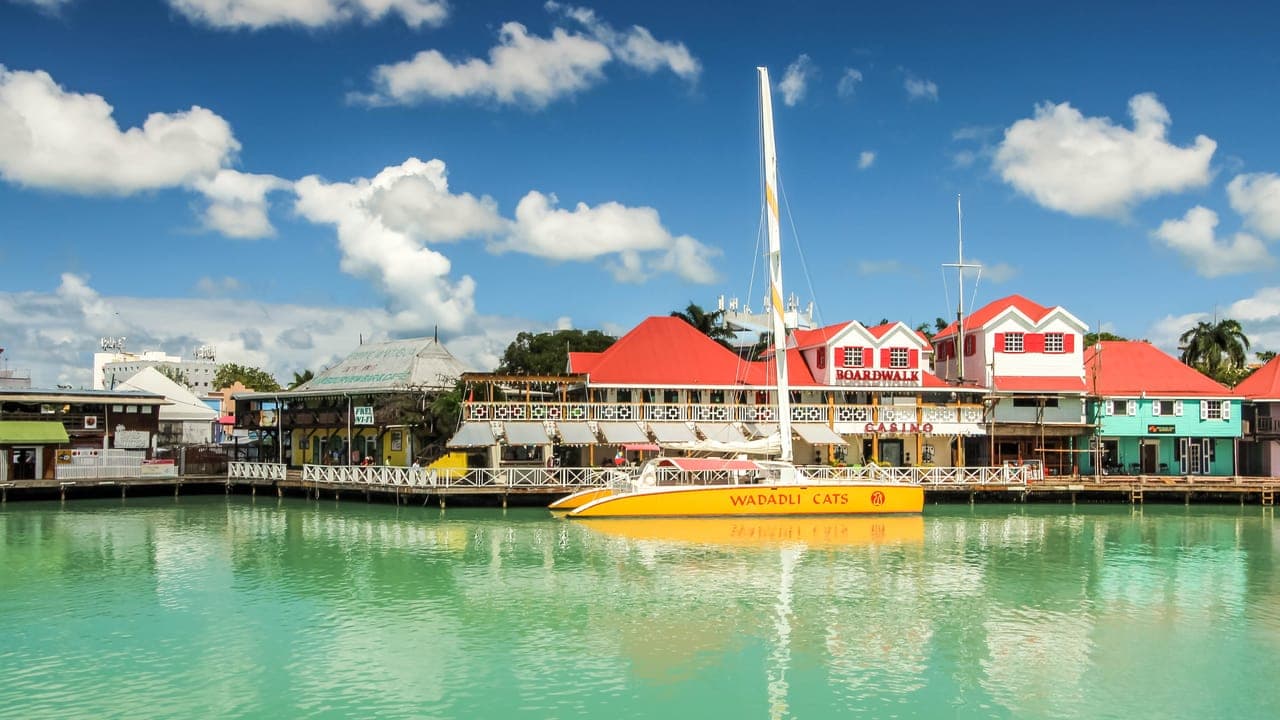
Antigua
365 beaches — one for every day of the year — plus the most beautifully preserved Georgian naval harbour in the Caribbean.
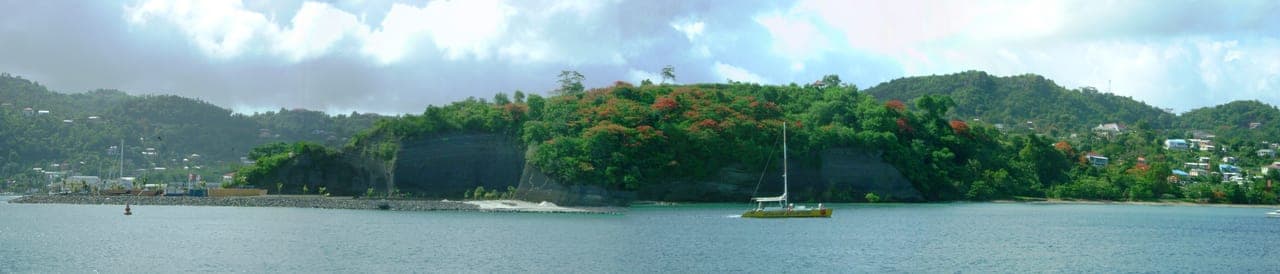
Grenada (St. George's)
The Spice Isle — nutmeg, Grand Anse Beach, lush rainforest, and the Caribbean's most picturesque harbour capital.
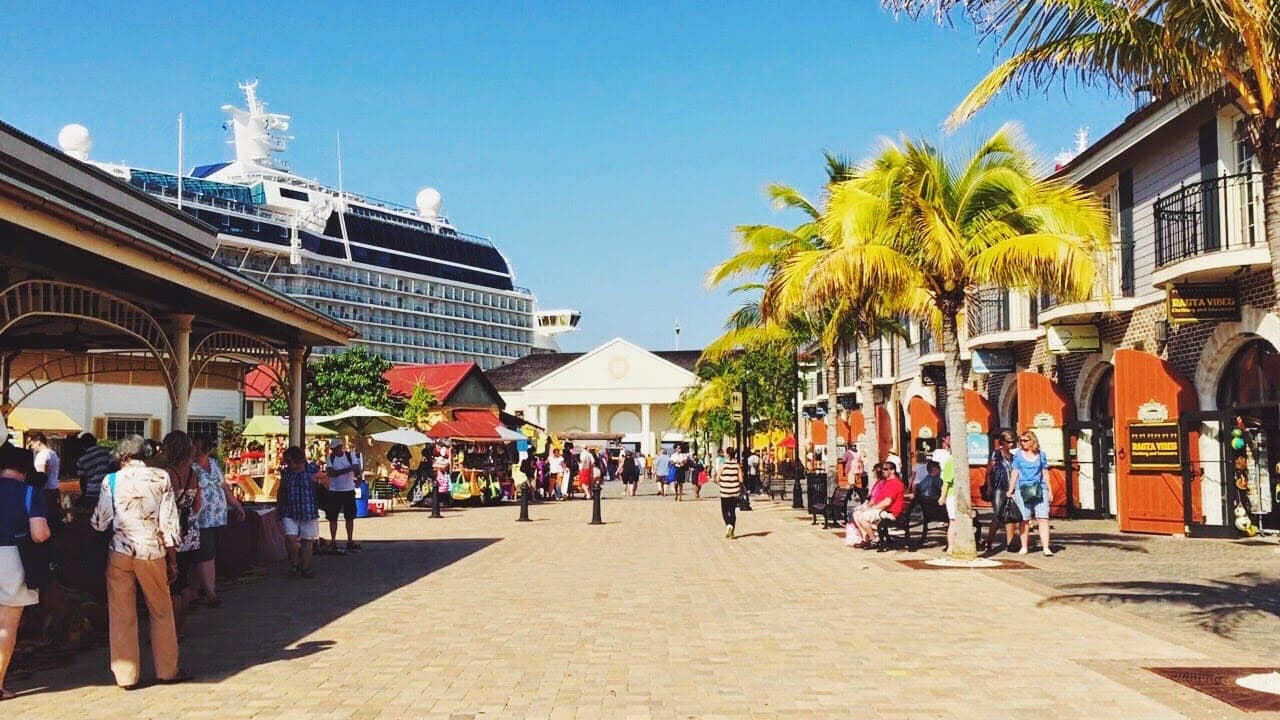
Falmouth
Jamaica's best-preserved Georgian town, gateway to Dunn's River Falls and the Glistening Waters Luminous Lagoon.
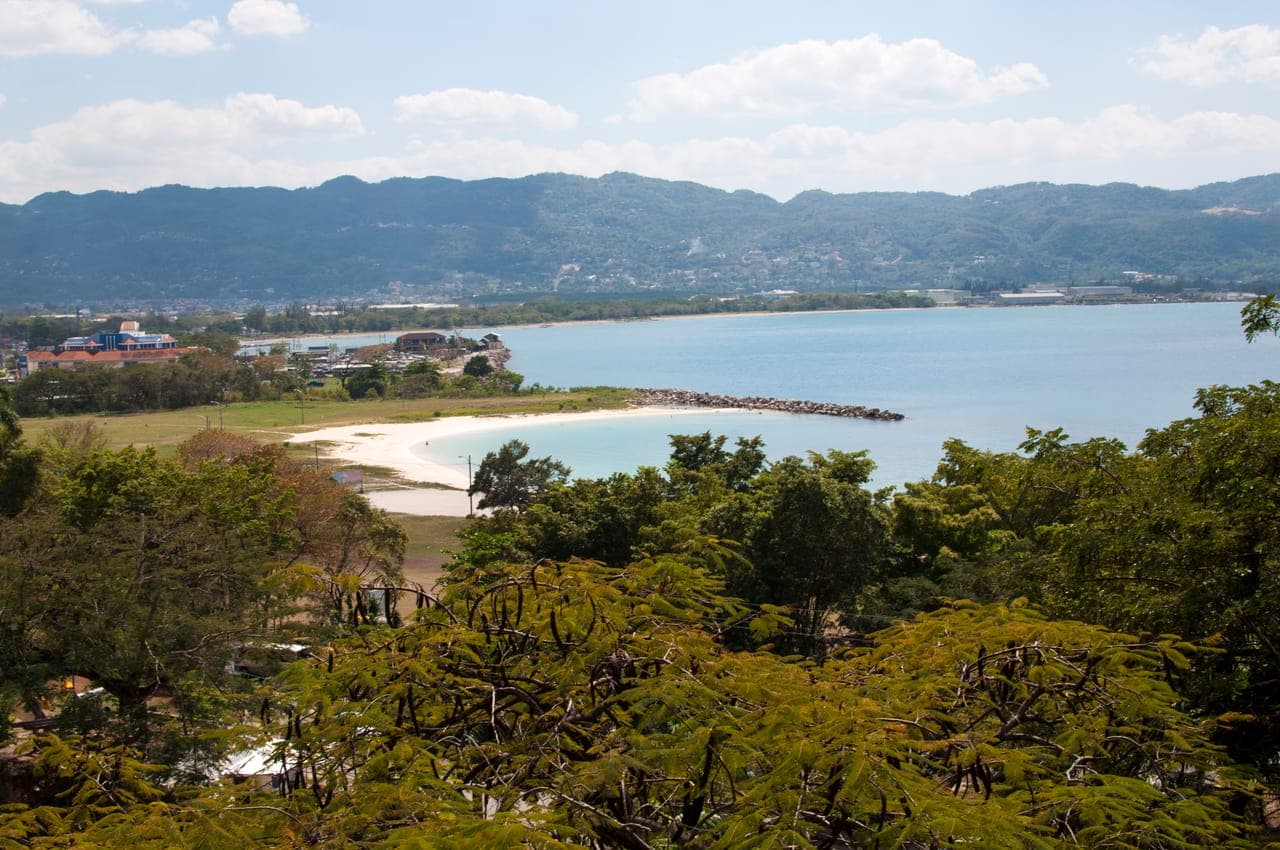
Montego Bay
Jamaica's tourist capital — Doctor's Cave Beach, world-class jerk, and the Hip Strip a short taxi from the pier.
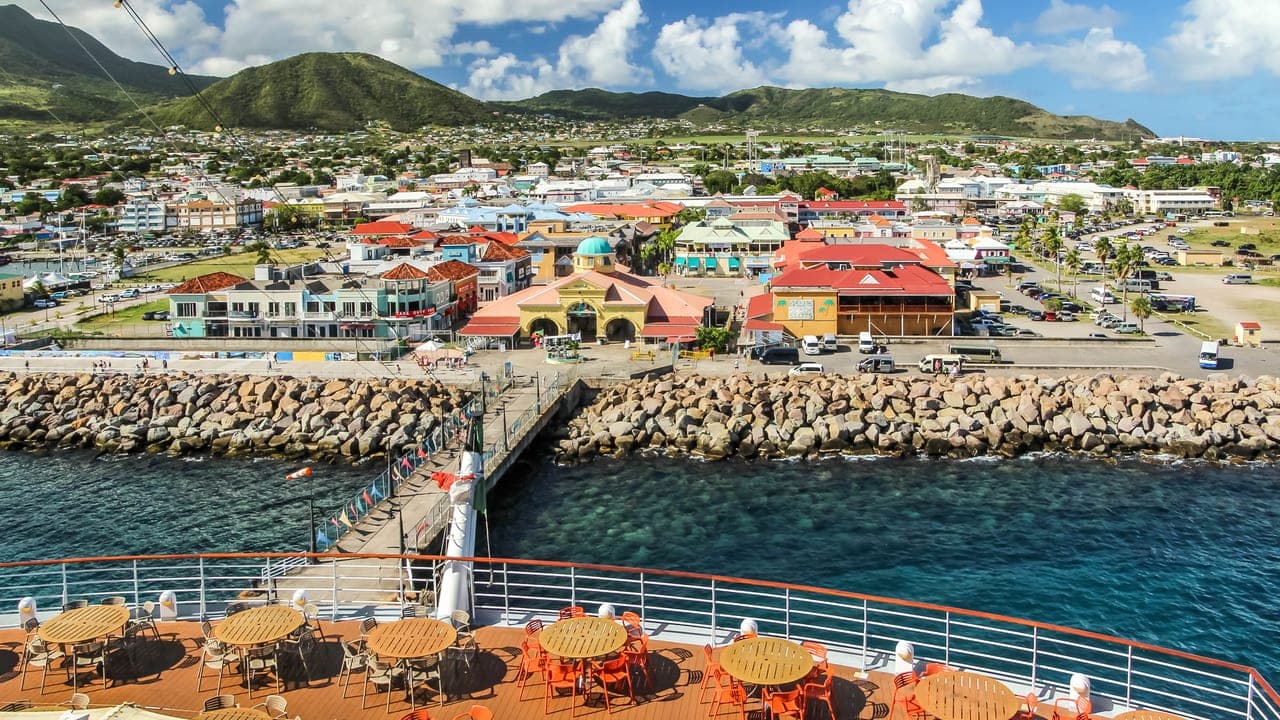
St. Kitts (Basseterre)
A UNESCO fortress, a scenic railway, and an undiscovered gem of the Eastern Caribbean.
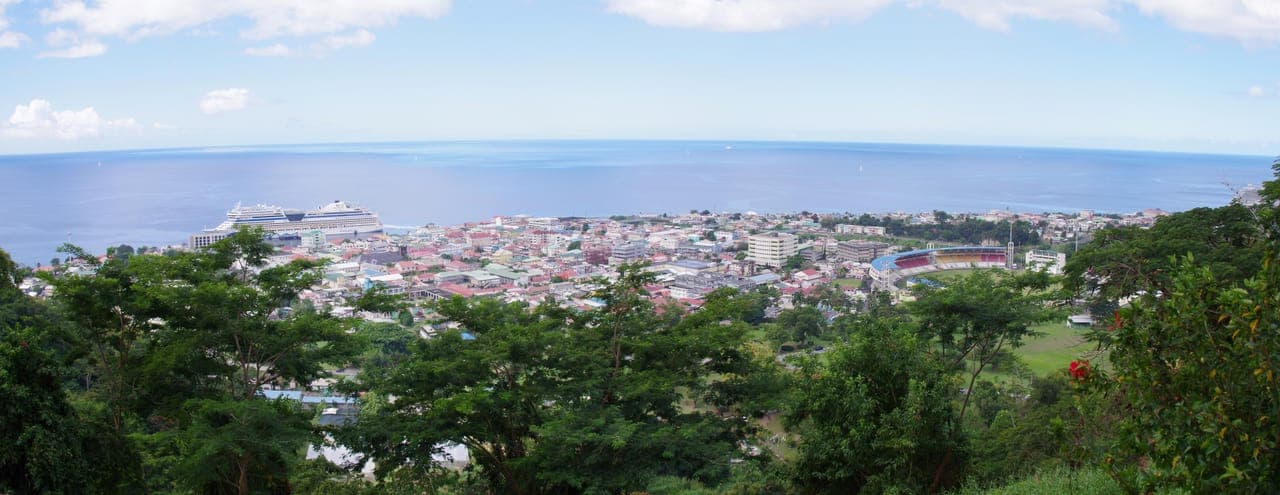
Dominica (Roseau)
The Nature Isle of the Caribbean — volcanic hot springs, ancient rainforest, and whale watching unlike anywhere else.
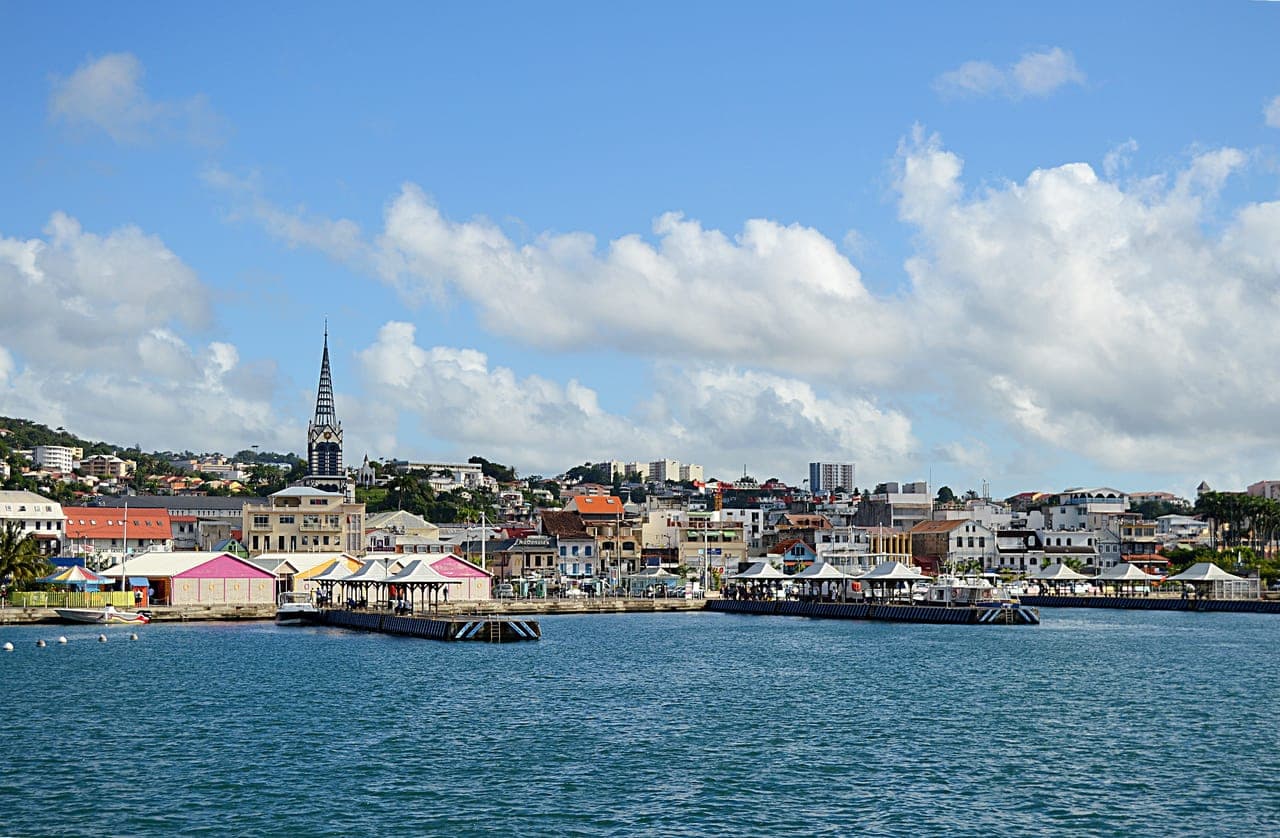
Martinique (Fort-de-France)
The most French place in the Caribbean — boulangeries, rhum agricole, Creole cuisine, and beaches that rival the Riviera.
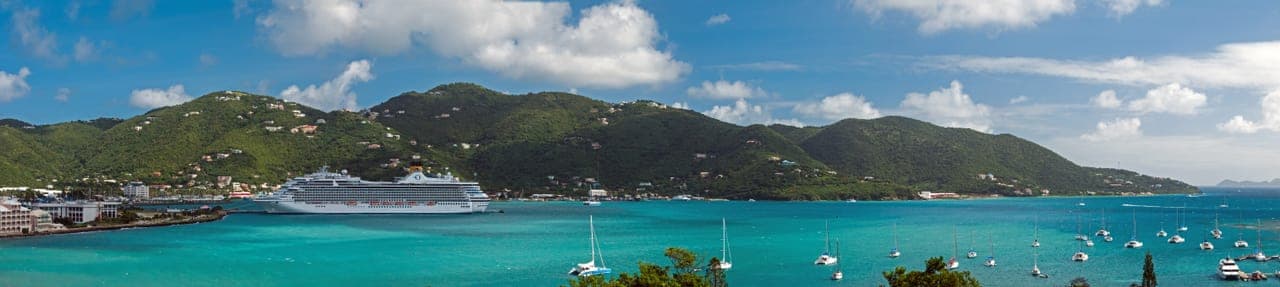
Tortola (Road Town)
The sailing capital of the Caribbean — pristine BVI waters, Cane Garden Bay, and access to the magical Baths at Virgin Gorda.
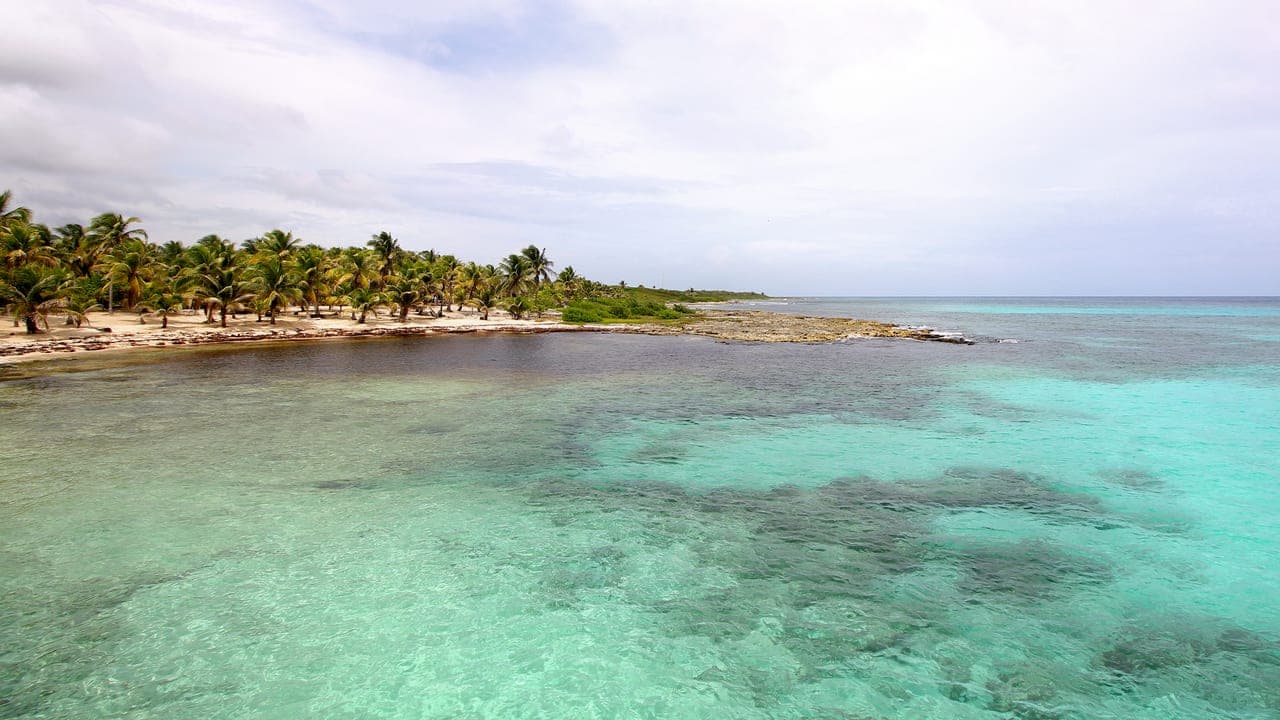
Costa Maya
Mexico's quieter Caribbean coast — Mayan ruins, turquoise lagoons, and a genuine fishing village just minutes from the pier.
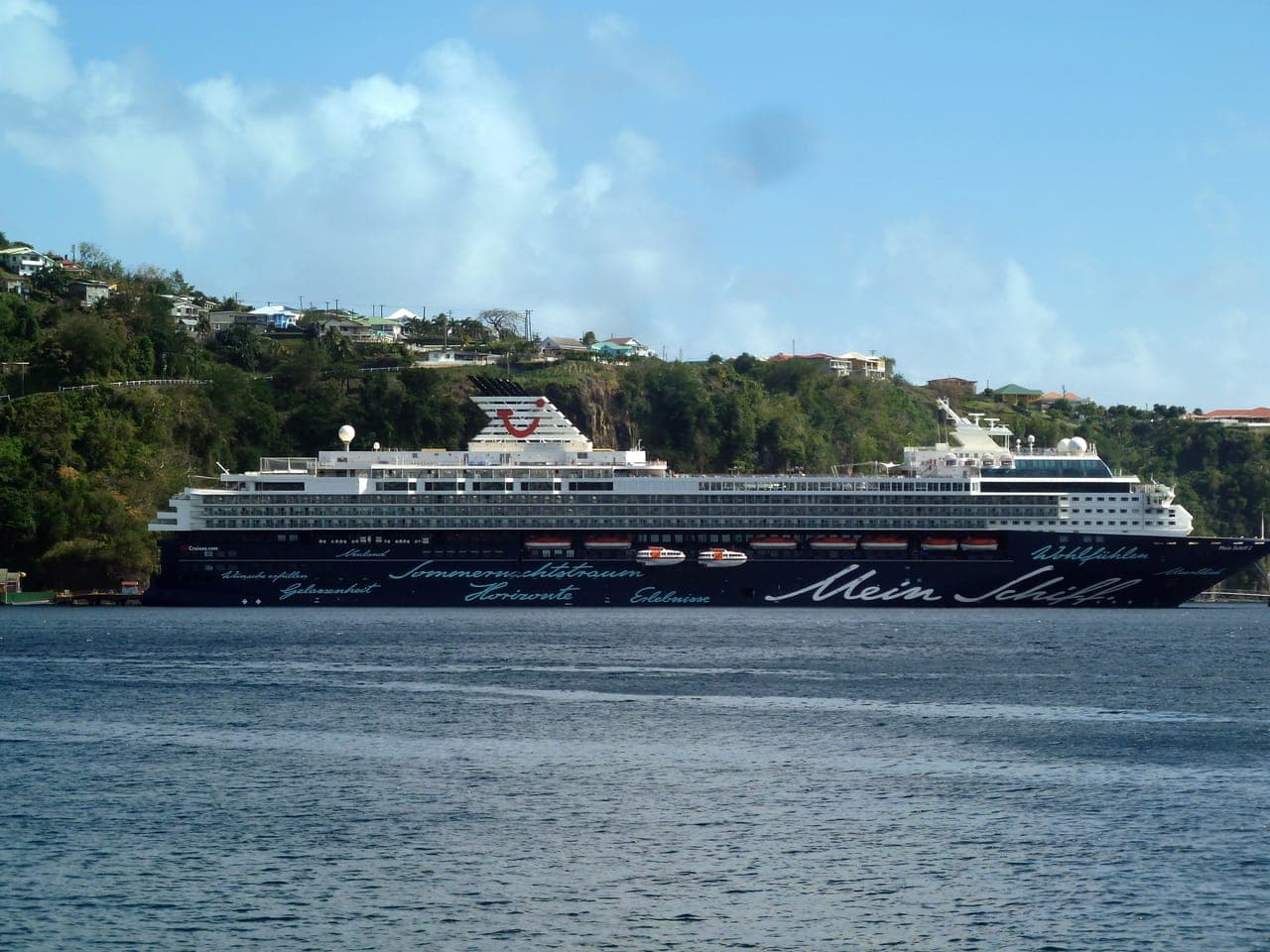
St. Vincent (Kingstown)
Gateway to the Grenadines — volcanic peaks, the oldest botanical garden in the Western Hemisphere, and the Tobago Cays marine park.
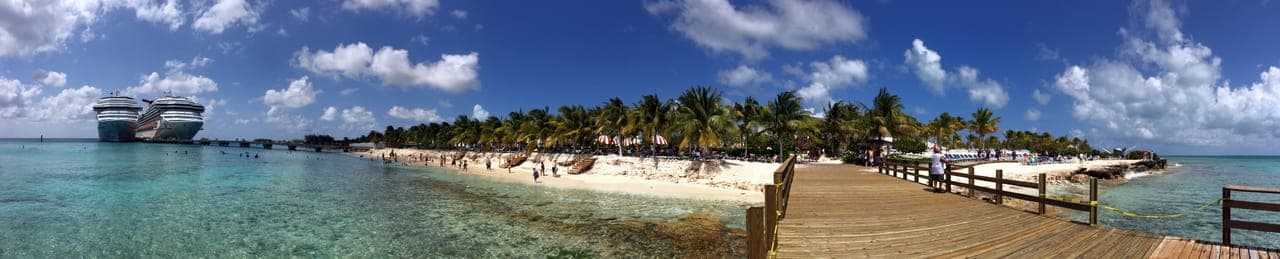
Grand Turk
Turquoise water, a world-famous wall dive, wild horses on the beach, and a Caribbean island that time forgot.
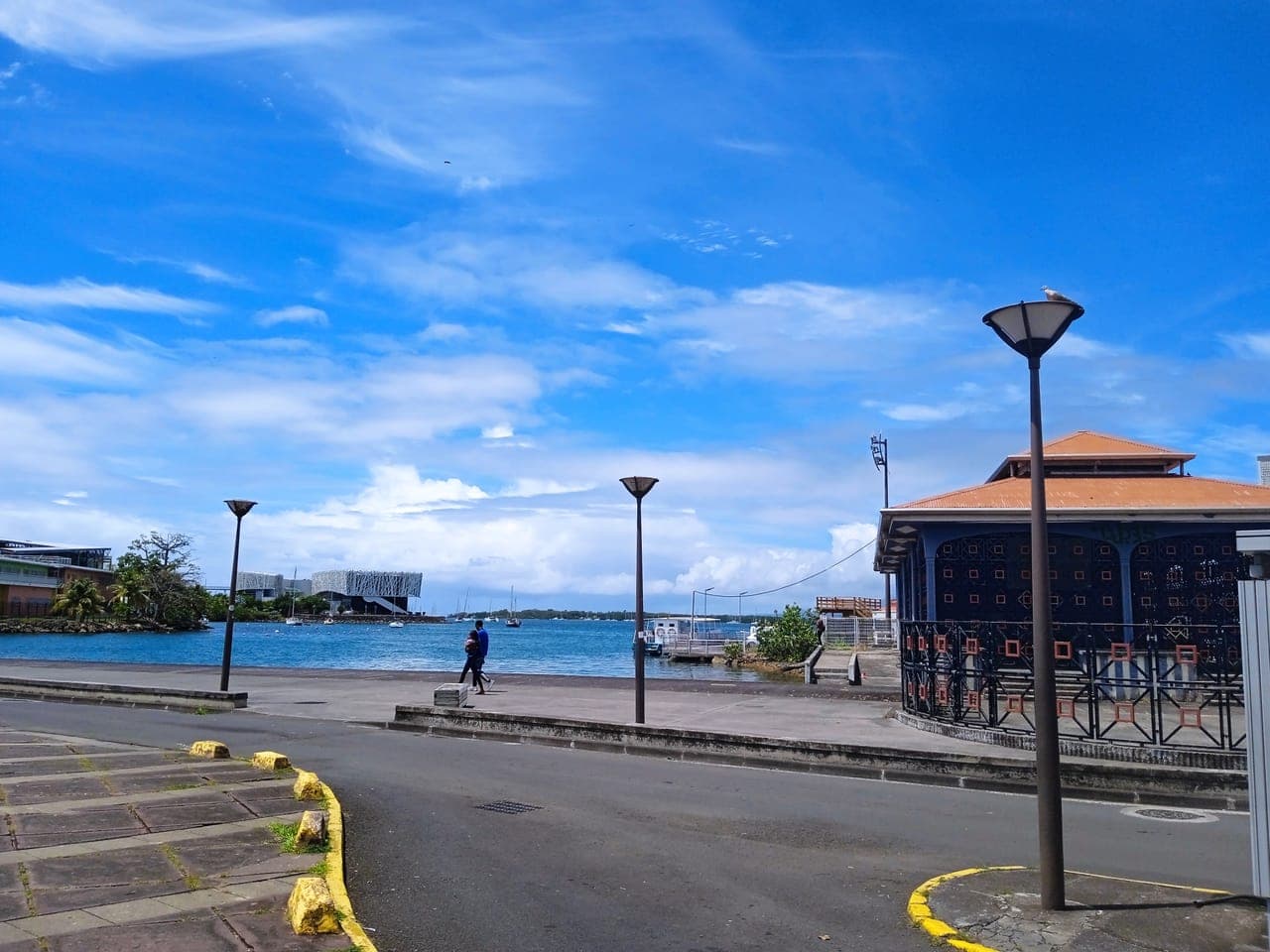
Guadeloupe (Pointe-à-Pitre)
A French Caribbean butterfly — volcanic peaks, white-sand beaches, and Creole cuisine in an overseas corner of France.
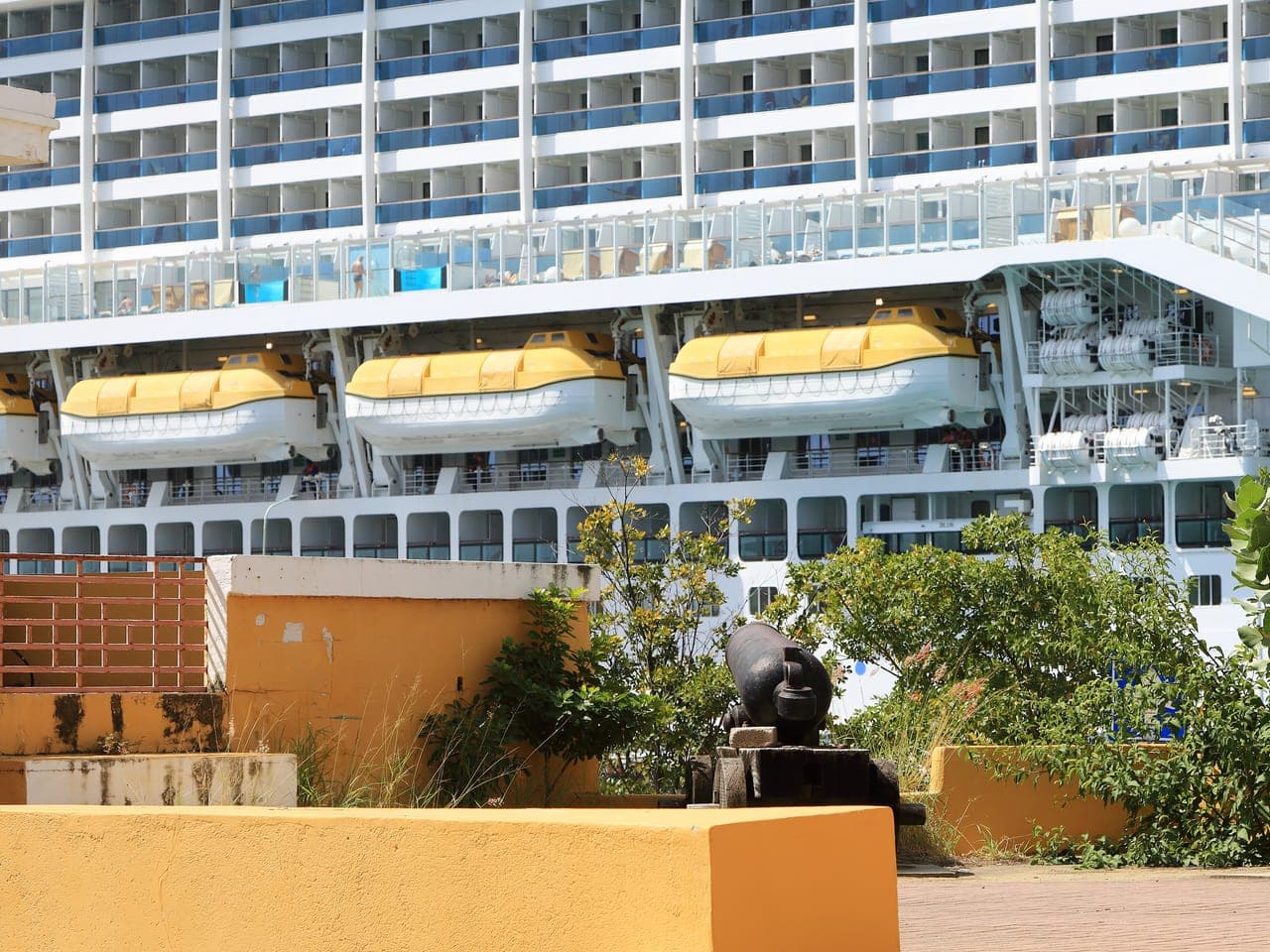
Bonaire (Kralendijk)
The diver's paradise of the southern Caribbean — shore diving from dawn to dusk with flamingos for company.
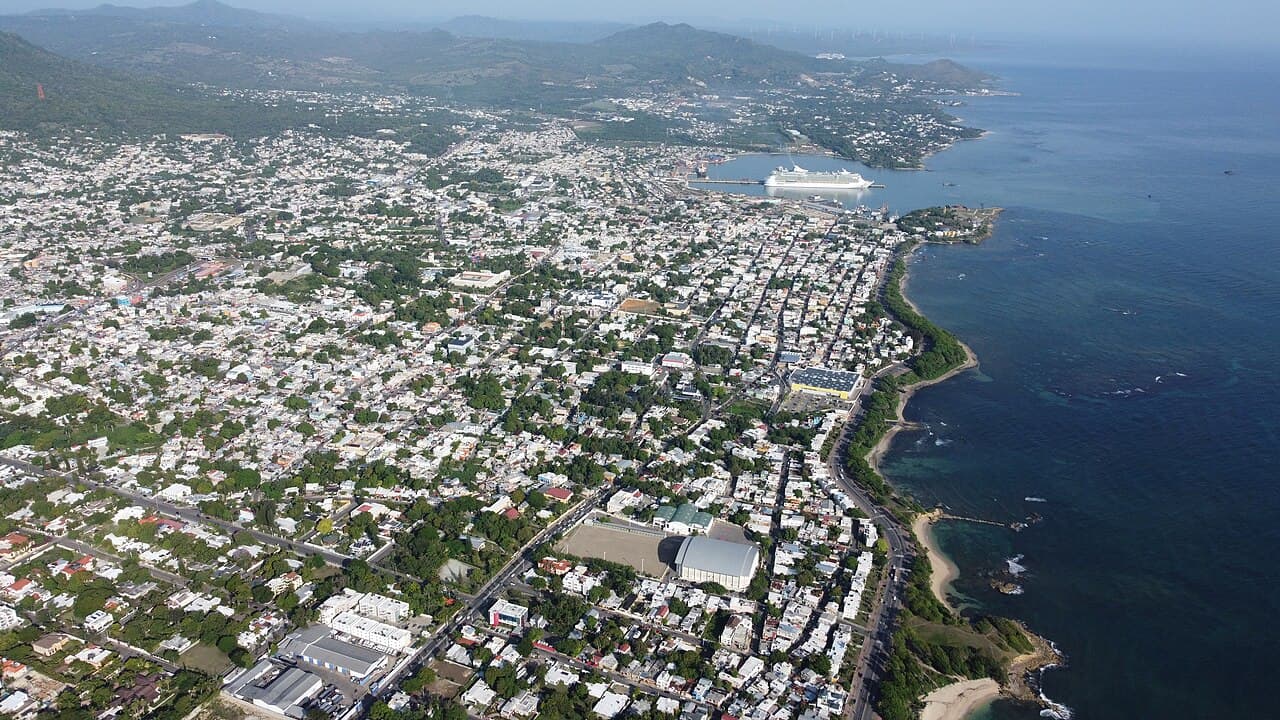
Puerto Plata
The Silver Coast of the Dominican Republic — a hilltop fortress, amber mines, and a cable car over the Caribbean.
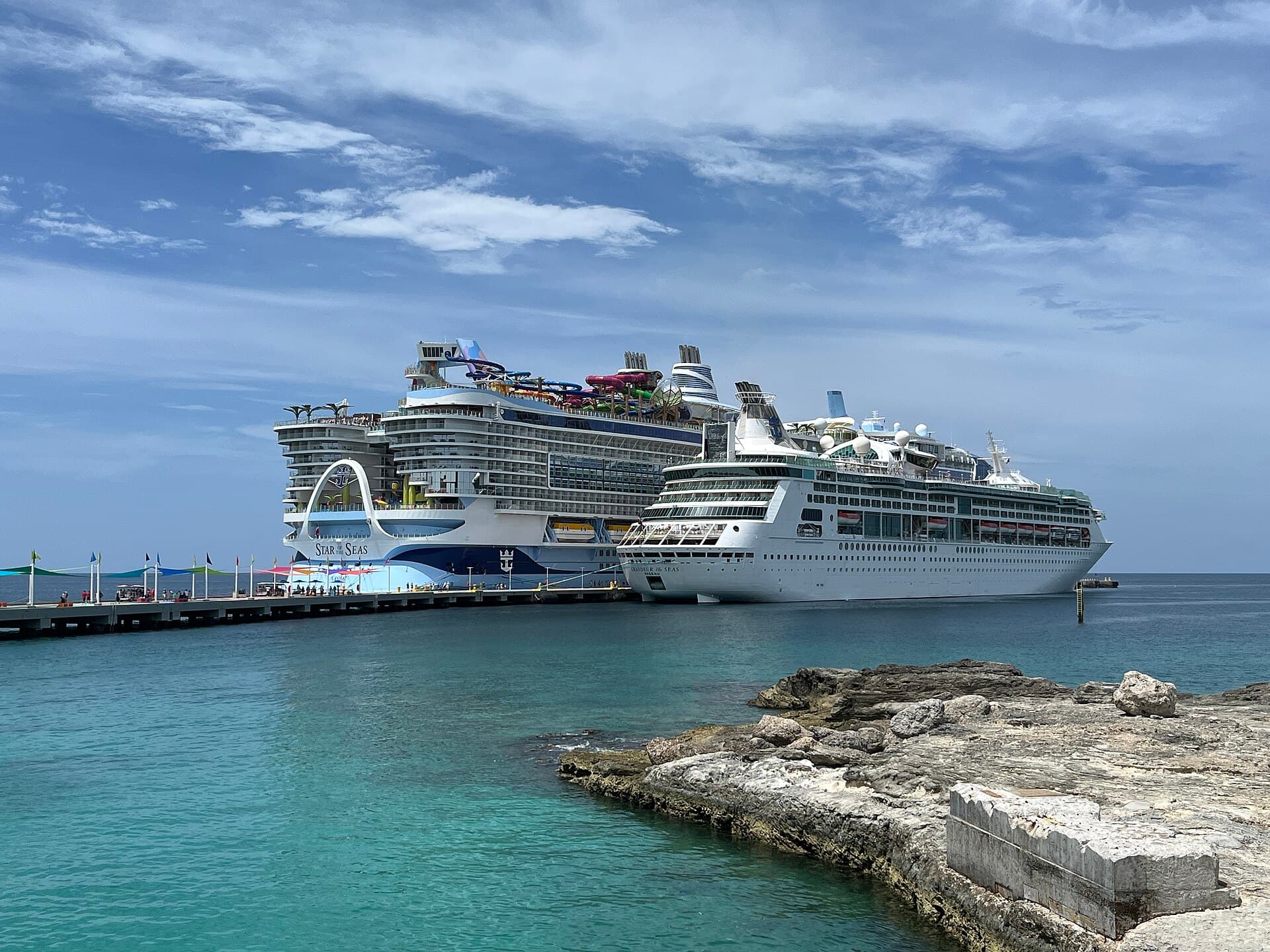
Perfect Day at CocoCay
Royal Caribbean's private island playground with beach clubs, a giant waterpark, and clear Bahamian water.
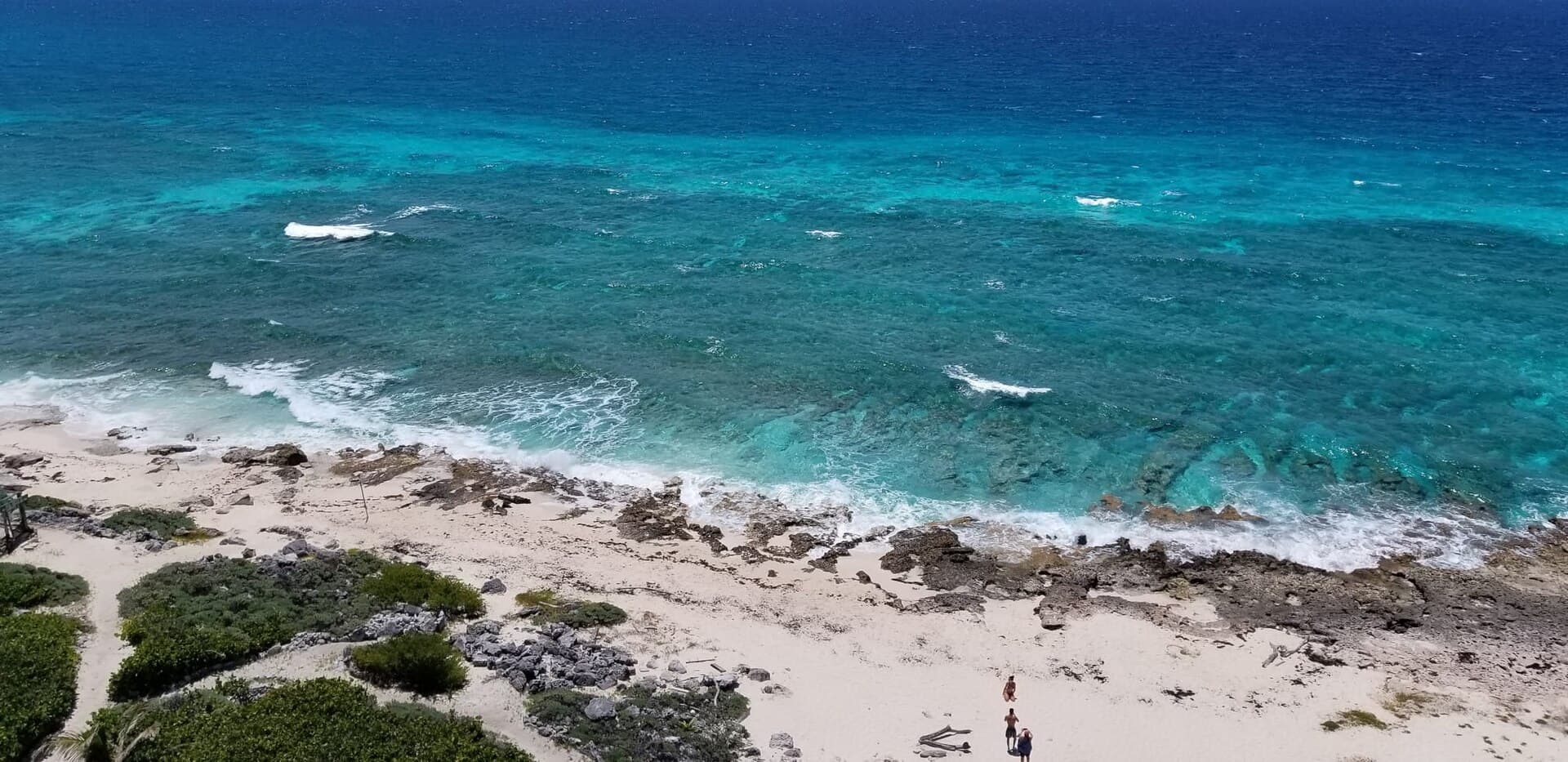
Labadee
A dramatic Haitian peninsula leased for cruise guests, known for beaches, zip lines, and mountain views.
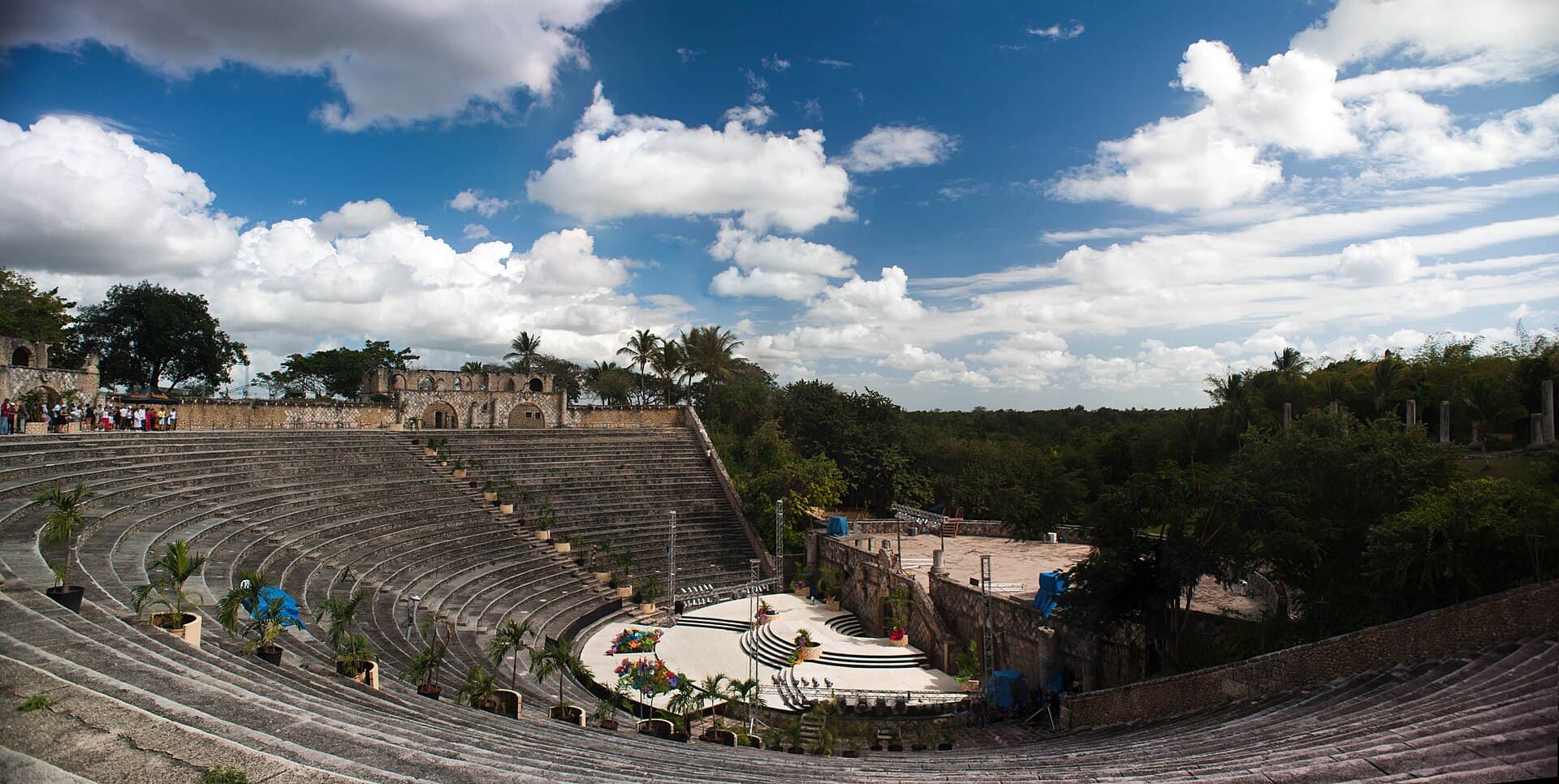
La Romana
Gateway to Altos de Chavon, Casa de Campo, and clear-water island escapes on the Dominican southeast coast.

Half Moon Cay (RelaxAway)
Carnival's private Bahamian island with powder-soft beaches, turquoise shallows, and laid-back beach-day energy.

Great Stirrup Cay
NCL's private island retreat with calm coves, reef snorkeling, and a classic easy Caribbean beach day.
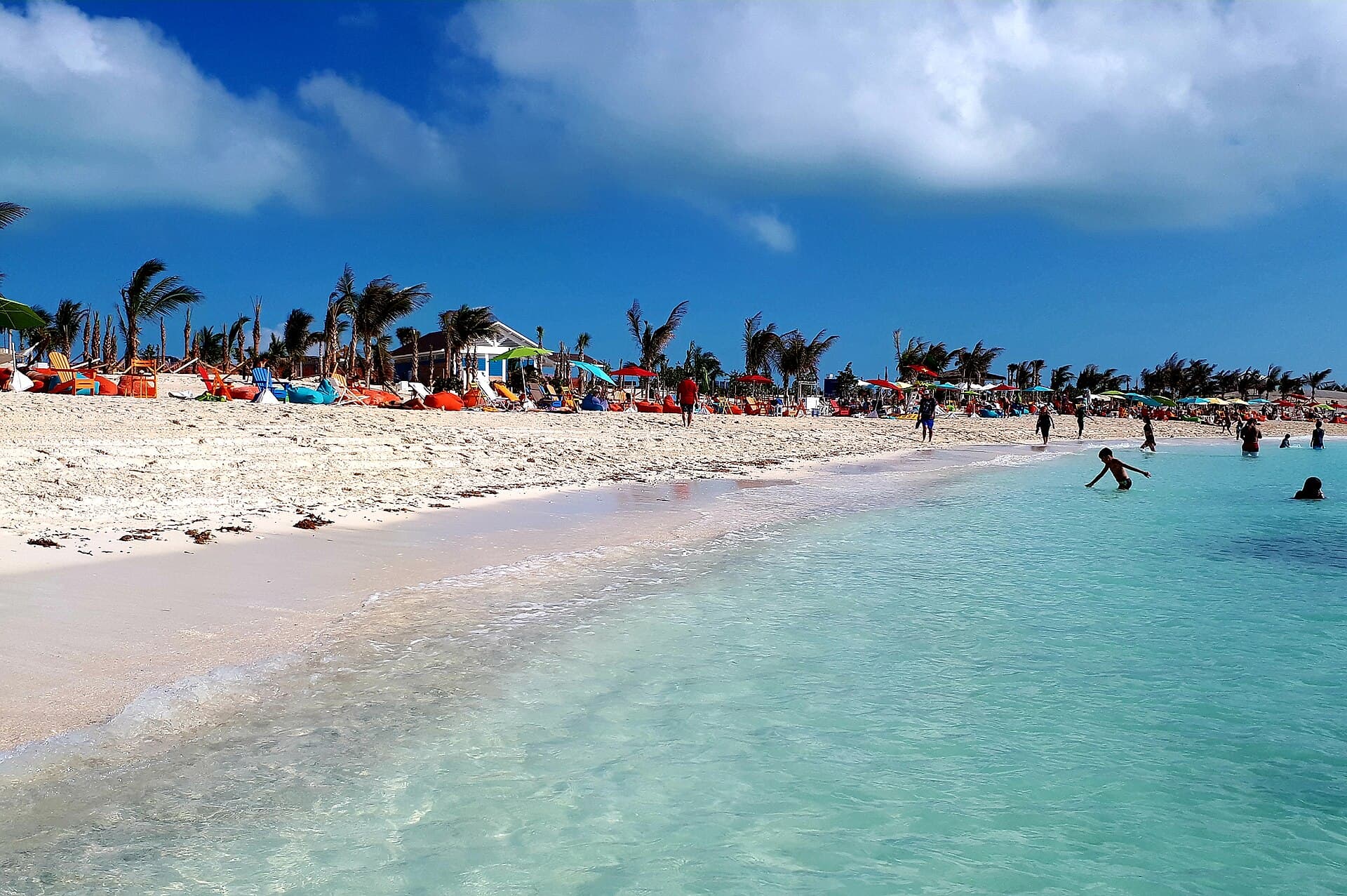
Ocean Cay MSC Marine Reserve
MSC's marine-reserve island with multiple beaches, a central lagoon, and a modern lighthouse at sunset.
Bimini
The closest Bahamian islands to Florida, famous for clear water, fishing legends, and easy beach days.
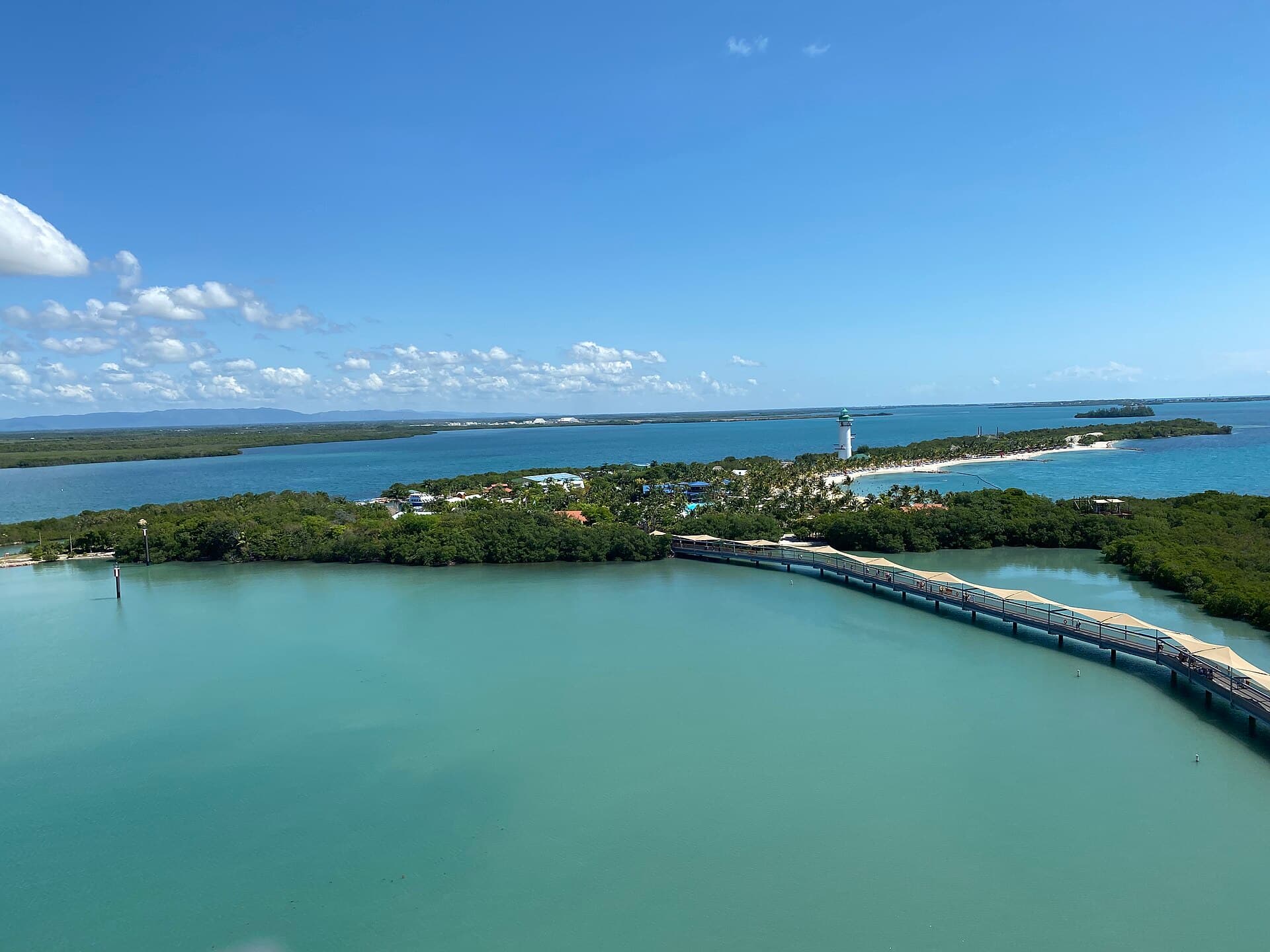
Harvest Caye
NCL's private Belize destination with a giant pool, beach access, and quick launches to mainland adventures.
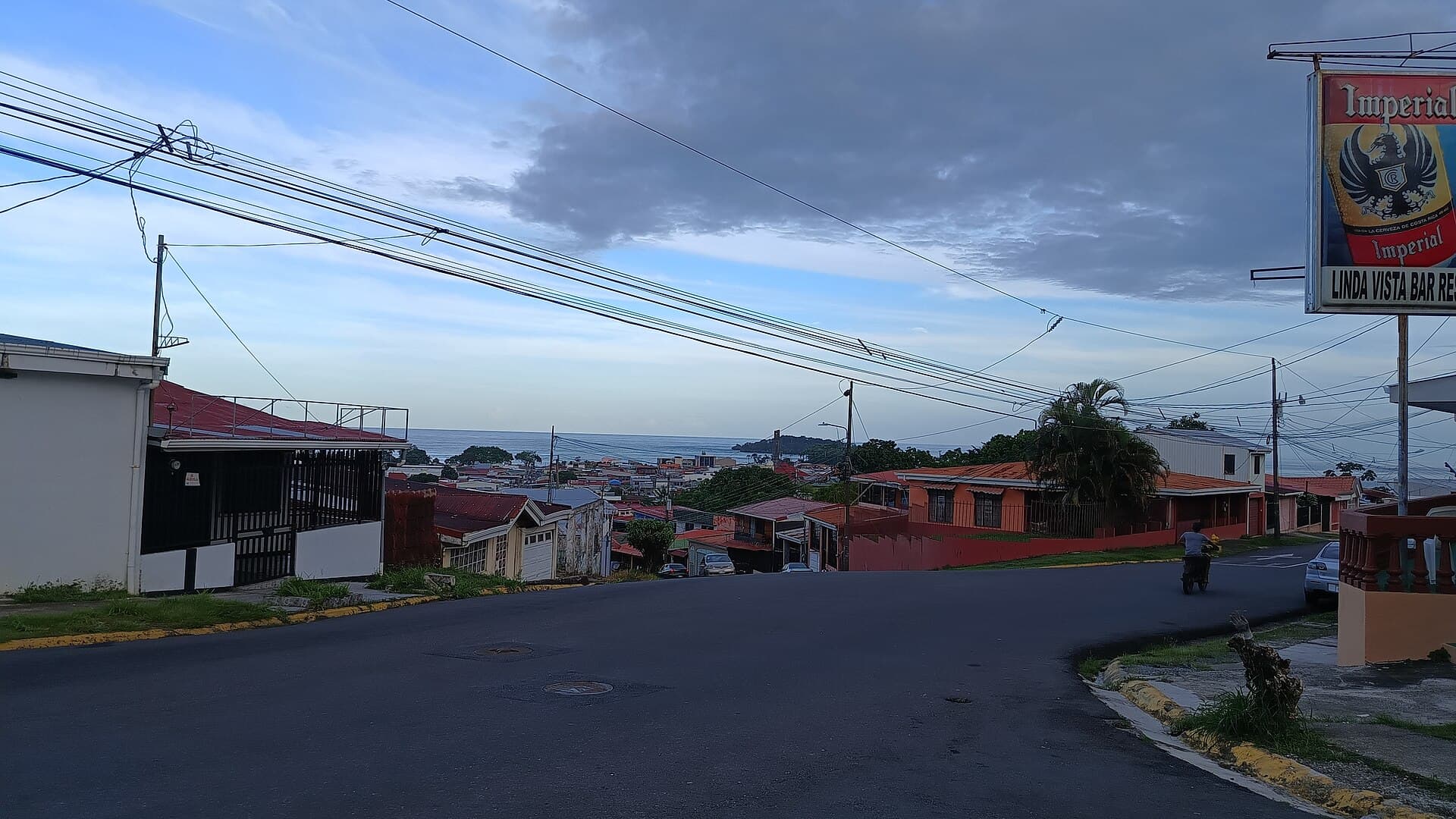
Puerto Limon
Costa Rica's Caribbean gateway for rainforest wildlife, Afro-Caribbean cuisine, and easy eco-adventure day trips.
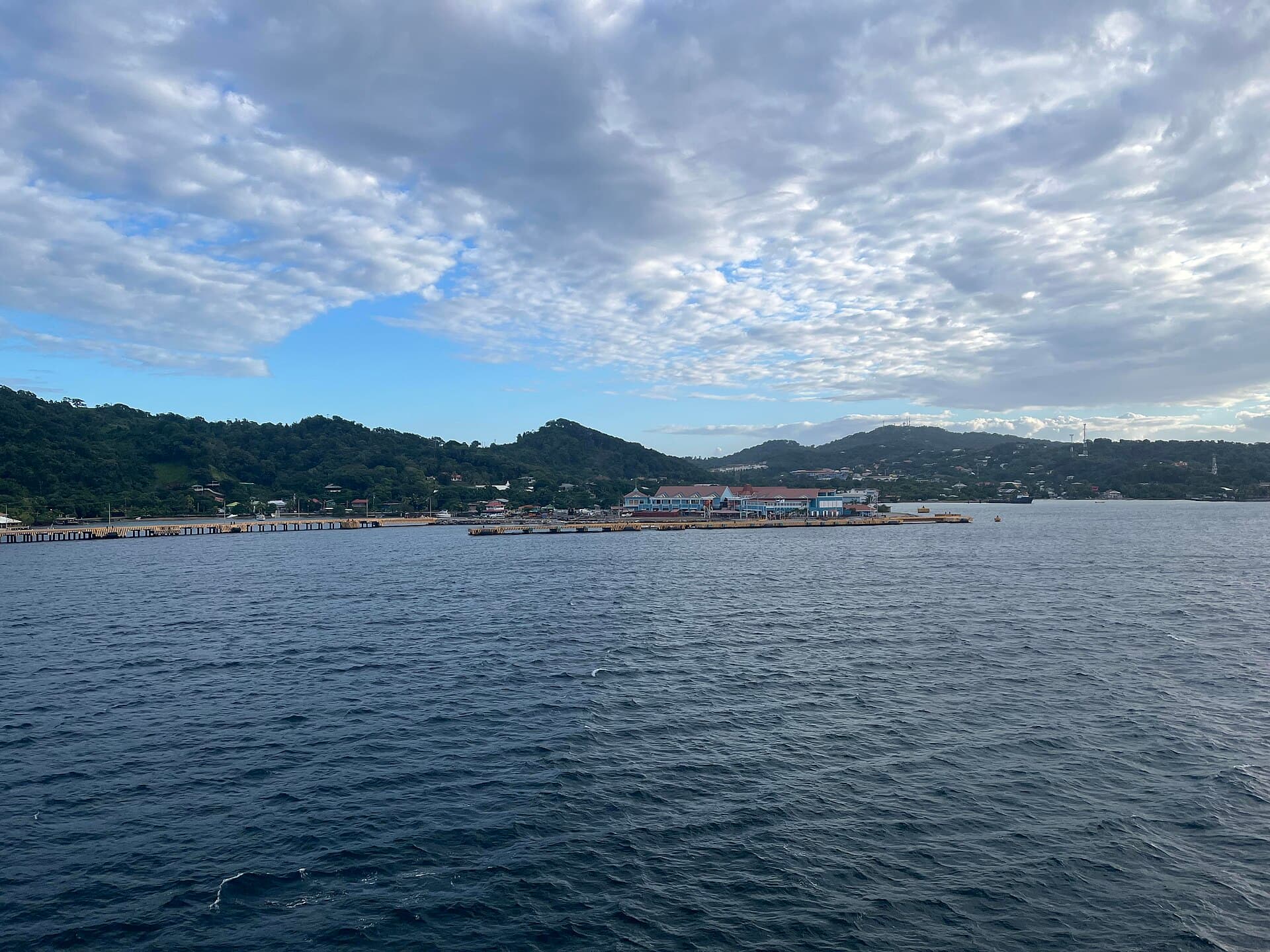
Isla Tropicale (Mahogany Bay), Roatán
Carnival's Roatan cruise center with direct pier access, an on-site beach, and quick launches to the island's best snorkeling and shoreline escapes.
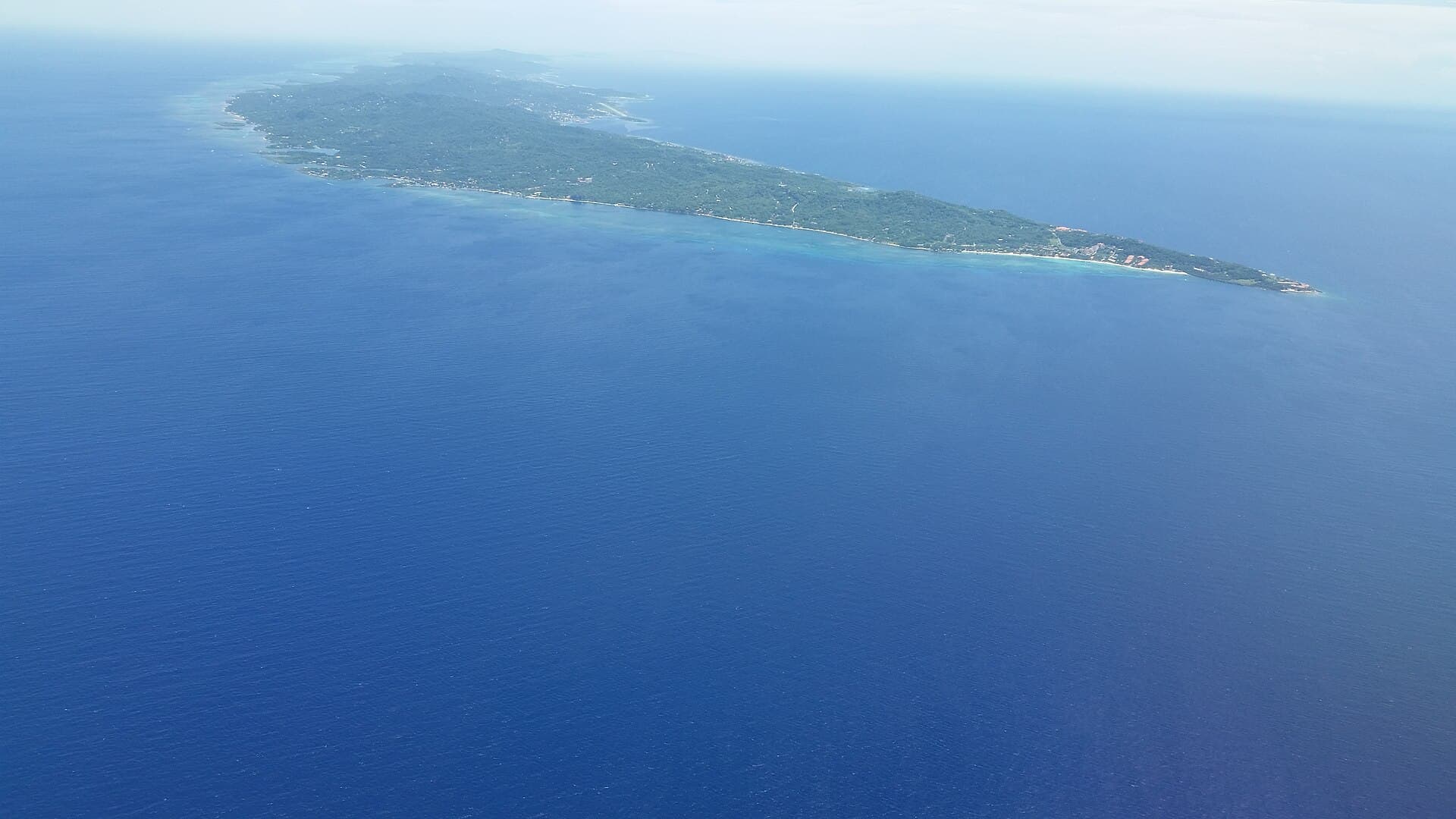
West Bay (Roatan)
Roatan's showpiece beach - white sand, reef snorkeling from shore, and the clearest cruise-day water on the island.
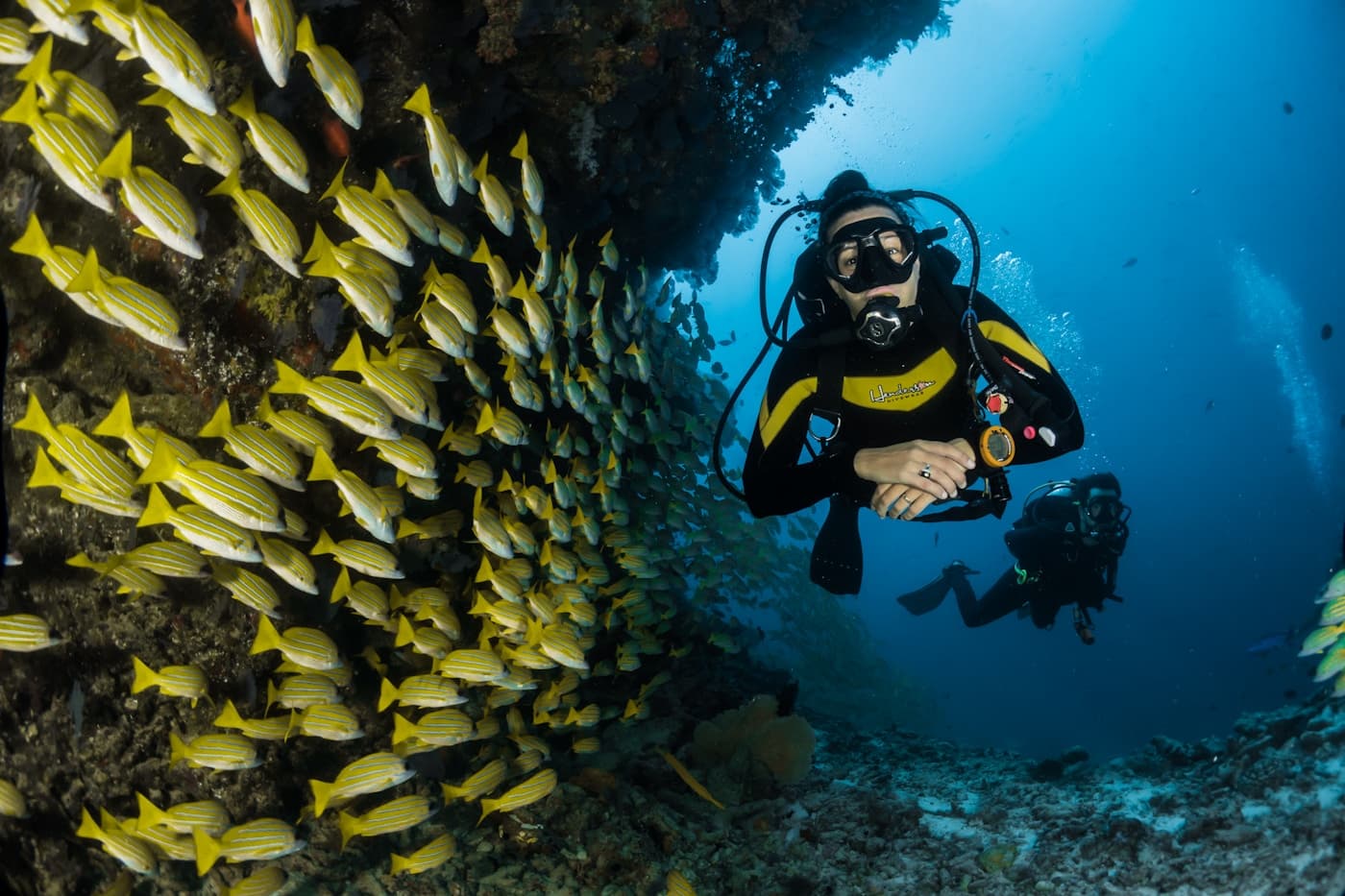
Mahahual
The laid-back fishing village just beyond Costa Maya - beachfront palapas, cheap seafood, and the local version of the cruise stop.
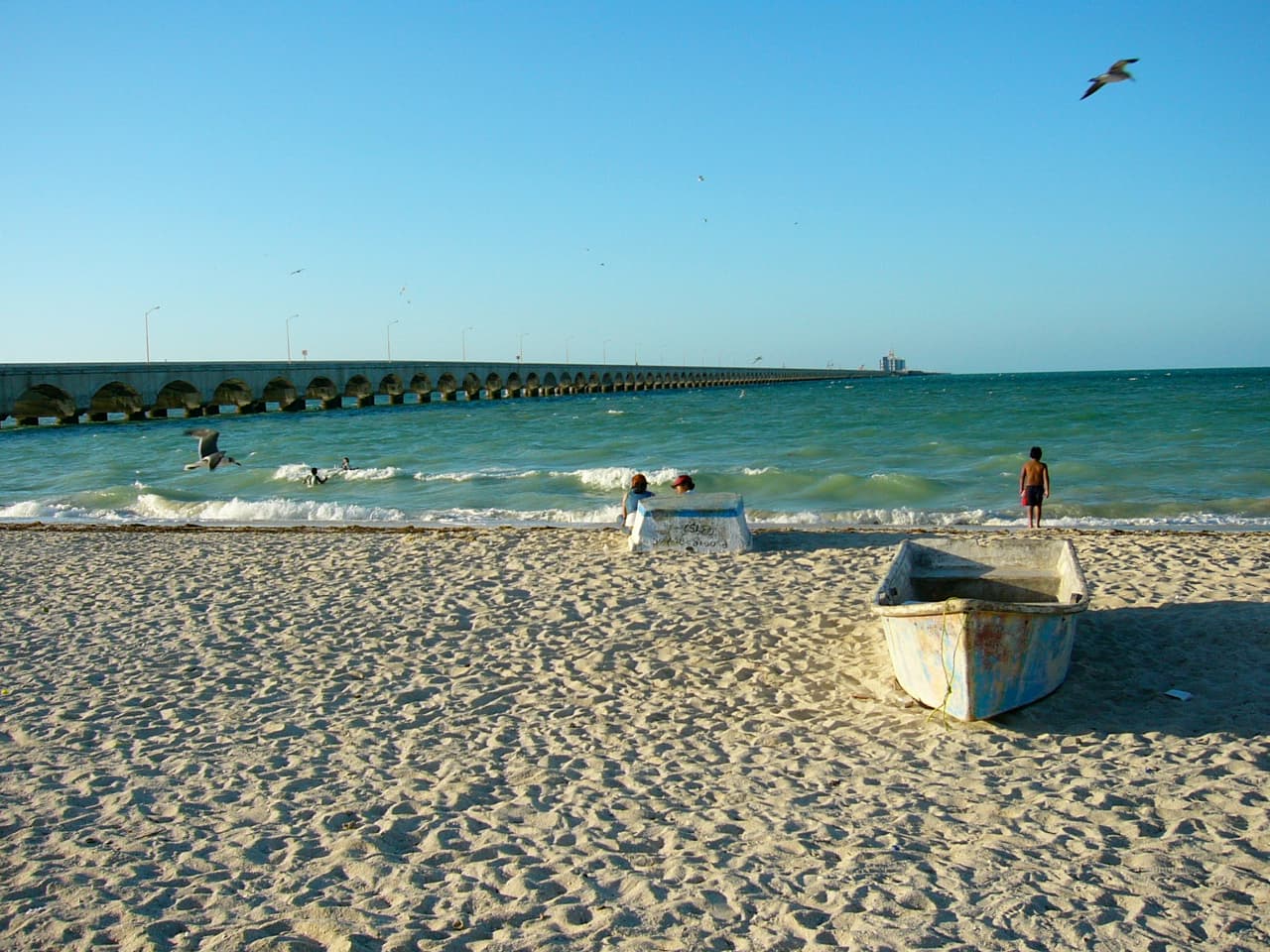
Progreso
The quiet Yucatán beach town with the world's longest pier — and the closest cruise gateway to Mérida and Chichén Itzá.
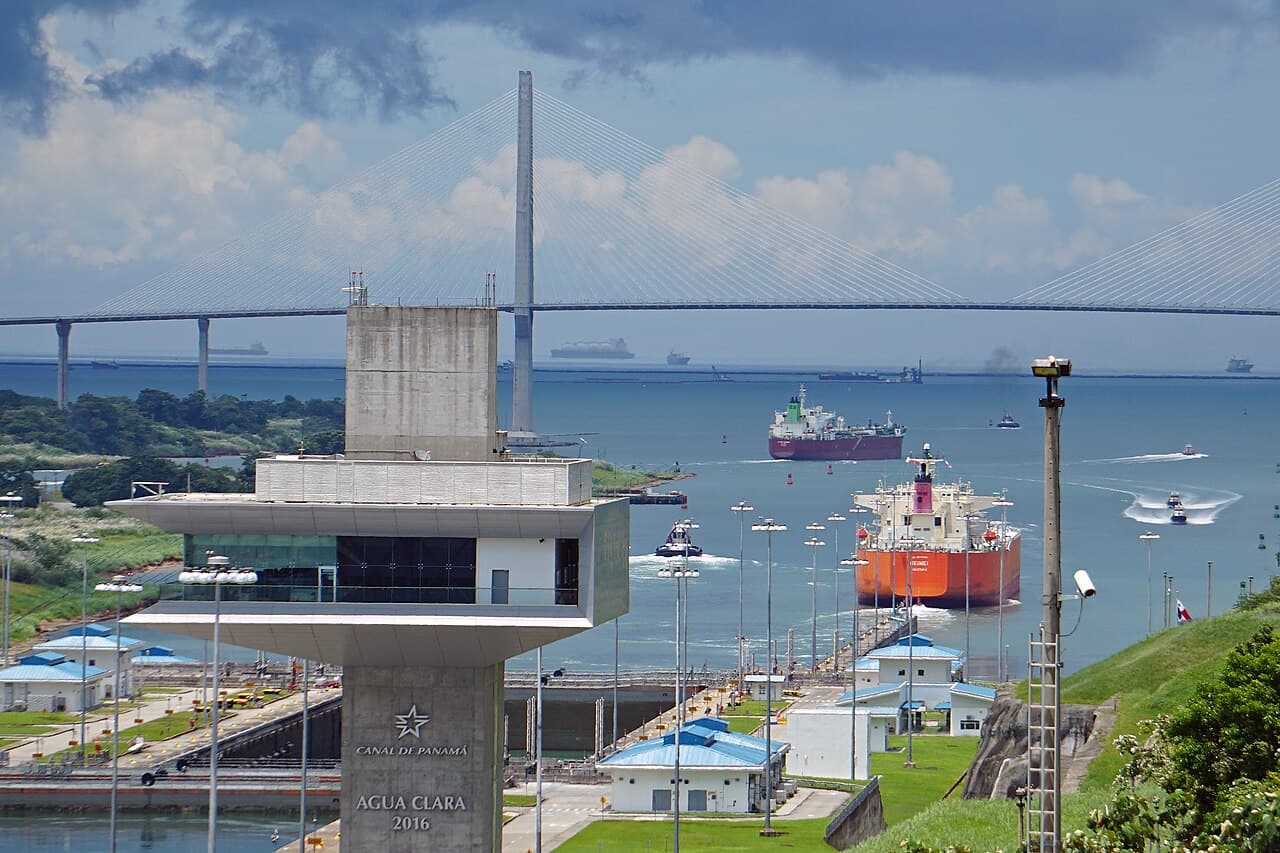
Colón (Panama Canal)
The Caribbean gateway to one of the great engineering feats on Earth — full transits, lock visits, and rainforest day trips.
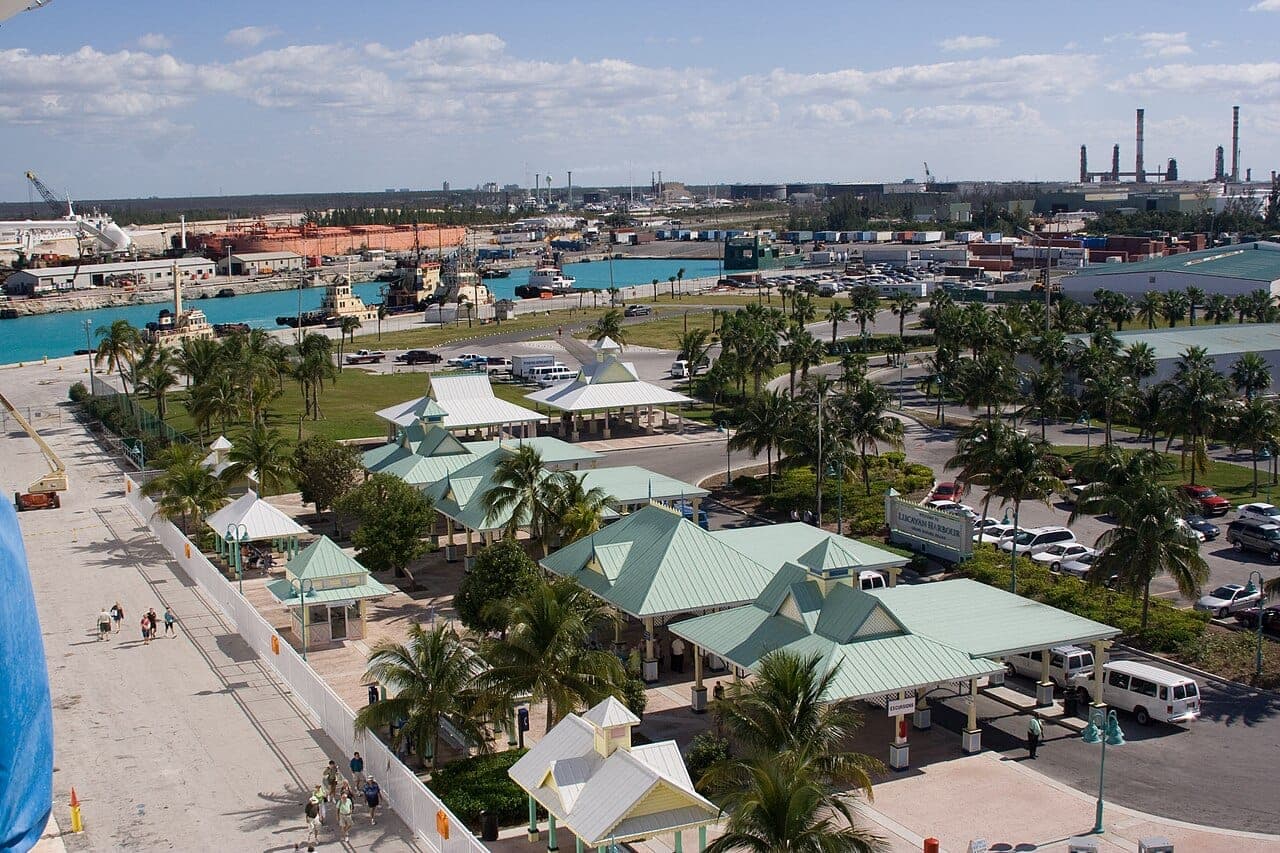
Freeport (Lucaya)
Grand Bahama's quieter port — underwater caves, a genuine beach town, and swimming pigs a boat ride away.
Ships that sail the Caribbean
What's onboard, cabins, and video tours.
Icon of the Seas
The world's largest cruise ship — seven neighbourhoods, endless adventure.
Carnival Jubilee
Carnival's Excel-class flagship — the biggest, most fun ship to sail from Texas.
MSC World America
MSC's bold North American debut — European elegance meets mega-ship scale.
Norwegian Aqua
NCL's most innovative ship — home to the world's first hybrid water-coaster at sea.
Celebrity Ascent
Refined luxury meets cutting-edge design — Celebrity's finest ship yet.
Sun Princess
Princess' most ambitious ship — incredible destinations, beautiful ship.
Caribbean cruise questions
Which Caribbean itinerary is best for a first cruise?+
Eastern Caribbean. The sailing distances are short, the sea is calmer than the open-Atlantic southern routes, the ports are the most walkable in the region, and nearly every stop has a good beach close to the pier. Western Caribbean is a close second and slightly better value, but Cozumel and Costa Maya involve longer tender or transfer times.
Do I need to book Caribbean shore excursions in advance?+
For most beach days, no — you can walk off and arrange a taxi or beach club on the spot for less. Book ahead only for capacity-limited experiences: swimming with stingrays in Grand Cayman, cave tubing in Belize, catamaran trips, and anything involving scuba certification. Those genuinely sell out.
Is it safe to explore a Caribbean port on your own?+
In the great majority of ports, yes, provided you stay in the tourist and beach districts, use licensed taxis, and are back at the pier well before all-aboard. A few ports — including parts of Nassau away from the strip, and downtown areas in some Jamaican and Central American stops — deserve more caution, and our individual port guides say so explicitly rather than glossing over it.
What happens if a hurricane is forecast during my cruise?+
The captain reroutes. Ships move faster than storms and simply sail to the other side of the Caribbean, so cruises are very rarely cancelled outright — but your ports can change with a day's notice or less. Cruise lines refund port fees for missed stops, though not excursions booked independently. If you have booked with a third party, check their weather policy before you sail.
How much time do you actually get in a Caribbean port?+
Typically eight to nine hours alongside, and less than that ashore once you subtract disembarkation queues and the all-aboard time, which is usually thirty minutes before departure. Treat a nominal 8am–5pm call as roughly seven usable hours, and considerably less at tender ports like Grand Cayman or Belize City, where getting ashore can take over an hour at peak.