

Northern Europe Cruise Ports
Medieval old towns, Nordic design, and capitals built across islands and canals.
Northern Europe and Baltic itineraries string together capital cities that each did something distinctive with water: Amsterdam built its wealth on canals, Stockholm spreads across fourteen islands, Copenhagen's most photographed street is a canal lined with 17th-century townhouses, and Tallinn's medieval walls still ring an old town that looks much as it did five hundred years ago. It's a region built for people who want cities and history over beaches and reefs.
The single most important thing to know before any port day here is which specific terminal your ship uses — Copenhagen and Helsinki both have a walkable central berth and a commercial port needing transport, and cruise lines don't always make it obvious which one you'll get until close to sailing. Checking this in advance changes whether your day starts with a stroll or a shuttle.
This region also rewards planning further than most in one specific way: Amsterdam's Anne Frank House releases tickets exactly six weeks ahead and sells out in minutes, a booking window unlike anything in the Caribbean or even the Mediterranean's timed-entry sites. If a specific must-see sits on your itinerary, it's worth checking the booking window before you sail, not after you arrive.
Choosing dates and a route? Baltic Cruises 2027: Season & Ports
When to sail
- Best months
- June through August — the warmest weather, the longest daylight (nearly 24-hour light in Helsinki and Stockholm at midsummer), and every attraction fully open.
- Shoulder season
- May and September offer noticeably fewer crowds and lower fares, with cooler but still comfortable weather for walking-heavy port days.
- When to think twice
- October through April. Most Northern Europe and Baltic itineraries don't operate outside the summer season, and daylight and warmth both drop off sharply.
Getting around
Tallinn is the most straightforward port in the region — ships dock right at the pier with the old town a flat, signposted walk away. Copenhagen and Helsinki both have a walkable central berth and a commercial port requiring a shuttle, taxi, or tram — check which one applies before you disembark. Stockholm and Amsterdam both need a short taxi or tram ride from the pier, but public transport in every city here is fast, clean, and easy for English speakers to navigate.
Money & language
Denmark and Sweden use their own currencies (krone and krona), while Finland, Estonia, and the Netherlands use the euro — check which applies at each stop, since none of them are interchangeable. Cards and contactless payment are accepted almost everywhere across the region, often preferred over cash. English is spoken to a very high standard throughout, including by nearly everyone working in tourism.
Typical Northern Europe itineraries
How the major cruise lines usually string these ports together.
Baltic capitals round trip
7–10 nightsCopenhagen · Stockholm · Helsinki · Tallinn
Northern Europe with fjord calls
10–14 nightsAmsterdam · Copenhagen · Bergen · Geiranger
All 6 Northern Europe port guides
Beaches, food, pier-to-town distances, and an honest verdict on the ship's excursions.
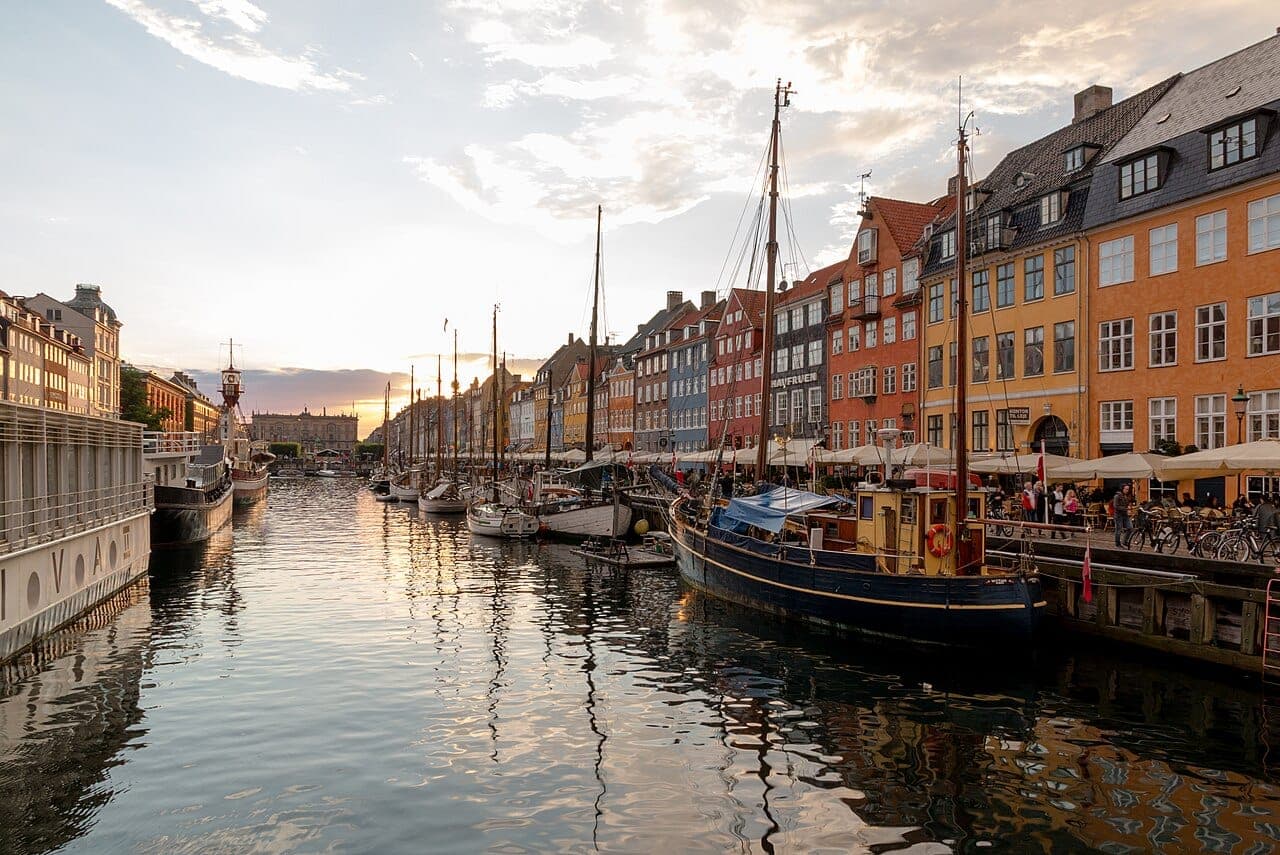
Copenhagen
Colourful canal houses, a tiny mermaid, and the terminal you dock at changes everything about your day.
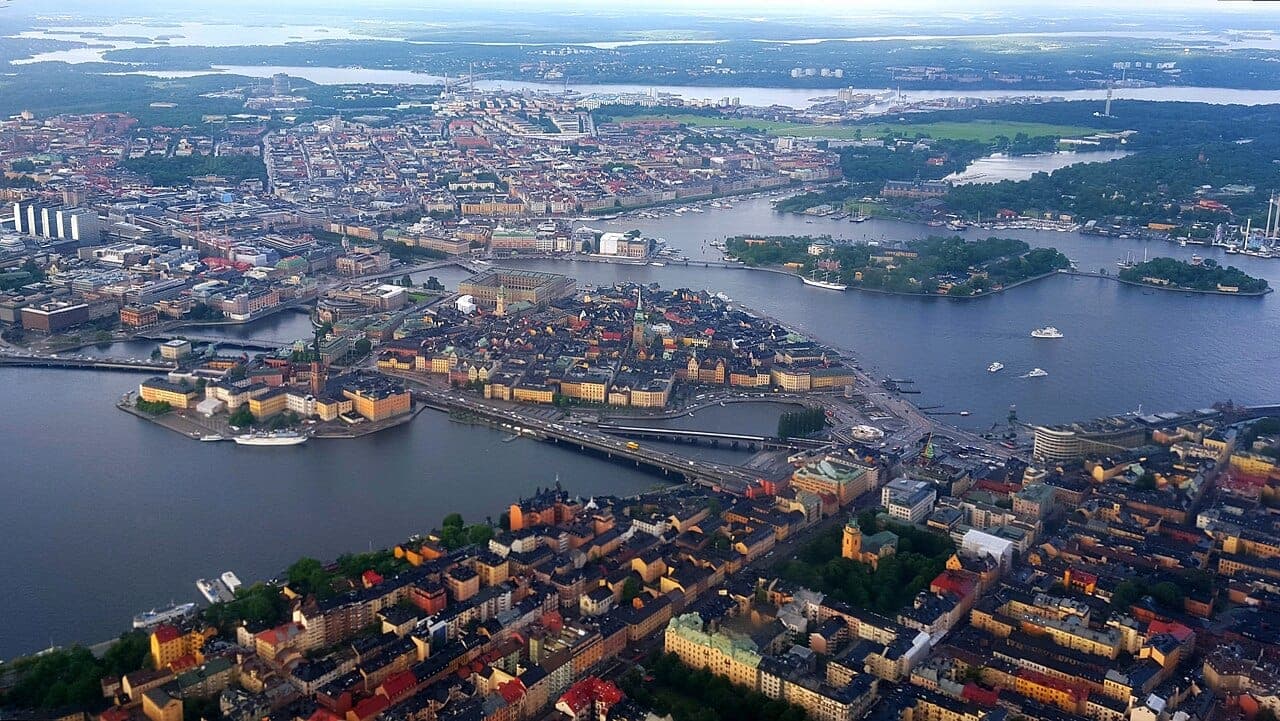
Stockholm
Fourteen islands, a medieval old town, and a 17th-century warship that sank four minutes into its maiden voyage.
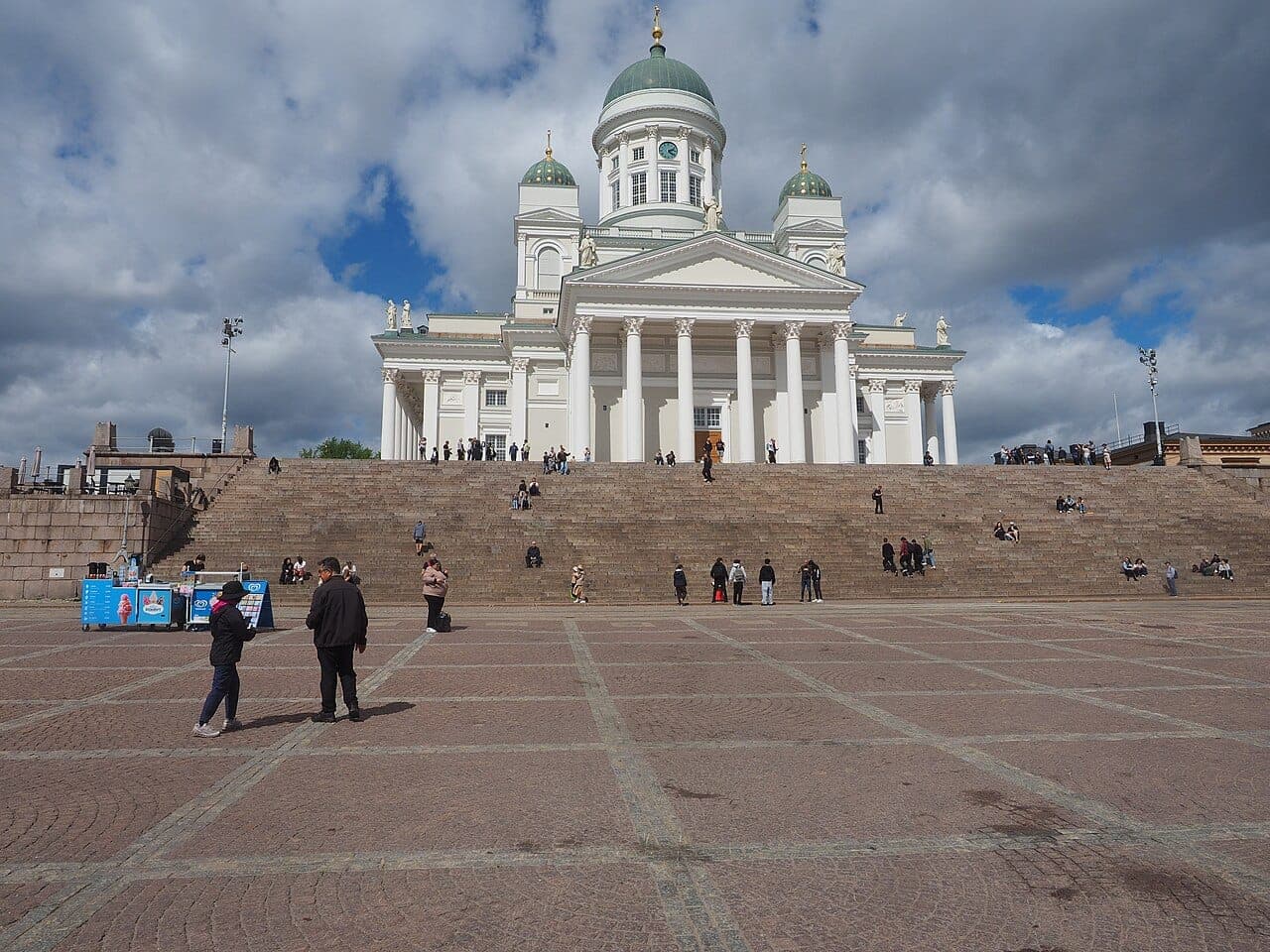
Helsinki
A neoclassical cathedral square, a sea fortress UNESCO site, and Finnish design at every turn.
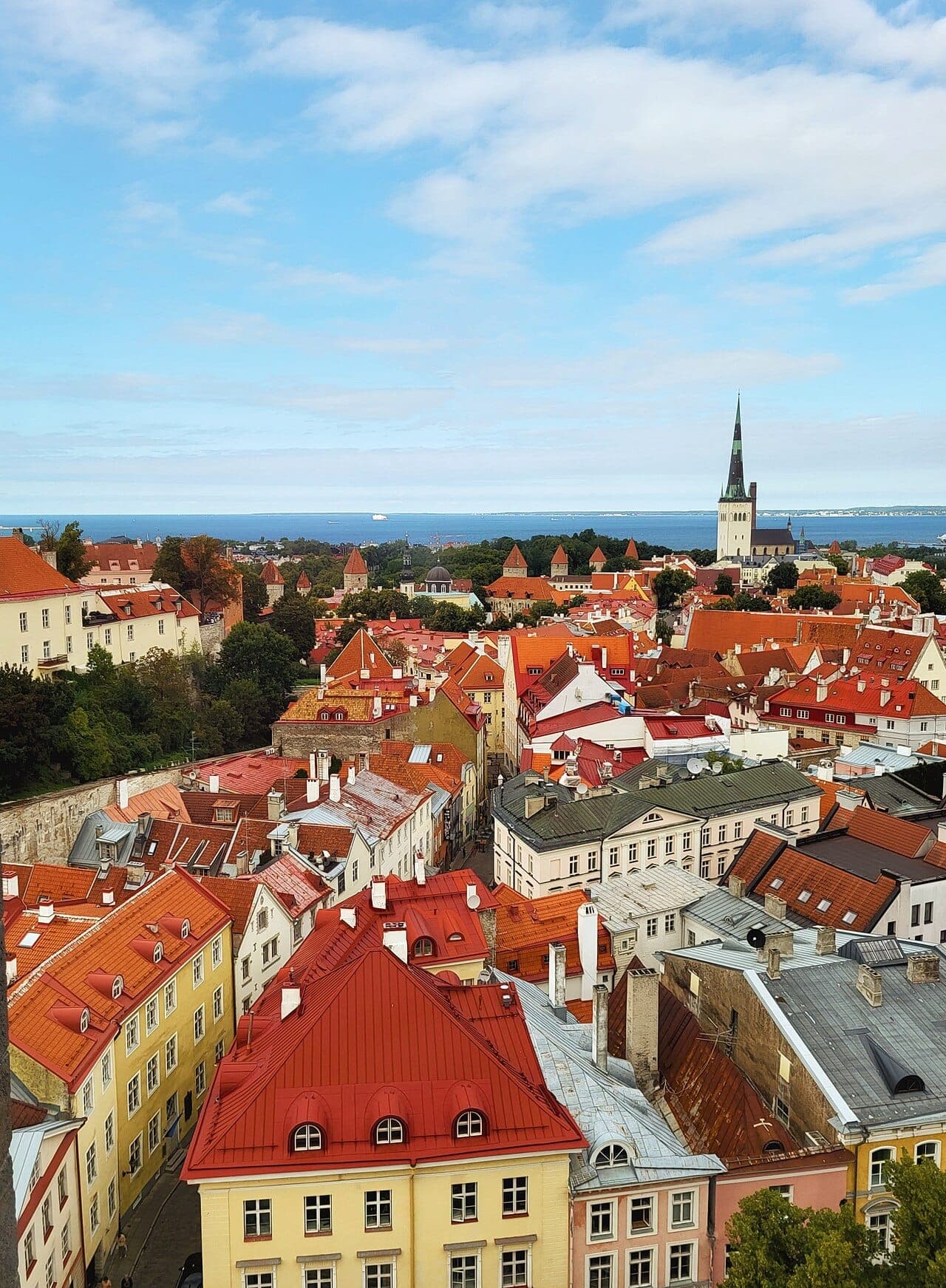
Tallinn
One of Europe's best-preserved medieval old towns, and one of the easiest walks off any ship in the Baltic.
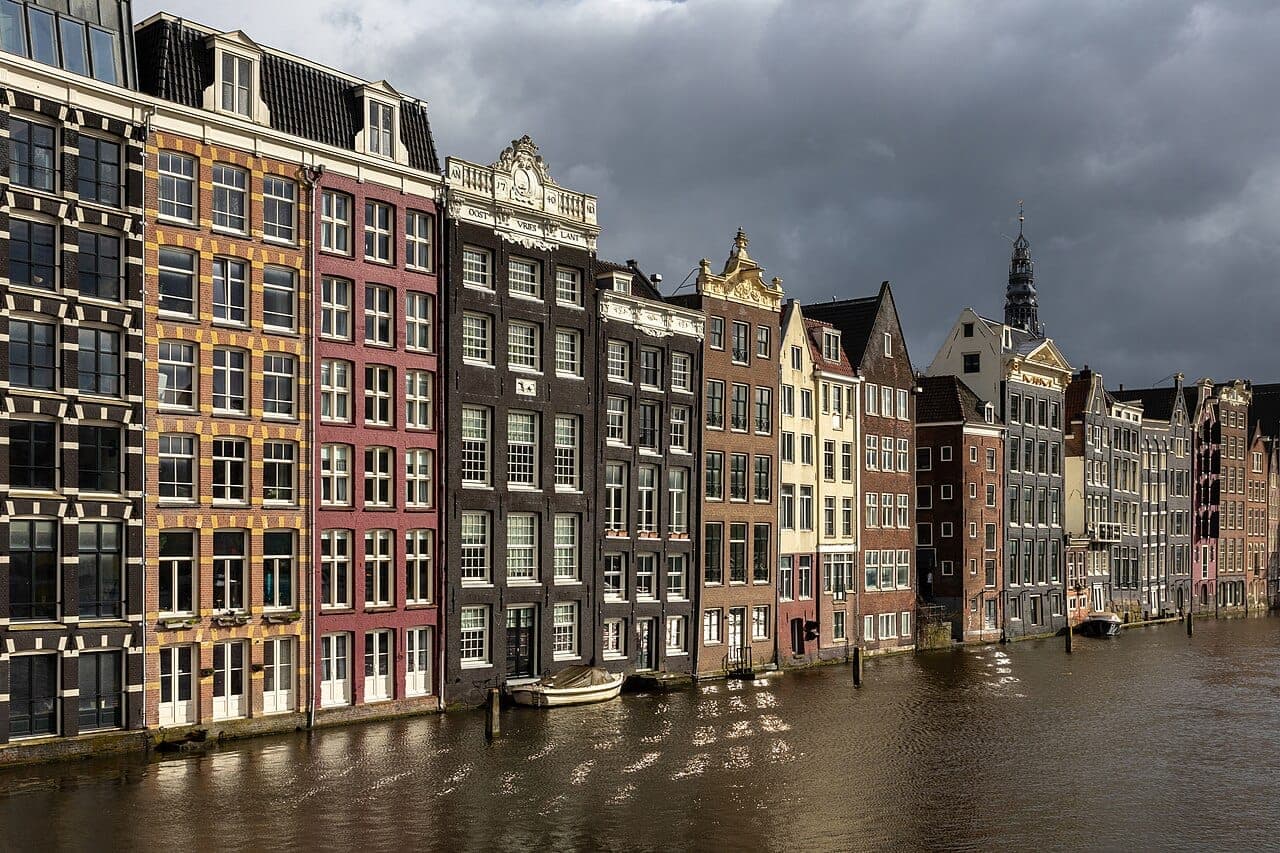
Amsterdam
17th-century canal houses, world-class museums, and a city best seen from the water at least once.
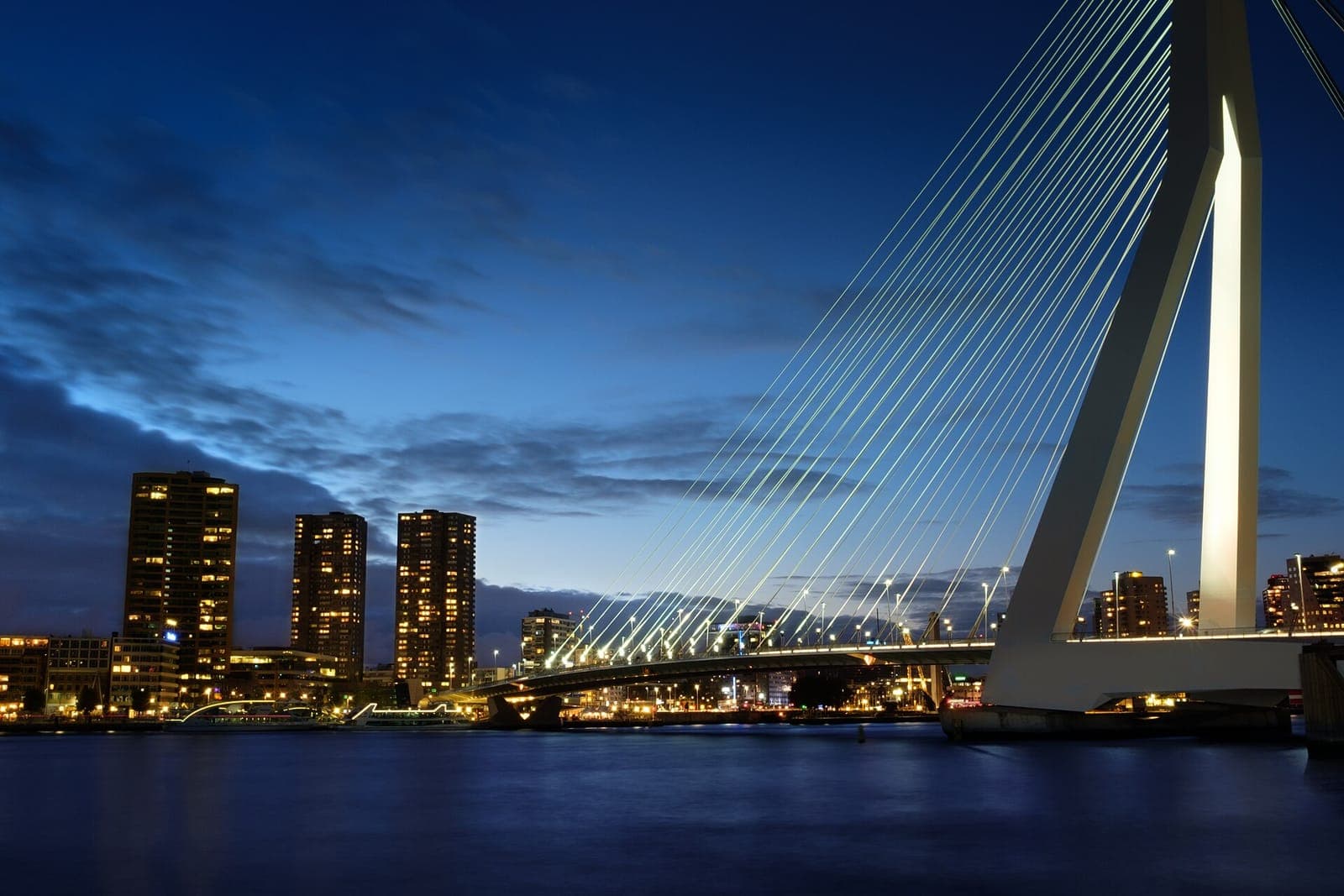
Rotterdam
Europe's biggest port and its boldest skyline: cube houses, a food hall, and Delft and Amsterdam on a train ride.
Ships that sail the Northern Europe
What's onboard, cabins, and video tours.
MSC Virtuosa
Virtue, elegance, and cutting-edge tech — MSC's European flagship.
Enchanted Princess
Southampton's favourite Princess — Mediterranean and beyond.
Celebrity Apex
Edge-class sophistication with exceptional dining and design.
Celebrity Silhouette
A polished premium ship with Solstice-class style, service, and destination depth.
Regal Princess
A large Royal-class Princess ship balancing modern scale with destination-focused cruising.
Norwegian Sun
A compact NCL classic that trades mega-ship scale for easier, relaxed cruising.
Northern Europe cruise questions
Does this region include St. Petersburg, Russia?+
No — mainstream Western cruise lines have suspended calls to St. Petersburg since 2022, and there's no indication that's changed. Historically it was a highlight of Baltic itineraries, but current sailings substitute additional time in the Baltic capitals or an extra Scandinavian port instead.
How do I know which cruise terminal my ship will use in Copenhagen or Helsinki?+
Check your cruise line's port information closer to sailing rather than assuming — both cities have a walkable central berth and a commercial port requiring transport, and which one you get depends on ship size and berth availability on your specific date. It materially changes whether your port day starts with a walk or a shuttle ride.
Do I need to book anything before I sail for this region?+
Only really the Anne Frank House in Amsterdam, whose tickets release exactly six weeks ahead and sell out in minutes — check the release date against your itinerary before you sail. Everything else in this region, including the Vasa Museum and Suomenlinna, can reasonably be planned once you're ashore, though pre-booking timed entries reduces queue time in peak season.
Is Northern Europe a good first international cruise?+
It's a good fit for travellers who want cities, museums, and walkable history over beaches — the ports are safe, English is spoken everywhere, and public transport is easy to navigate independently. It's a poor fit if beach time or warm weather is the priority; pair it with a Mediterranean or Caribbean itinerary instead for that.