

Mexican Riviera Cruise Ports
Desert coastline, colonial old towns, and the easiest international cruise from the US West Coast.
The Mexican Riviera is the West Coast's answer to the Caribbean — a string of Pacific-facing ports strung along Mexico's mainland and the Baja California Peninsula, reachable without the long repositioning cruise that any other international itinerary demands from Los Angeles, San Diego, or Long Beach. It trades turquoise Caribbean water for a starker, more dramatic desert coastline: cactus-covered hills dropping into the Sea of Cortez at Cabo, jungle-clad mountains ringing the bay at Puerto Vallarta.
These ports sit close enough together that a single 7-night round trip typically covers three or four of them, and each has a genuinely different character rather than being interchangeable stops. Cabo San Lucas is built around one landmark — El Arco — and a marina full of water taxis and sportfishing boats. Puerto Vallarta and Mazatlán both pair a real colonial-era old town with a separate, more modern beach strip, so the choice on any given day is less 'which port' and more 'old town or beach, or both if you're efficient about it.'
Ensenada is the odd one out and the most common: the anchor stop on short 3- and 4-night getaways from Southern California, close enough that some cruisers treat it as a half-day bonus rather than the main event. Longer round-trip itineraries out of Los Angeles typically add Cabo, Puerto Vallarta, and Mazatlán into a fuller week, giving considerably more time in each port than a quick Ensenada dash.
When to sail
- Best months
- November through April — warm, dry, and comfortable, with humpback whale season running December to April off Cabo San Lucas.
- Shoulder season
- May and October offer lower fares and thinner crowds with only a modest step up in heat and humidity compared to peak winter months.
- When to think twice
- June through September brings the hottest, most humid weather of the year along with the Pacific hurricane season, which occasionally reroutes itineraries at short notice.
Getting around
Taxis are the default way to get around in every Mexican Riviera port and are not metered, so agree the fare before you get in. Ensenada is the one port where downtown is a short walk from the pier — everywhere else, the real distances (the Golden Zone in Mazatlán, Los Muertos Beach in Puerto Vallarta, Medano Beach in Cabo) are a 15–25 minute taxi or water-taxi ride. Uber operates in Puerto Vallarta and is often cheaper than a taxi rank fare.
Money & language
US dollars are widely accepted at every port, though you'll typically get change in pesos — small bills help. Spanish is the working language throughout, but English is common in the tourist zones around each cruise terminal and thins out quickly a few blocks inland, which is usually exactly where the best, cheapest food is.
Typical Mexican Riviera itineraries
How the major cruise lines usually string these ports together.
Mexican Riviera round trip from Los Angeles
7 nightsCabo San Lucas · Mazatlán · Puerto Vallarta
Baja short getaway
3–4 nightsEnsenada · Catalina Island
Extended Mexican Riviera
10–11 nightsCabo San Lucas · Puerto Vallarta · Mazatlán · Ensenada
All 5 Mexican Riviera port guides
Beaches, food, pier-to-town distances, and an honest verdict on the ship's excursions.
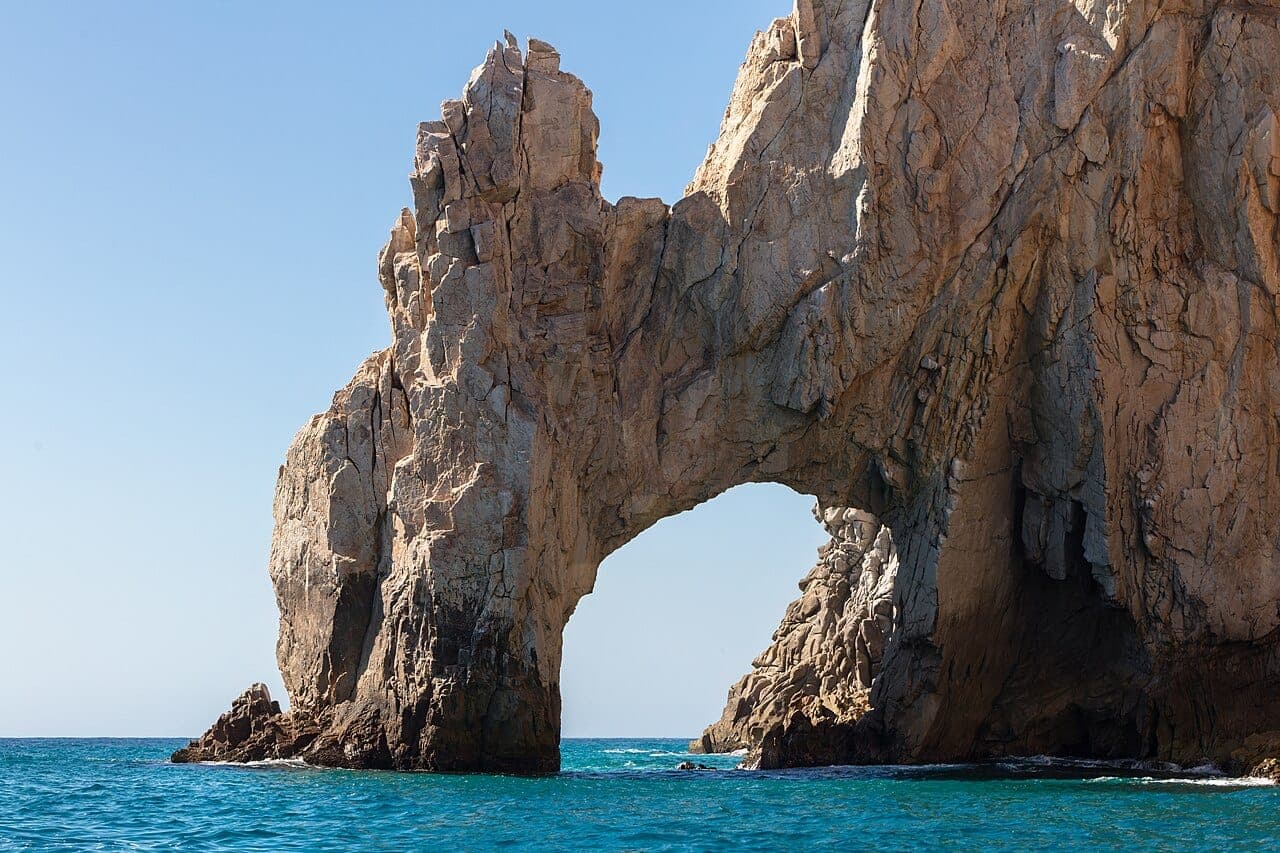
Cabo San Lucas
Where the desert meets the sea at Land's End — El Arco, sea lions, and world-class sportfishing.
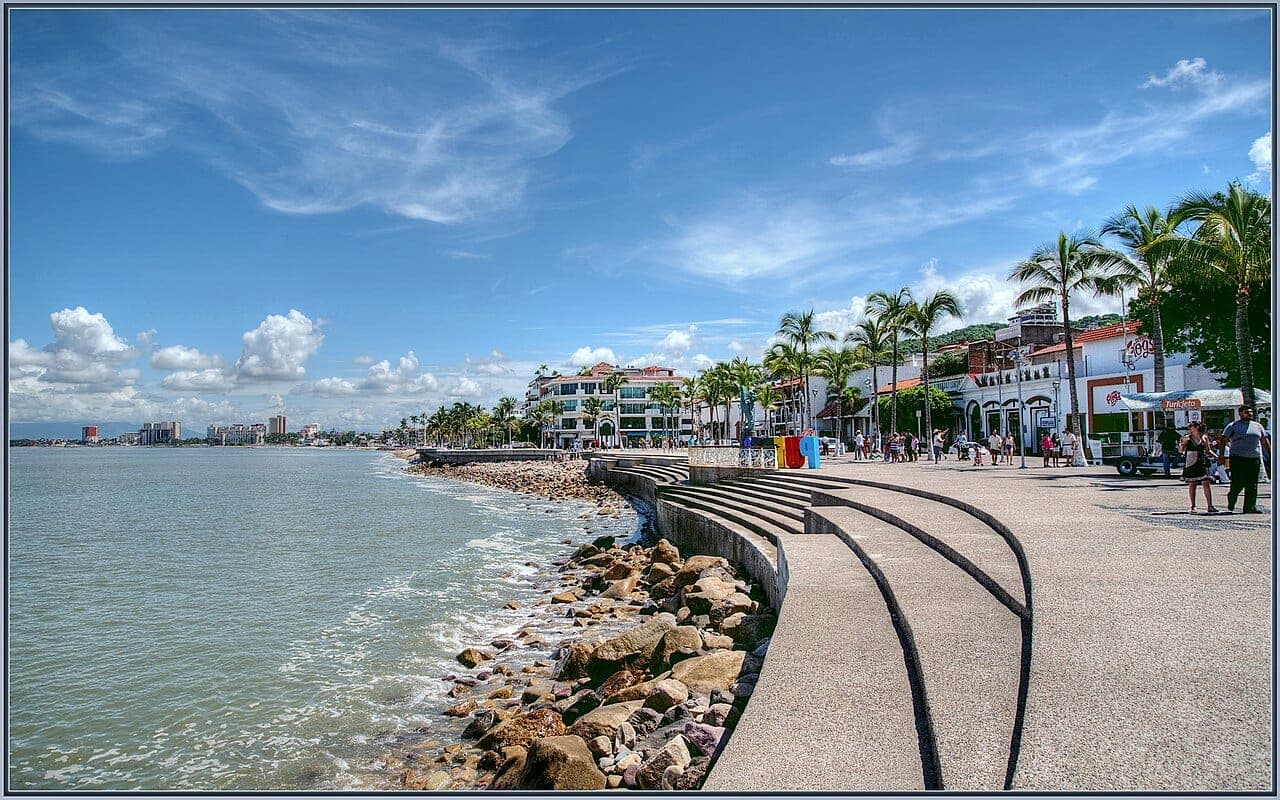
Puerto Vallarta
A cobblestone Old Town, a beachfront art walk, and jungle-covered mountains right behind the bay.
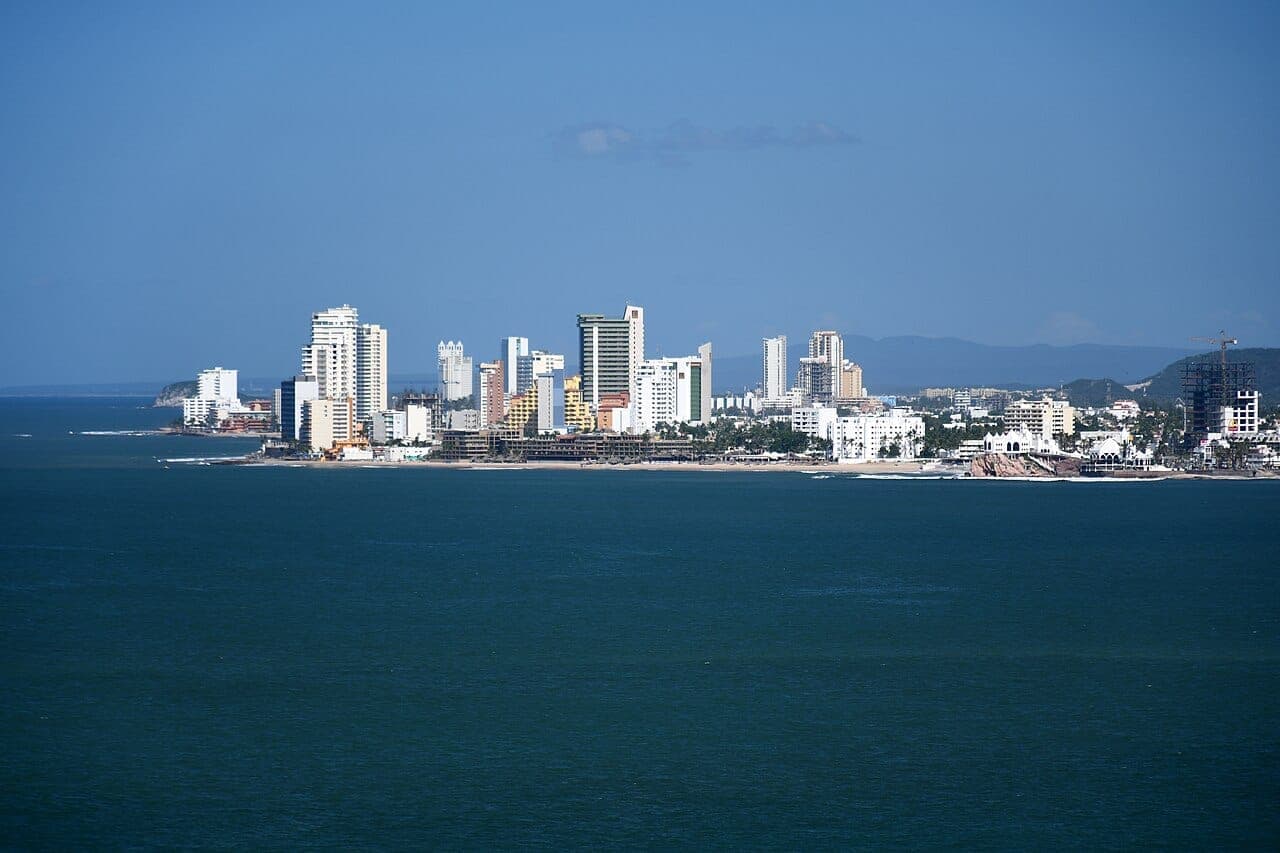
Mazatlán
One of the world's longest boardwalks, a colonial Old Town, and Mexico's shrimp capital.
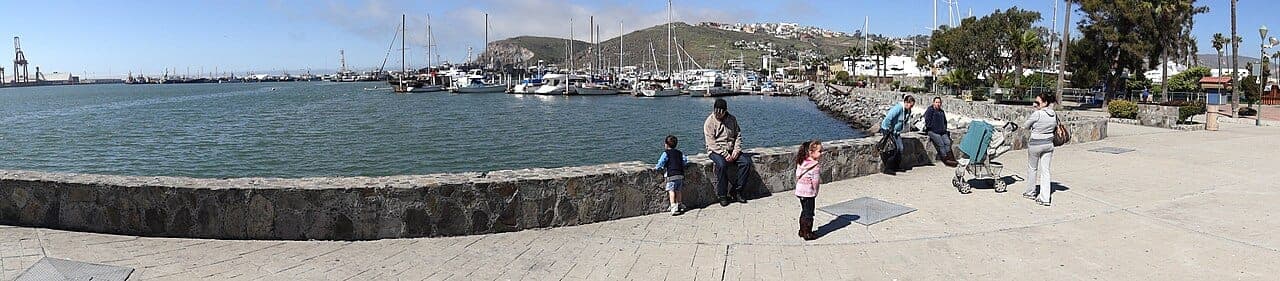
Ensenada
The birthplace of the fish taco, a natural blowhole, and Baja's booming wine country close behind.
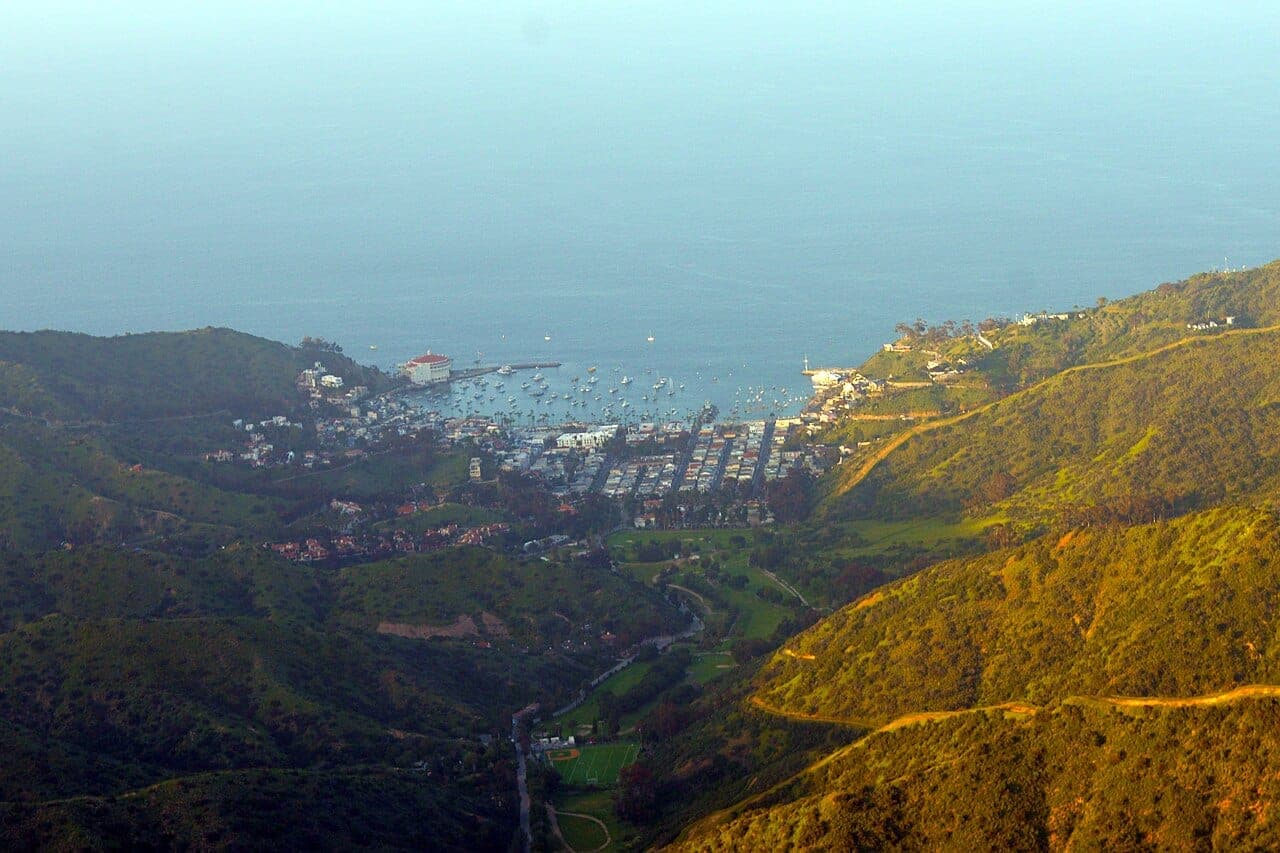
Catalina Island (Avalon)
A Mediterranean-style island getaway 22 miles off the California coast — no car needed, golf carts optional.
Ships that sail the Mexican Riviera
What's onboard, cabins, and video tours.
Mardi Gras
The world's first cruise ship with a roller coaster — and six immersive zones of fun
Carnival Celebration
Carnival's Miami flagship — the Fun Ship evolution with all the Excel class highlights
Discovery Princess
The West Coast's newest Princess flagship — built for Alaska, Mexico, and Pacific adventures
Carnival Panorama
Carnival's West Coast ship — Sun, fun, and Mexico from Long Beach.
Norwegian Joy
West Coast home, world-class ship — Joy delivers year-round.
Norwegian Star
NCL's original long-haul explorer — built for Iceland, the fjords, and itineraries most big ships never attempt.
Mexican Riviera cruise questions
Which Mexican Riviera port has the best beach?+
Medano Beach in Cabo San Lucas is the most convenient — a short walk from the tender dock — but Los Muertos Beach in Puerto Vallarta has a more local, less resort-heavy feel with its own pier and beachside dining. Both beat Ensenada's beaches, which are functional rather than a highlight of the port.
Do you need a passport for a Mexican Riviera cruise?+
Yes, effectively always. Unlike some closed-loop Caribbean itineraries, Mexican Riviera cruises are international sailings, and a valid passport (not just a birth certificate and photo ID) is the standard requirement most cruise lines enforce at check-in.
Is it safe to explore Mexican Riviera ports independently?+
In the tourist and cruise-port zones covered by our guides, yes — stick to the marina, Malecón, and old-town areas, use official taxi ranks or a reputable water-taxi operator, and be back well before all-aboard. As with any port, wandering well off the beaten path without local knowledge is where the risk profile changes.
How does the Mexican Riviera compare to the Caribbean for a first cruise?+
It's a strong, often overlooked alternative for West Coast cruisers specifically — no cross-country flight needed to reach the embarkation port, shorter sailing distances between stops, and a genuinely different desert-and-mountain scenery than any Caribbean island offers. The trade-off is fewer swim-up beach bars and a stronger emphasis on boat trips and old-town culture over pure beach time.