
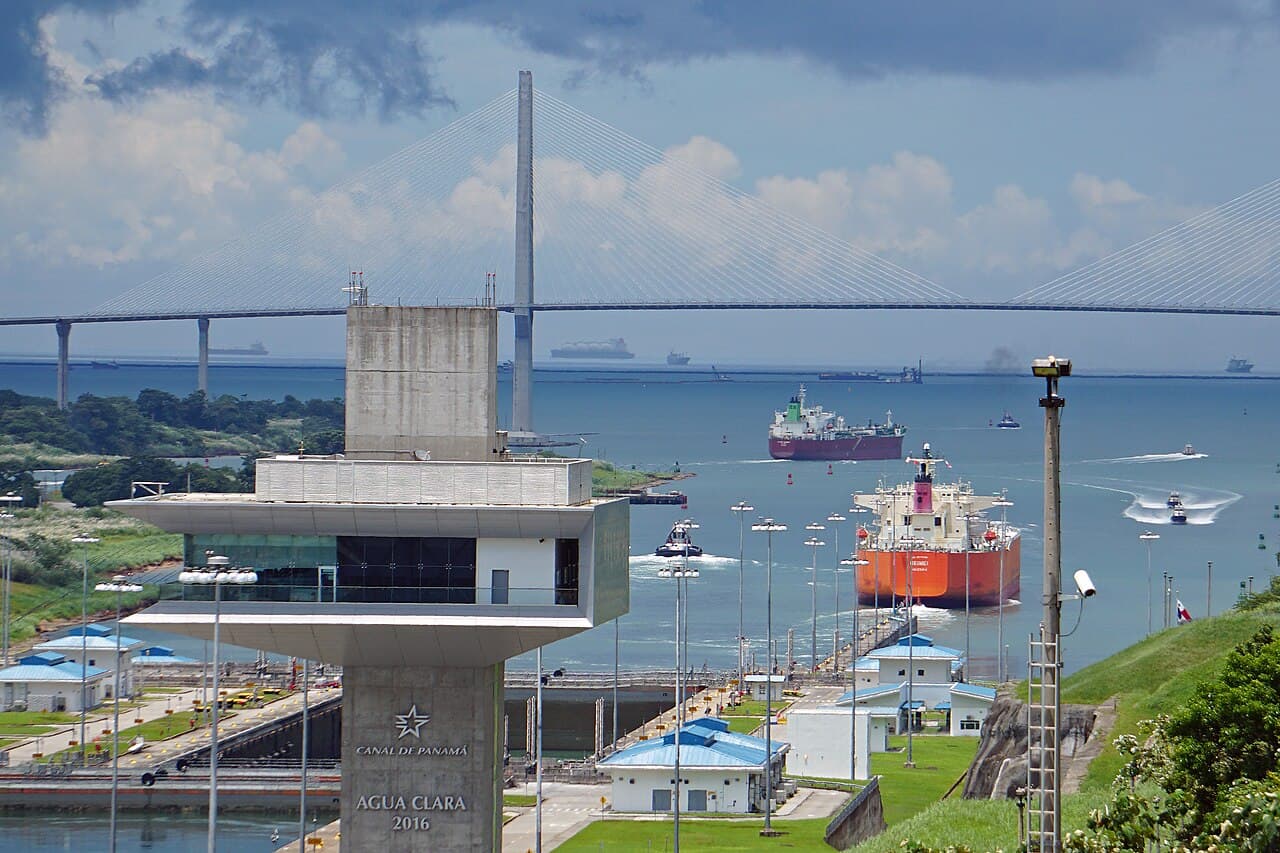
Panama Canal Cruises 2027
A bucket-list day at sea, built into a longer itinerary.
Photo: Mariordo (Mario Roberto Durán Ortiz), CC BY-SA 4.0
The Panama Canal is the only cruise destination where the main attraction is the ship itself passing through it. A full transit takes most of a day, as the ship is lifted up into Gatun Lake in a series of locks, crosses the lake, and is lowered back down on the other side. Most of the time you will be on deck watching.
That one day is why people choose this route, but it comes with a decision: do you do a full transit, which takes you from one ocean to the other, or a partial one, which goes part of the way and turns around? The two are very different trips with different lengths, and the sections below explain how to choose.
When to sail
- Best months
- December to April, the dry season, with the most reliable weather on deck.
- Shoulder season
- May and November. A mix of sun and showers, with smaller crowds.
- When to think twice
- The wet season runs roughly May to November, with frequent afternoon rain. The transit still goes ahead, but views and comfort on deck are better in the dry months.
When to book for 2027
Full transits are long and relatively few ships do them each year, mostly as repositioning cruises in spring and autumn, so the best cabins go early. Partial transits are easier to find. Water levels in Gatun Lake have occasionally limited transits in the past, so check how your line handles any change.
Check prices and dates with your cruise line or travel agent. We do not quote fares because they change daily.
Where Panama Canal cruises sail from
The homeport you choose often matters as much as the ship.
Fort Lauderdale and Miami
The Atlantic-side start for most full transits and for partial transits sold as Caribbean routes.
Los Angeles and San Francisco
The Pacific-side starting points for full transits going east.
Vancouver and Seattle
Longer Pacific-side routes that combine Alaska and the Canal in a single trip.
How Panama Canal cruises are shaped
The main route styles, and who each one suits.
Full transit, Atlantic to Pacific
10 to 16 nightsOcean to ocean across the Canal, usually between Florida and California.
Partial transit and Caribbean
10 to 14 nightsGoes through the first locks and into the lake before turning back, with Caribbean ports on the way.
Panama and Colombia
10 to 12 nightsCombines Cartagena, Colón and Costa Rica with the Canal.
Cruise lines that sail Panama Canal
Each line has its own style. See the fleet pages for their ships.
Departure port guides
Terminals, airports and parking for the ports these cruises sail from.
Ports to look for
What is near the pier, shore excursions vs DIY, and what to skip.
Colón (Panama Canal)
The Caribbean gateway to one of the great engineering feats on Earth — full transits, lock visits, and rainforest day trips.
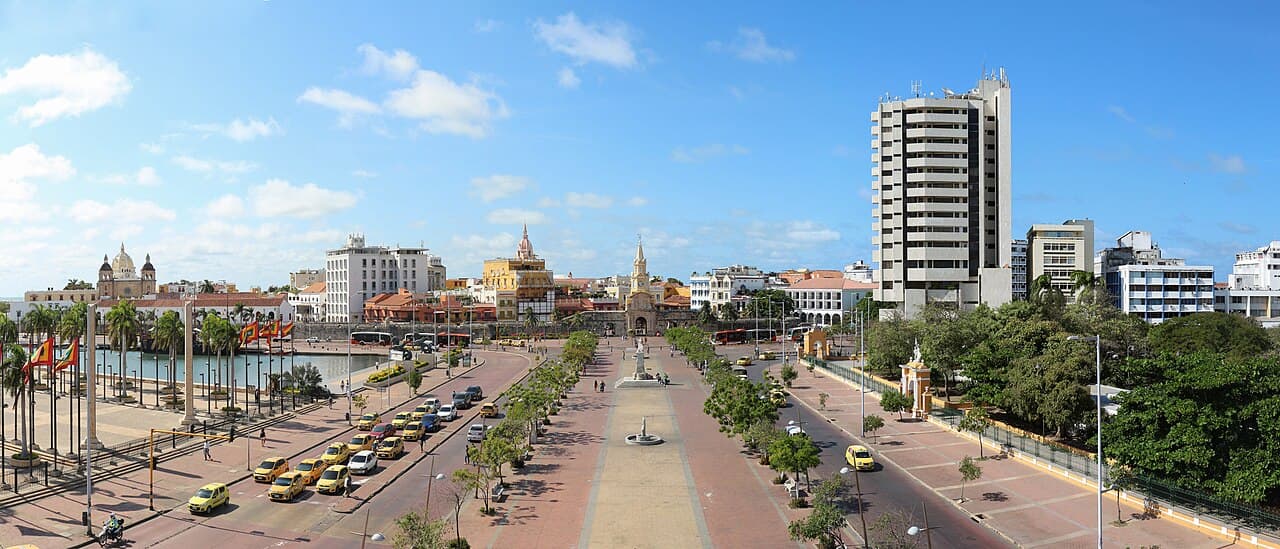
Cartagena
A UNESCO walled city of candy-coloured colonial houses, massive Spanish fortresses, and Caribbean warmth.
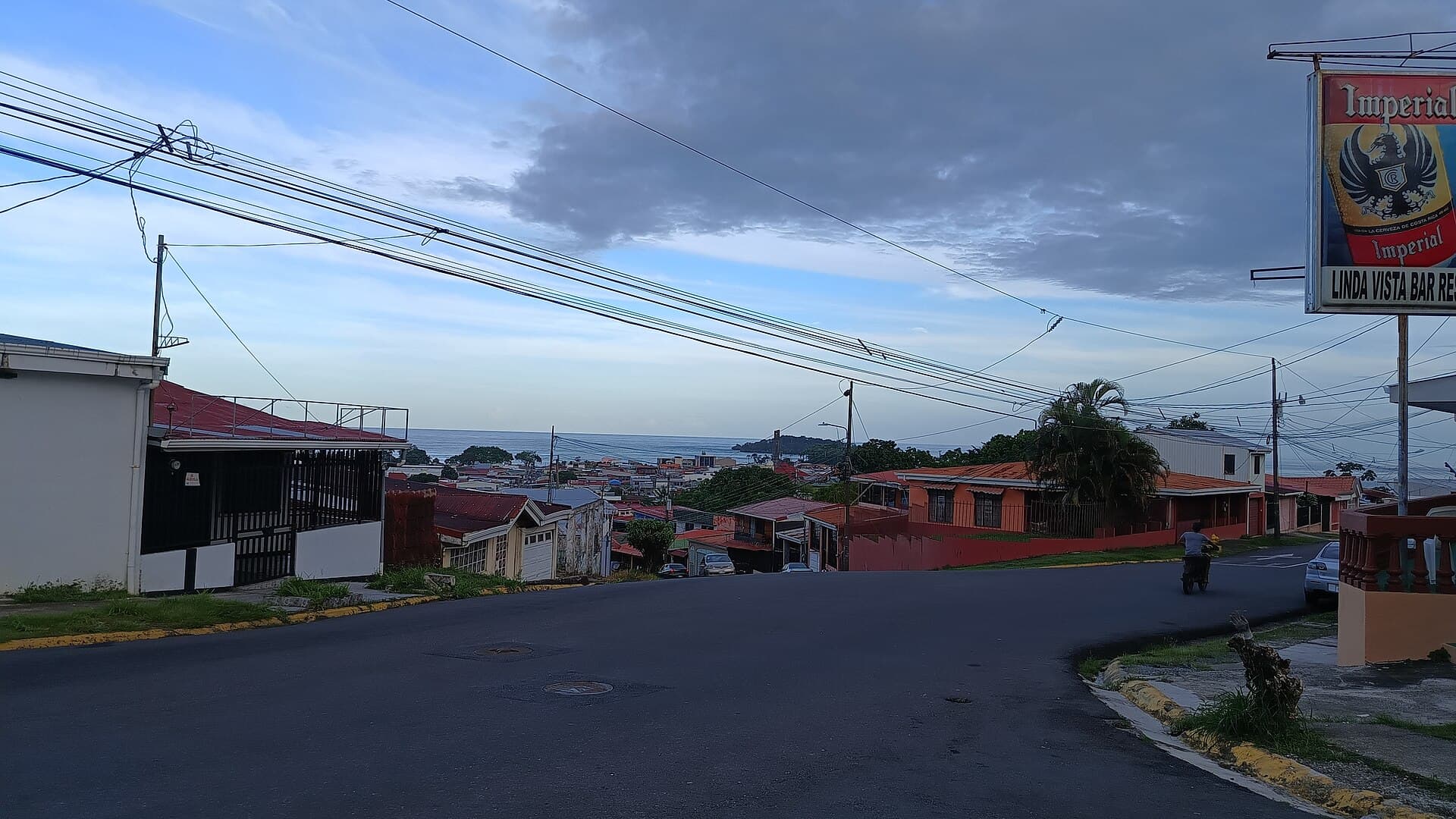
Puerto Limon
Costa Rica's Caribbean gateway for rainforest wildlife, Afro-Caribbean cuisine, and easy eco-adventure day trips.
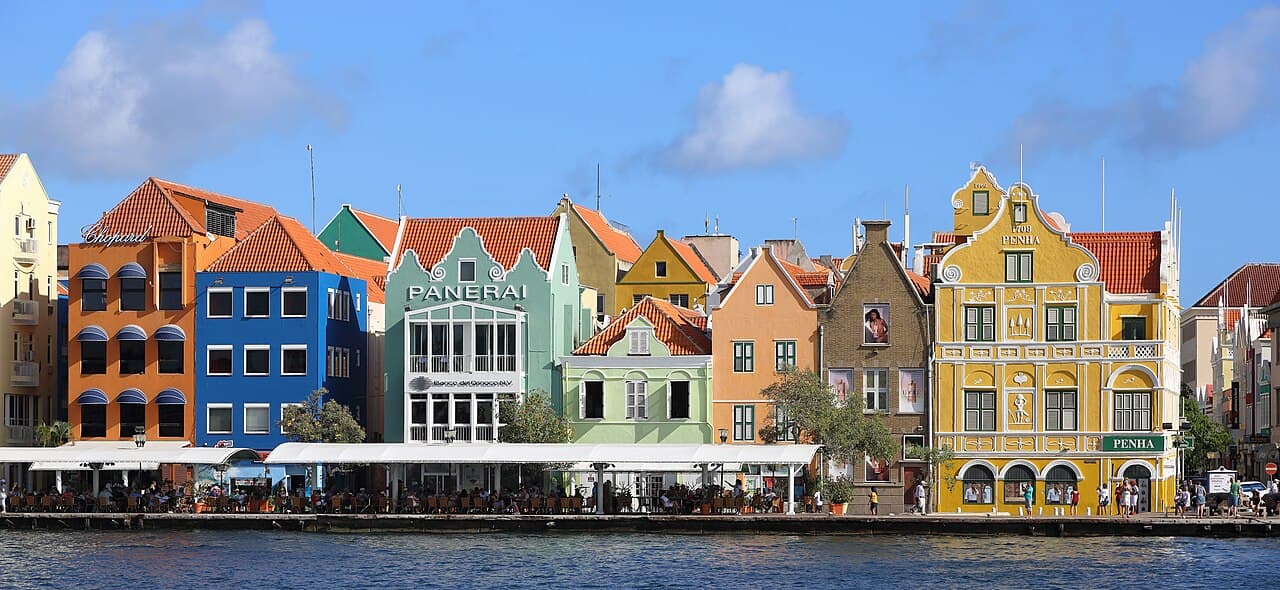
Curaçao (Willemstad)
The Caribbean's most colourful capital, world-class wreck diving, and Dutch colonial charm.
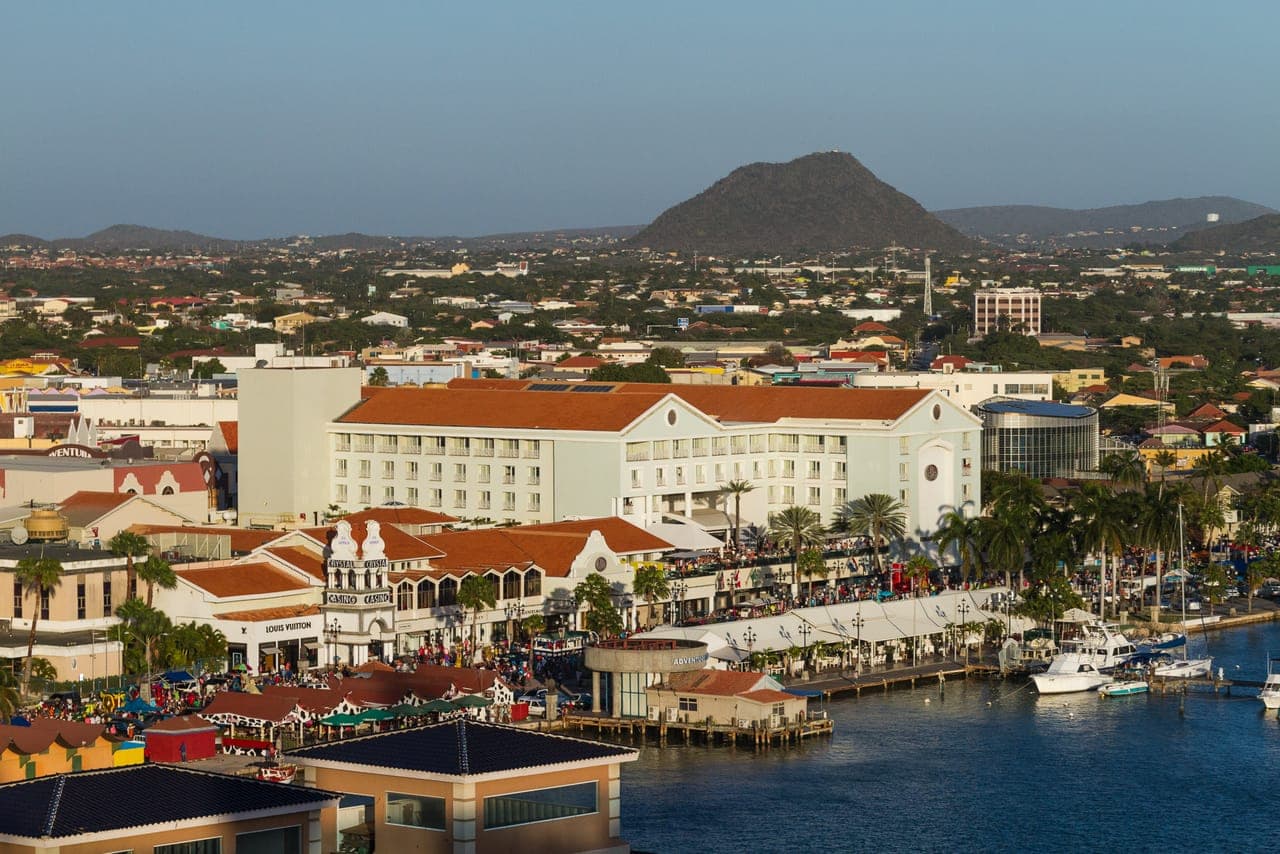
Aruba
Constant trade winds, powder-white beaches, and a sun that almost never stops shining.
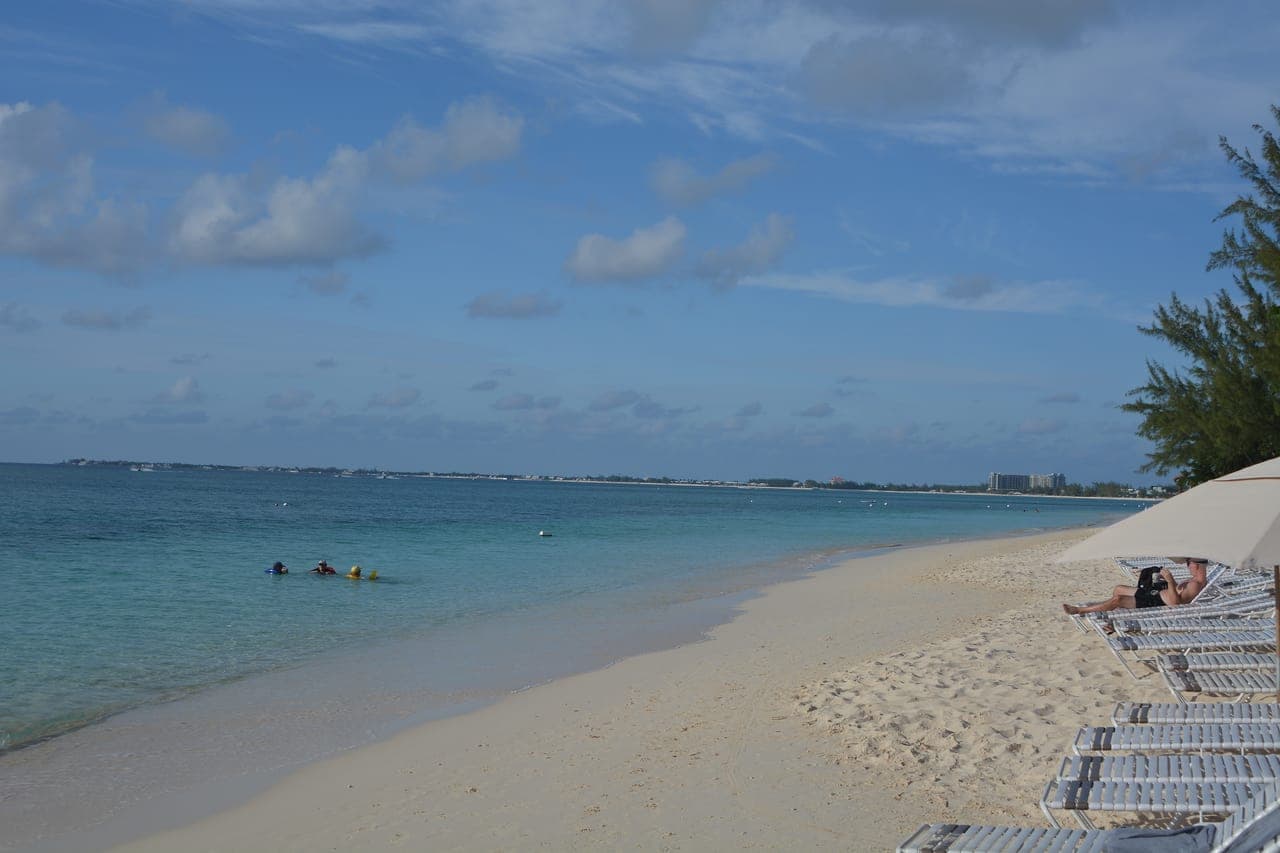
Grand Cayman
Stingray City, Seven Mile Beach, and the clearest water in the western Caribbean.
Ships that sail Panama Canal
A sample of ships that usually sail here, newest first. Deployments change each season, so confirm with your line.
Ruby Princess
A proven Princess classic with strong itinerary value and balanced onboard offerings.
Coral Princess
Purpose-built for the Panama Canal — Princess's most well-travelled small ship.
Serenade of the Seas
A Radiance-class sister with one of the most varied itinerary calendars at sea, world cruise included.
Celebrity Constellation
A classic Celebrity Millennium-class ship with a premium feel and destination-led itineraries.
Panama Canal cruise questions
How long does a Panama Canal transit take?+
A full transit takes about 8 to 10 hours of the day, starting early in the morning. You will see the ship rise through a series of locks, cross Gatun Lake, and lower down again on the far side.
What is the difference between a full and a partial transit?+
A full transit takes you from the Atlantic to the Pacific or the reverse, and ends in a different ocean. A partial transit enters the Canal from one side, goes through the first locks into the lake, and returns the way it came. A partial transit is shorter and the cheaper option, but it is not a crossing.
Is a Panama Canal cruise worth it?+
If the transit itself is the reason you are going, yes. It is memorable and unlike anything else in cruising. If you are mainly looking for beach days or ports, the surrounding route matters more, so check what else the itinerary includes.